174 At-Risk Afghans Arrive in Germany Amidst Shifting Immigration Policies
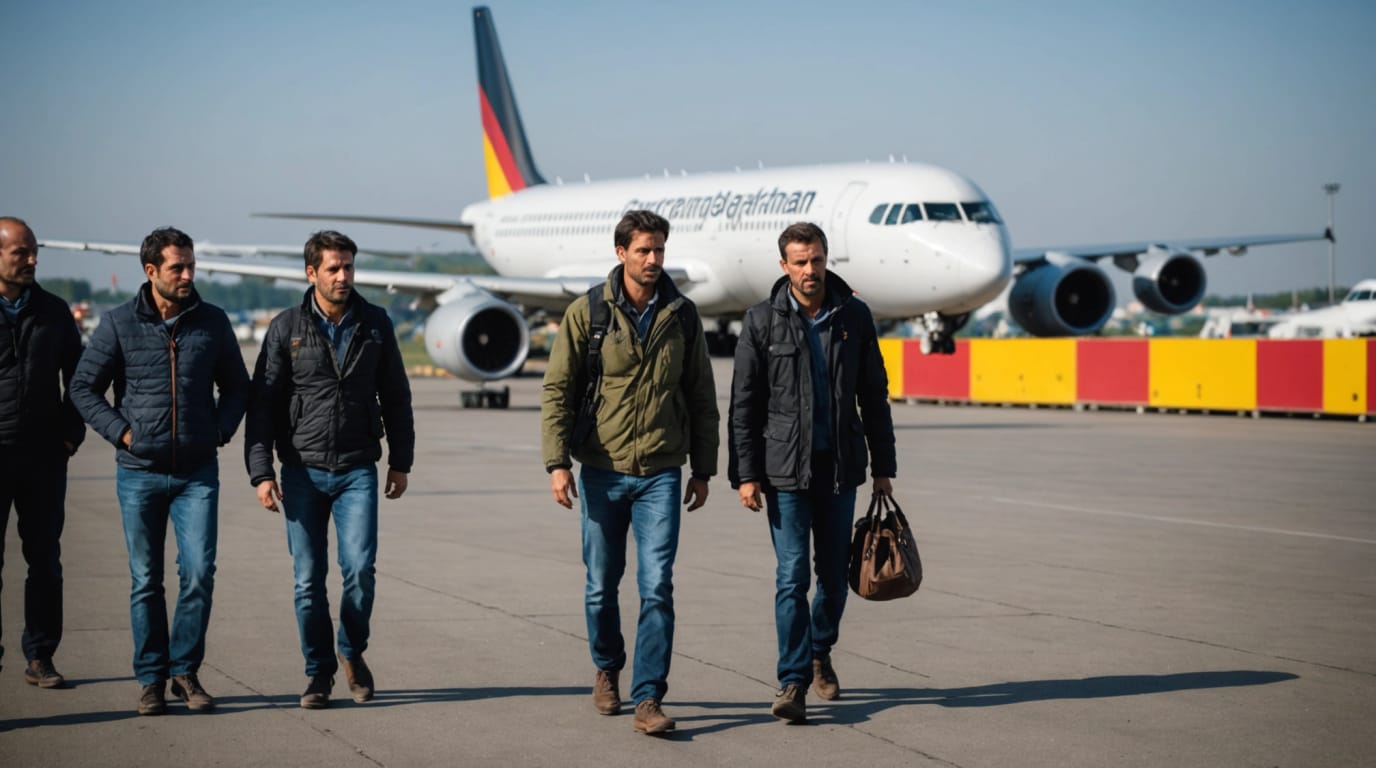
Hannover, Germany – A group of 174 at-risk Afghans landed at Hannover Airport this week, seeking refuge in Germany as the country grapples with evolving immigration policies and rising anti-immigrant sentiment. The arrival highlights Germany's ongoing commitment to assisting vulnerable Afghans while also underscoring the challenges and complexities of integrating refugees into German society.
Germany's Federal Admission Programme
The recent arrival is connected to Germany's Federal Admission Programme (FAP) for Afghanistan, launched in October 2022 in response to the Taliban's takeover of Kabul in August 2021. The program aims to provide a safe haven for particularly vulnerable Afghans and their families, including those who worked with German institutions, human rights activists, women's rights advocates, and members of the LGBTQI community.
Germany's involvement in Afghanistan dates back to 2001 with the International Security Assistance Force (ISAF) mission. Over the years, Germany has invested billions of euros in military deployment and reconstruction efforts. Following the Taliban's resurgence, the German government faced pressure to assist Afghans who were at risk due to their association with Western organizations or their commitment to a democratic Afghanistan.
As of April 2024, over 33,200 people have entered Germany through the FAP and related initiatives. This number includes more than 20,300 local employees and their family members, as well as over 12,900 other particularly vulnerable Afghans and their families. The FAP involves close collaboration with civil society organizations (CSOs) in both policymaking and implementation, a distinctive feature within the German context. CSOs play a vital role in identifying and supporting eligible individuals, providing crucial knowledge and resources.
Challenges and Uncertainties
Despite Germany's efforts to provide refuge, the future of the FAP remains uncertain due to budget negotiations and shifting political priorities. There are concerns that the program may face discontinuation due to significant cuts in the federal budget.
Moreover, the integration process for Afghan refugees in Germany is not without its challenges. Many face difficulties in learning the German language, securing stable housing, and obtaining secure residency permits. Discrimination and negative experiences can also hinder their sense of belonging and welcome.
A survey conducted between November 2023 and April 2024 revealed that while many Afghans feel welcome in Germany and develop strong connections to their new country, they also experience discrimination and believe that German politics does not sufficiently address the concerns of the Afghan community.
Rising Anti-Immigration Sentiment
The arrival of the 174 Afghans also comes at a time of rising anti-immigration sentiment in Germany. Fueled by a series of violent attacks allegedly involving asylum seekers, including Afghan nationals, public calls for tighter immigration controls have grown louder.
In January, an Afghan man was arrested after a fatal knife attack on a kindergarten group. Another Afghan suspect was accused of driving a car into a rally in Munich last month, resulting in the deaths of a mother and her two-year-old daughter. These incidents have intensified the debate surrounding immigration policies and the integration of refugees.
The Alternative for Germany (AfD), a far-right party, has gained record support amid the rising anti-immigration sentiment. The party advocates for stricter border controls and the deportation of criminal migrants.
Shifting Political Landscape
The political landscape in Germany is also shifting, with the likely next government, led by conservative leader Friedrich Merz, set to enforce stricter immigration policies. Merz has announced plans to halt voluntary admission programs for Afghan refugees and accelerate deportations.
"We will end voluntary admission programs, for example from Afghanistan, and will not launch any new ones," Merz stated during a press conference.
These policy changes signal a grim reality for many Afghans who had hoped to find safety in Germany. Thousands, particularly those who worked with Western governments, have been waiting for relocation under humanitarian programs, many of them in Pakistan. With Merz's expected policy changes, these pathways may soon close.
Germany has already resumed deportations of Afghan migrants with criminal records, despite concerns about their safety under Taliban rule. Merz has pledged to continue and even accelerate these deportations, prioritizing the security interests of Germany over the protection claims of criminals and individuals endangering national security.
A Complex Situation
The situation for Afghan refugees in Germany is complex and multifaceted. While the country has provided refuge to thousands of vulnerable Afghans through programs like the FAP, challenges remain in terms of integration, rising anti-immigration sentiment, and shifting political priorities.
The arrival of the 174 at-risk Afghans at Hannover Airport underscores the ongoing need for international cooperation and humanitarian assistance for those fleeing conflict and persecution. However, it also highlights the need for comprehensive integration strategies and open dialogue to address the concerns of both refugees and host communities.
As Germany navigates its evolving immigration policies, the fate of Afghan refugees seeking safety and a new life in the country hangs in the balance. The coming months will be crucial in determining the future of the FAP and the overall approach to integrating Afghan refugees into German society.