A Spreading Scourge: How Conflicts in Congo, Sudan, and Yemen Fuel a Global Health Crisis

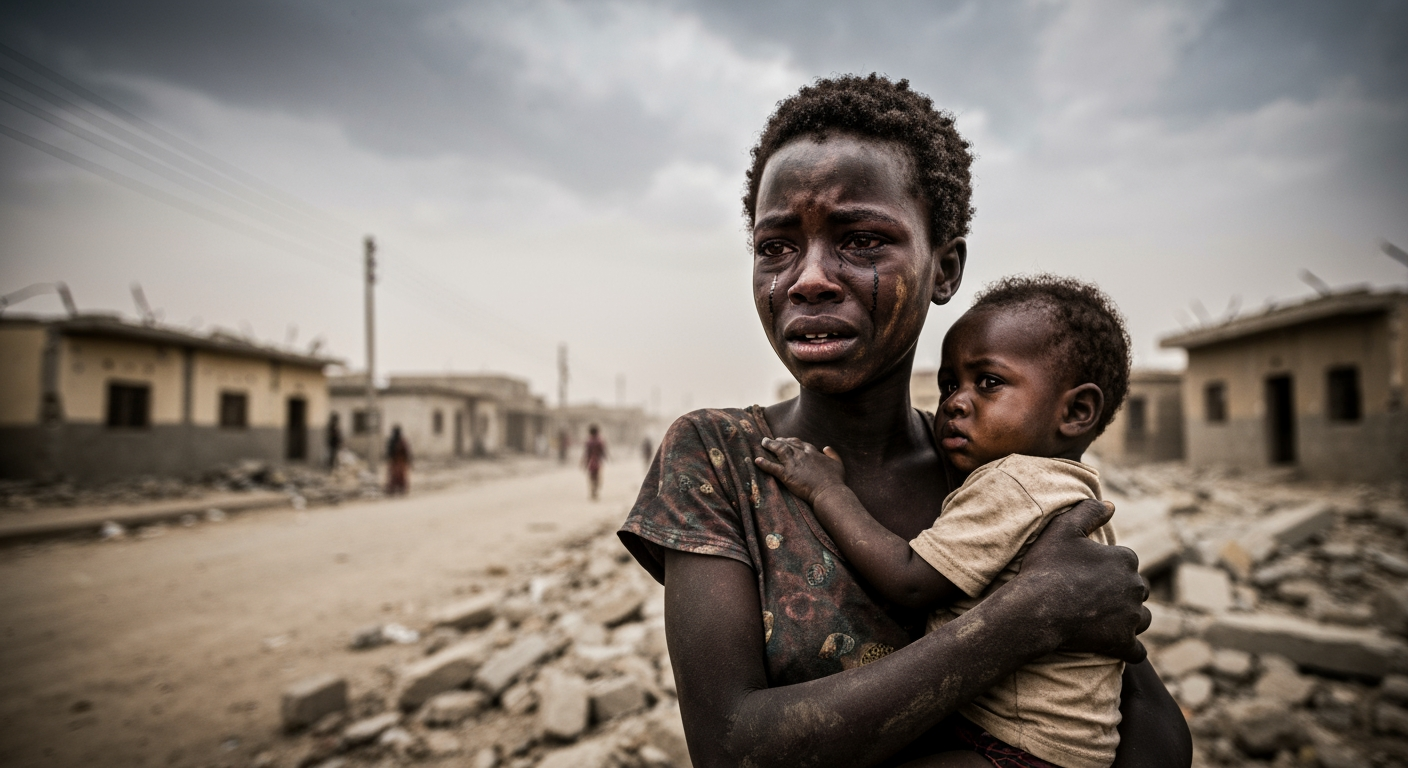
Geneva, Switzerland – Ongoing conflicts in the Democratic Republic of Congo (DRC), Sudan, and Yemen are precipitating a catastrophic collapse in public health, transforming these war-torn nations into breeding grounds for preventable diseases. Millions are caught in a vicious cycle where violence destroys vital infrastructure, forces mass displacement, and cripples healthcare systems, leading to widespread outbreaks of cholera, measles, diphtheria, and other infectious illnesses. This escalating humanitarian crisis not only devastates local populations but also poses significant risks to global health security as diseases cross borders.
The Devastating Triad: Conflict, Displacement, and Disease
The nexus between armed conflict, forced displacement, and disease outbreaks is a grim reality across the DRC, Sudan, and Yemen. In these regions, protracted violence directly impacts civilian health by disrupting essential services and creating environments highly conducive to pathogen transmission. Globally, 65% of acutely food-insecure individuals reside in conflict zones, highlighting a critical link between conflict and deteriorating health outcomes. By mid-2025, an estimated 122.1 million people were forcibly displaced globally, with active conflicts continuing to increase, including in these nations.
Displacement often forces populations into overcrowded and unsanitary conditions, such as camps, where access to clean water, sanitation, and healthcare is severely limited. These conditions are ideal for the rapid spread of infectious diseases. The destruction of water and sanitation infrastructure directly facilitates diarrheal disease outbreaks like cholera. Furthermore, disrupted vaccination programs and supply chains weaken prevention efforts, while malnutrition compromises immunity, making affected populations more vulnerable to illness.
Sudan's Deepening Health Catastrophe
Sudan's three-year civil war has plunged the nation into the world's largest humanitarian crisis, with 34 million people requiring aid and 21 million lacking essential health services as of April 2026. The conflict, which began in April 2023, has systematically dismantled the country's healthcare infrastructure. An estimated 80% of health facilities in conflict-affected regions are no longer operational, and across Sudan's 18 states, 37% of facilities remain non-functional. Hospitals and clinics have been targeted, with 217 attacks on healthcare verified by the WHO since April 2023, resulting in 2052 deaths and 810 injuries.
This systemic collapse has triggered widespread disease outbreaks. Cholera, measles, dengue fever, malaria, polio (cVDPV2), hepatitis E, meningitis, and diphtheria have been reported across numerous states. The country experienced a major cholera outbreak last year, resulting in over 80,000 suspected cases and more than 2,000 associated deaths. The fighting has also severely impacted efforts to combat HIV and tuberculosis. Malnutrition is rampant, with over 4 million people estimated to be acutely malnourished in 2026, exacerbating susceptibility to infections. The fatality rate associated with severe acute malnutrition doubled from approximately 6% to 12% by March 2024. Compounding the crisis, measles vaccination coverage plummeted from 75% in 2022 to 57% in 2023, leaving an estimated 701,000 children vulnerable.
Yemen's Catastrophe: Cholera, Diphtheria, and Polio's Resurgence
In Yemen, a decade of conflict has created what the UN describes as one of the world's worst humanitarian crises, characterized by a "cycle of death, disease, and deprivation". More than 18 million people face severe hunger, and 2.2 million children under five are acutely malnourished. The healthcare system is on the verge of collapse, with two in five health facilities not fully functional, leaving over 19 million people in need of healthcare.
The destruction of critical infrastructure, including power and water systems, has directly led to an unprecedented health emergency. Yemen has endured the world's largest cholera outbreak, with Médecins Sans Frontières treating 65,600 people for the disease in 2024 alone, a 400-fold increase from 2021. The outbreak has become endemic, fueled by a lack of safe water and sanitation. The country has also seen a resurgence of other vaccine-preventable diseases. Measles cases increased by 470% from 2022 to 2024, and Yemen reported the highest number of measles cases globally in the latter half of 2025. Diphtheria, a disease largely eradicated elsewhere, has re-emerged with 380 suspected cases reported in 2024 and 110 confirmed cases and 63 deaths in 2025. Polio, too, has resurfaced, with 187 cases of variant poliovirus reported in 2024, the highest worldwide, largely due to low vaccination coverage.
Democratic Republic of Congo: Persistent Threats Amidst Instability
The Democratic Republic of Congo (DRC) has a long and tragic history of infectious disease epidemics, a situation significantly exacerbated by persistent conflict and socio-political instability. The country is prone to recurrent outbreaks of cholera, measles, yellow fever, mpox, and Ebola Virus Disease (EVD). As of July 2026, the DRC was battling its 17th Ebola outbreak, which became the third-largest on record and was spreading faster than any previous one in its initial stages. Active armed conflict in eastern DRC's restive regions, such as Ituri province, continues to hamper containment efforts, with more than 80% of new infections detected outside known contact lists.
The conflict in eastern DRC, particularly the escalation of fighting since January 2025, has led to mass casualties and displacement, further limiting access to healthcare, food, and basic necessities. Ebola outbreaks are particularly challenging to manage amidst ongoing violence and widespread distrust in health systems, which can deter people from seeking timely treatment. Beyond Ebola, the DRC faces chronic public health challenges, including malaria, which accounts for 12% of global cases and 11% of deaths, and frequent cholera outbreaks due to less than 25% of the population having access to clean water. An mpox outbreak in 2024 affected all provinces, with a mutated strain causing uninterrupted human-to-human transmission.
Underlying Factors: Malnutrition and Collapsed Healthcare
The surge in disease across these conflict zones is inextricably linked to two overarching factors: widespread malnutrition and the systematic collapse of healthcare infrastructure. Malnutrition significantly compromises the immune system, rendering individuals, especially children, more susceptible to infectious diseases such as cholera, pneumonia, and measles. In Sudan, nearly 4 million children under five were acutely malnourished as of April 2025. In Yemen, over 2 million children under five are acutely malnourished. This "conflict nutrition paradox" creates a biological trap where acute malnutrition and chronic diseases coexist and amplify one another.
The deliberate or incidental destruction of health facilities, along with attacks on healthcare workers and patients, is a stark violation of international law and a primary driver of disease spread. In Sudan, over 70% of hospitals have been destroyed. When health systems are crippled, essential services like routine vaccinations, maternal and child health care, and disease surveillance cease to function effectively. This disruption creates conditions ripe for outbreaks of vaccine-preventable diseases like measles, diphtheria, and polio, which have become prevalent in all three regions. The lack of safe spaces for health workers, coupled with shortages of medicines and supplies, further undermines any efforts to contain outbreaks.
A Call for Urgent Action
The dire public health situations in the Democratic Republic of Congo, Sudan, and Yemen represent more than isolated crises; they are interconnected humanitarian catastrophes with far-reaching implications. Millions are enduring unimaginable suffering, facing a dual burden of violence and disease that could largely be prevented. Addressing this requires a multi-faceted approach, including immediate and sustained humanitarian aid, improved water, sanitation, and hygiene (WASH) conditions, targeted vaccination campaigns, and the strengthening of healthcare infrastructure. Ultimately, however, the most effective medicine remains peace. Without an end to these conflicts, the cycle of destruction, displacement, malnutrition, and disease will continue to claim lives and threaten regional and global health security. The international community faces an urgent imperative to act decisively to protect civilian lives and restore fundamental health services in these embattled nations.
Related Articles


Debunking the Myth: Statins Do Not Cause Dementia, Extensive Research Confirms
A persistent myth linking statin medications to an increased risk of dementia or significant cognitive decline continues to circulate, often fueled by social media and anecdotal reports. However, decades of rigorous...

New Drug Daraxonrasib Offers Unprecedented Hope, Extending Lives for Advanced Pancreatic Cancer Patients
A significant breakthrough in the relentless fight against pancreatic cancer has emerged with the introduction of daraxonrasib, a new oral medication that has demonstrated the ability to nearly double the survival time...