Activist Sonam Wangchuk Ends 26-Day Hunger Strike After Ministerial Intervention
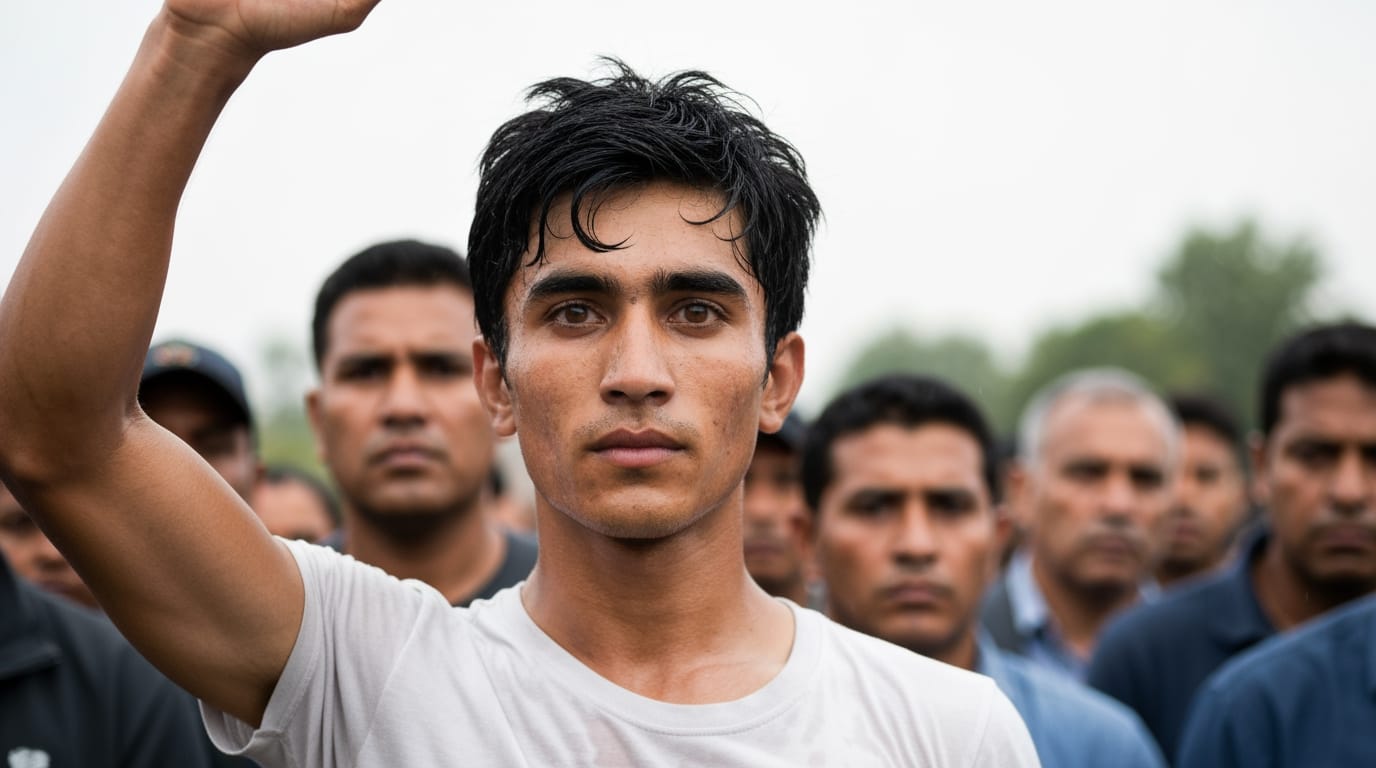
NEW DELHI, India – Renowned Indian engineer, innovator, and climate activist Sonam Wangchuk concluded his 26-day indefinite hunger strike on Friday, July 23, 2026, following a high-level meeting with Union Health Minister JP Nadda and Union Minister of State in the Prime Minister's Office Dr. Jitendra Singh. The strike, primarily in solidarity with students protesting alleged irregularities in competitive examinations, saw Wangchuk moved to Medanta Hospital in Gurugram as his health deteriorated. The conclusion of his fast comes amidst a broader backdrop of his long-standing advocacy for constitutional safeguards and statehood for the ecologically fragile region of Ladakh.
The Immediate Catalyst: Examination Irregularities and Student Protests
Wangchuk initiated his latest hunger strike on June 28, joining student-led protests at Jantar Mantar in Delhi, demanding accountability for alleged irregularities in national competitive examinations, including the National Eligibility cum Entrance Test (NEET) 2026. His participation lent significant weight to the youth movement, drawing national attention to concerns over the integrity of the examination system. Wangchuk had previously indicated that he would withdraw his fast if either reforms in the education system or the restoration of democratic and cultural protections in Ladakh were addressed.
As the strike progressed, Wangchuk's health declined, leading to his forceful removal from the protest site on the 21st day by Delhi Police and subsequent hospitalization. The Delhi High Court upheld the police's action, citing medical necessity. The culmination of his fast came after Prime Minister Narendra Modi publicly announced his government's commitment to enacting stringent laws against those found guilty of examination malpractices, alongside expressing solidarity with affected students. Union Ministers Nadda and Singh met Wangchuk at Medanta Hospital, where he was receiving medical observation, marking the official end of his protest. Visuals released showed Wangchuk, supported by the ministers, taking sips from a cup, with his wife, Gitanjali Angmo, also present.
A Decades-Long Fight for Ladakh's Future
While the immediate focus of his recent fast was education reform, Sonam Wangchuk is widely recognized as the principal voice advocating for constitutional protections and autonomy for Ladakh. His activism for Ladakh gained renewed urgency after the abrogation of Article 370 in August 2019, which led to the bifurcation of the erstwhile state of Jammu and Kashmir into two Union Territories, with Ladakh losing its special status and becoming a Union Territory without a legislature. This move, initially welcomed by some in Ladakh for granting a separate identity from Jammu and Kashmir, soon led to widespread apprehension over the region's future.
Central to Wangchuk's demands for Ladakh are the inclusion of the region under the Sixth Schedule of the Indian Constitution and the granting of statehood. The Sixth Schedule provides tribal communities in specific Indian states with significant autonomy over their land, resources, and cultural identity through the creation of Autonomous District Councils. Wangchuk and other Ladakhi representatives argue that such a provision is crucial to protect the region's unique tribal culture, its fragile Himalayan ecosystem, and the livelihoods of its indigenous population from unchecked industrialization and commercial exploitation. They emphasize the importance of local control over decision-making to safeguard against the climate crisis threatening the "third pole" of the planet.
Wangchuk's current fast is part of a series of protests he has undertaken for Ladakh. In March 2024, he embarked on a 21-day "climate fast" in Leh, demanding these constitutional safeguards, drawing attention to how mining and commercial interests endangered the region's ecology. He reiterated that the ruling Bharatiya Janata Party (BJP) had promised Sixth Schedule status in 2019, a promise that remains unfulfilled. Later that year, in September 2024, Wangchuk led Ladakhi volunteers on a march to New Delhi, undertaking a 16-day hunger strike to press the government to resume discussions on their demands. In September 2025, he initiated a five-week fast-unto-death in Leh, which was tragically cut short after two weeks following violent clashes between youth groups and police, resulting in four fatalities. During this period, Wangchuk himself was temporarily detained under the National Security Act (NSA), a charge that was later revoked in March 2026.
The Innovator Behind the Activist
Sonam Wangchuk's prominence extends far beyond his activism. An engineer by training, he first gained international recognition for his innovative work in educational reform in his native Ladakh. He is widely credited with inspiring the character Phunsukh Wangdu in the blockbuster Hindi film "3 Idiots," a portrayal that brought his unique educational philosophies to a global audience. In 2018, he was honored with the prestigious Ramon Magsaysay Award for his "uniquely systematic, collaborative and community-driven reform of learning systems in remote northern India."
His projects, such as the Ice Stupa artificial glaciers designed to address water scarcity in the arid high-altitude desert, underscore his dedication to sustainable solutions and environmental protection. This blend of scientific expertise, educational leadership, and a deep commitment to his homeland gives his voice a powerful resonance, amplifying the concerns of the Ladakhi people and making him a formidable advocate. His past experiences, including detentions, have only seemed to harden his resolve, turning him into a persistent figure in India's socio-political landscape.
What Lies Ahead?
The end of Sonam Wangchuk's latest hunger strike, facilitated by direct engagement with Union Ministers, marks a significant development. While the immediate trigger for this particular fast – the examination irregularities – appears to have received a commitment for action from the Prime Minister, the broader, more complex demands concerning Ladakh's constitutional status remain a critical, unresolved issue.
The meeting with ministers could signal a renewed willingness from the central government to engage more substantively with Wangchuk and other Ladakhi stakeholders. However, Wangchuk himself has emphasized the need for "open-minded and sincere" negotiations, stressing that the demands for statehood and Sixth Schedule safeguards are based on legitimate constitutional rights. He has called for a "middle path" and a "win-win approach" in future talks, hinting at a potential for flexibility from Ladakhi representatives if meaningful dialogue is pursued.
The cessation of the hunger strike may bring temporary relief and a pause in public protest, but it does not diminish the underlying concerns that fuel Wangchuk's activism. His persistent efforts highlight the ongoing struggle for tribal autonomy, environmental preservation, and democratic representation in Ladakh, issues that will undoubtedly continue to shape the region's political discourse and remain a subject of close observation.