Adapting Our Homes: The Urgent Need for Heat-Resistant Design in a Warming World
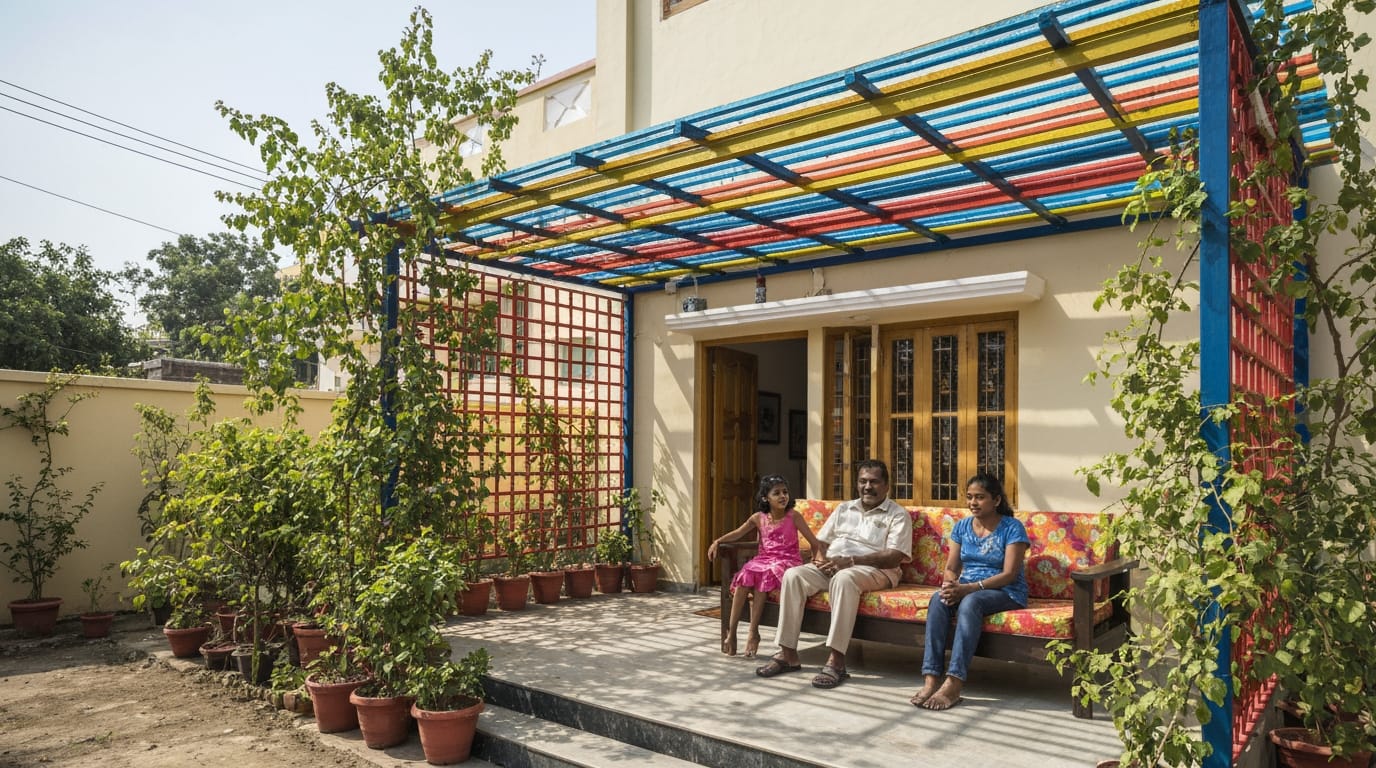
As global temperatures continue their relentless ascent, the integrity and liveability of our homes face an unprecedented challenge. Record-breaking heatwaves are becoming more frequent and intense, transforming what were once comfortable dwellings into potential health hazards and driving up energy consumption to unsustainable levels. The past decade alone has seen the ten warmest years since 1850, with approximately 65 million people impacted by extreme heat last year, signaling an urgent need for a fundamental shift in how we design, construct, and retrofit our residential spaces to withstand a hotter climate.
The Rising Thermal Threat: Beyond Discomfort to Danger
The increasing frequency and duration of heatwaves pose significant risks to human health, energy infrastructure, and economic stability. Cities, in particular, are grappling with the "urban heat island" (UHI) effect, where dense concentrations of heat-absorbing materials like concrete and asphalt, coupled with a lack of green spaces, cause urban areas to be significantly hotter than surrounding rural environments. This phenomenon exacerbates temperatures, strains power grids as air conditioning demand surges, and disproportionately impacts vulnerable populations in underserved neighborhoods often lacking adequate tree cover and infrastructure. The Centers for Disease Control and Prevention (CDC) estimates a notable rate of heat-related deaths in large central metro areas, underscoring the severity of this issue.
Traditional home designs, often optimized for colder climates, are proving ill-equipped to handle prolonged periods of extreme heat. This vulnerability not only diminishes comfort but also elevates the risk of heat-related illnesses and deaths, particularly when power outages occur during peak heat events. Adapting our homes is no longer a luxury but a critical necessity for public health and environmental resilience.
Embracing Passive Cooling: Nature's Blueprint for Resilience
At the forefront of heat-resistant housing are passive cooling strategies, which leverage natural processes to maintain comfortable indoor temperatures without heavy reliance on mechanical systems. These principles, rooted in centuries-old building traditions, are being re-embraced with modern sophistication.
Key elements of passive cooling include:
- Optimal Orientation and Shading: Strategically positioning a home along a north-south axis minimizes exposure to direct sunlight, especially on east and west facades which receive the most intense solar gain. Extending roof overhangs, eaves, awnings, shutters, and planting deciduous trees strategically can block sunlight during the hottest parts of the day while allowing winter sun to penetrate.
- Natural Ventilation: Designing for cross-ventilation, where air flows freely from one side of the house to the other, helps to flush out hot air and promote circulation. High ceilings, open floor plans, and strategically placed windows and vents (including those in attics and roofs) facilitate the "stack effect," allowing hot air to rise and escape, drawing in cooler air from below.
- Thermal Mass: Materials with high thermal mass, such as concrete slabs or adobe bricks, can absorb heat during the day and slowly release it at night, helping to stabilize indoor temperatures. This effect can be particularly beneficial in climates with significant diurnal temperature swings.
These passive approaches not only enhance comfort but also significantly reduce energy consumption and associated utility costs, promoting both environmental and economic sustainability.
The Role of Advanced Materials and High-Performance Envelopes
Beyond passive design, the choice of building materials and the integrity of the building envelope are crucial for heat resistance. A high-performance building envelope acts as a barrier against external heat, minimizing transfer into the living space.
Essential components include:
- Superior Insulation: High-quality insulation in walls, roofs, and floors is paramount to regulating indoor temperatures. Materials like fiberglass, mineral wool, foam core materials, and even advanced smart insulation such as aerogels and color-changing materials, are designed to reduce heat transfer by trapping air within their structures. Spray-foam insulation, for instance, effectively seals cracks and crevices to prevent cool air from escaping.
- Cool Roofs and Walls: Utilizing reflective roofing materials and light-colored exteriors can significantly reduce the amount of heat absorbed from the sun. "Cool roofs," often made with specially designed coatings or materials, reflect sunlight and re-emit absorbed heat more efficiently than traditional dark surfaces, leading to cooler indoor temperatures and lower air conditioning usage. Some heat-resistant roof tiles also feature UV-protective coatings.
- Energy-Efficient Windows: Windows are a primary point of heat gain. ENERGY STAR-certified windows, particularly those with low-emissivity (low-E) coatings, reduce heat penetration without sacrificing visible light. Sealing gaps and cracks around windows and doors further prevents hot air infiltration.
- Advanced Materials: Beyond traditional insulation, the construction industry is exploring materials such as gypsum plasterboard, calcium silicate board, and certain ceramics for their heat-resistant properties. These materials are chosen for their ability to endure high temperatures without degradation, enhancing both safety and durability.
Individual home adaptations are vital, but addressing the broader challenge of extreme heat requires comprehensive urban planning and supportive policy frameworks. Mitigating the urban heat island effect is a collective responsibility that extends beyond individual property lines.
Strategies at the community level include:
- Increasing Green Spaces: Planting trees and other vegetation in urban areas provides natural shade and cools the environment through evapotranspiration, directly combating UHIs. Replacing impervious surfaces with greenery can significantly reduce ambient temperatures.
- Cool Pavement Initiatives: Utilizing light-colored concrete and other reflective materials for roads and other urban surfaces can reduce heat absorption.
- Green Roofs: Implementing green roofs on buildings offers multiple benefits, including reducing solar heat gain, providing insulation, and using evaporative cooling to regulate temperatures in the surrounding environment. Studies indicate that green roof temperatures can be substantially lower than conventional roofing systems.
- Government Incentives: Financial incentives, such as federal tax credits and rebates, play a crucial role in encouraging homeowners to invest in energy-efficient and heat-resistant upgrades. For example, the Inflation Reduction Act in the United States offers tax credits for energy-efficient home improvements, including up to $2,000 for qualified heat pumps and up to $1,200 for other upgrades like energy-efficient windows and insulation. Some states also offer specific rebates, such as California's program providing up to $8,000 for heat pump installations for income-qualified homeowners. Programs like the Weatherization Assistance Program and the Low Income Home Energy Assistance Program also support low-income households in making energy-efficient improvements.
A Resilient Future for Our Homes
The escalating climate crisis demands a proactive and comprehensive approach to how we build and adapt our homes. By integrating passive cooling principles, utilizing advanced heat-resistant materials, and implementing supportive urban planning and policies, we can transform our living spaces into resilient havens against extreme heat. This adaptation not only safeguards health and comfort but also contributes to energy independence and a more sustainable future, offering long-term benefits that extend far beyond individual households. The transition to heat-resistant housing is an investment in the well-being of communities and the planet.