Afghan Accusation: Pakistan Airstrike Kills 400 at Kabul Hospital, Islamabad Vehemently Denies Targeting Civilian Site
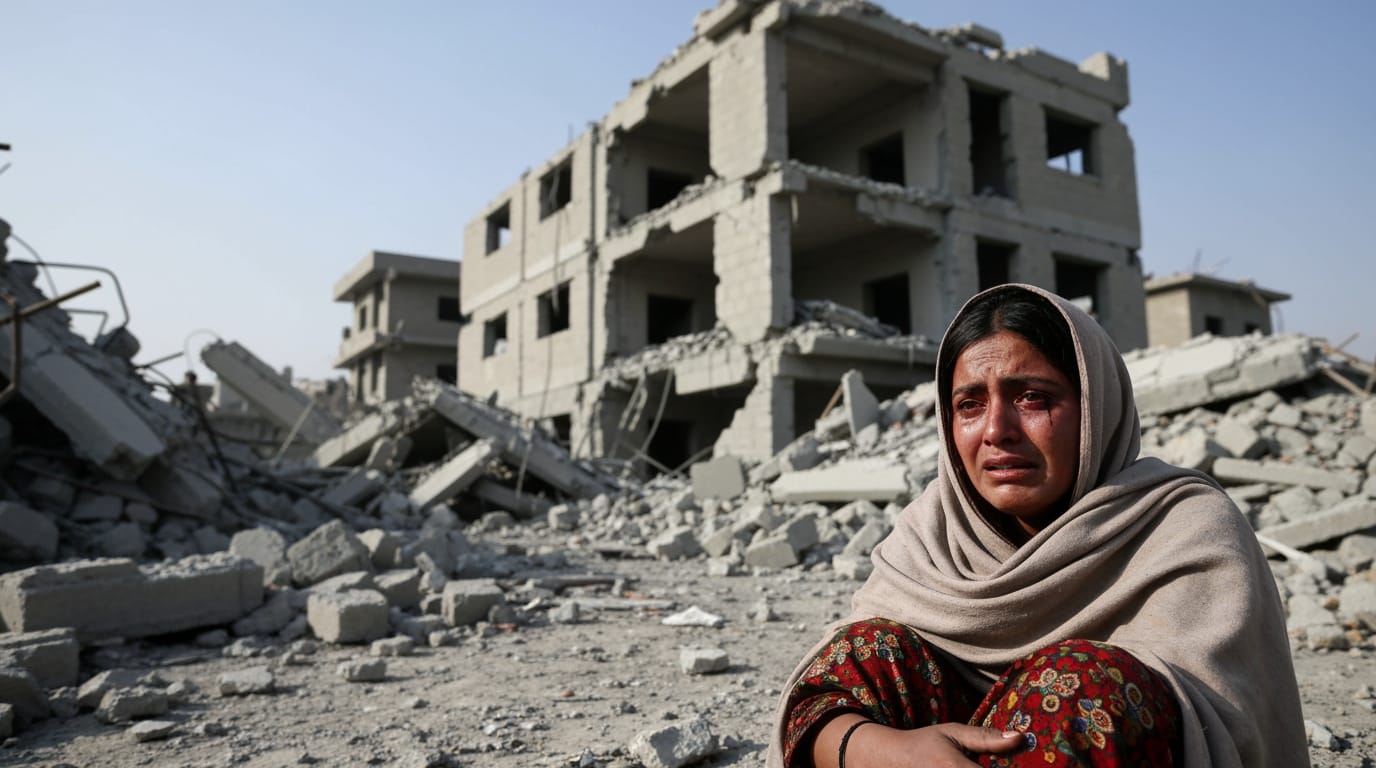
KABUL, Afghanistan – Afghanistan’s Taliban government has accused Pakistan of conducting an airstrike on a drug rehabilitation hospital in the capital, Kabul, resulting in a staggering death toll of 400 people and approximately 250 injured. The alleged strike, which occurred late Monday night, March 16, 2026, marks a dramatic and bloody escalation in ongoing cross-border tensions between the two nations, prompting immediate and categorical denials from Islamabad that any civilian sites were targeted.
The devastating incident unfolded around 9 p.m. local time, hitting a 2,000-bed facility dedicated to treating drug users in Kabul's Shahr-e-Naw and Wazir Akbar Khan areas. Afghan officials reported that the majority of those killed and wounded were patients undergoing treatment at the hospital. Initial reports from Afghanistan's Health Ministry spokesman, Sharafat Zaman, indicated over 200 fatalities, a figure that later tragically climbed to 400, according to Deputy Government Spokesperson Hamdullah Fitrat. Footage from local television stations reportedly showed firefighters battling extensive blazes amidst the ruins of the building, while rescue teams worked through the night to recover bodies and aid the wounded. Eyewitnesses described horrific scenes, with severe damage to the hospital structure and sections collapsing following the explosion. The Taliban government, through spokesperson Zabihullah Mujahid, vehemently condemned the strike as a violation of Afghan territory, labeling it a "crime" and an "act of inhumanity" against accepted principles.
Pakistan swiftly refuted the grave allegations, asserting that its airstrikes exclusively targeted militant infrastructure and posed no threat to civilian areas. Pakistani Prime Minister Shehbaz Sharif's spokesperson dismissed the claims as baseless. The Pakistani Ministry of Information stated that its "precision airstrikes" were aimed at "military installations," "technical support infrastructure and ammunition storage facilities" belonging to the Afghan Taliban and Afghanistan-based Pakistani militants in both Kabul and the eastern province of Nangarhar. Pakistan maintained that these targeted locations were being actively used to carry out attacks against Pakistani civilians, emphasizing that its operations were "precise and carefully undertaken to ensure no collateral damage is inflicted." Islamabad further suggested that the Taliban's accusations were "false and misleading," designed to stir sentiment and deflect from its "illegitimate support for cross-border terrorism."
This catastrophic event comes amid a period of intense and escalating conflict between Afghanistan and Pakistan, now entering its third week. Hours before the alleged hospital strike, Afghan officials reported a border exchange of fire that claimed four lives in Afghanistan. The ongoing clashes represent the deadliest fighting between the neighbors in years, characterized by repeated cross-border incidents and airstrikes within Afghanistan. Pakistan has explicitly stated it is in "open war" with Afghanistan, frequently accusing the Taliban government of providing safe haven to various militant groups, most notably the Pakistani Taliban (Tehrik-i-Taliban Pakistan or TTP), who are blamed for attacks inside Pakistan. The Taliban, however, consistently denies these accusations, asserting that it does not harbor such militant organizations. International calls for a ceasefire in the volatile region have, thus far, been unheeded, highlighting the deep-seated nature of the dispute. The incident also follows a recent resolution by the U.N. Security Council, which unanimously urged Afghanistan's Taliban rulers to intensify their efforts in combating terrorism, extending the U.N. political mission in Afghanistan (UNAMA) for three months.
The alleged airstrike on a medical facility, if confirmed, would represent a grave violation of international humanitarian law and could have profound implications for regional stability. The immediate aftermath is clouded by conflicting narratives, with the Taliban asserting mass civilian casualties at a hospital and Pakistan denying any civilian targeting, stressing its focus on militant infrastructure. Independent verification of the claims and casualty figures remains challenging in the active conflict zone. The international community watches closely as the humanitarian crisis deepens and diplomatic efforts struggle to de-escalate the increasingly perilous situation between the two nuclear-armed neighbors. The tragic human cost of this conflict, starkly highlighted by the reported deaths and injuries in Kabul, underscores the urgent need for a peaceful resolution.