Afghanistan’s Exiled Women’s Soccer Team Reclaims Pitch in Defiance of Restrictions
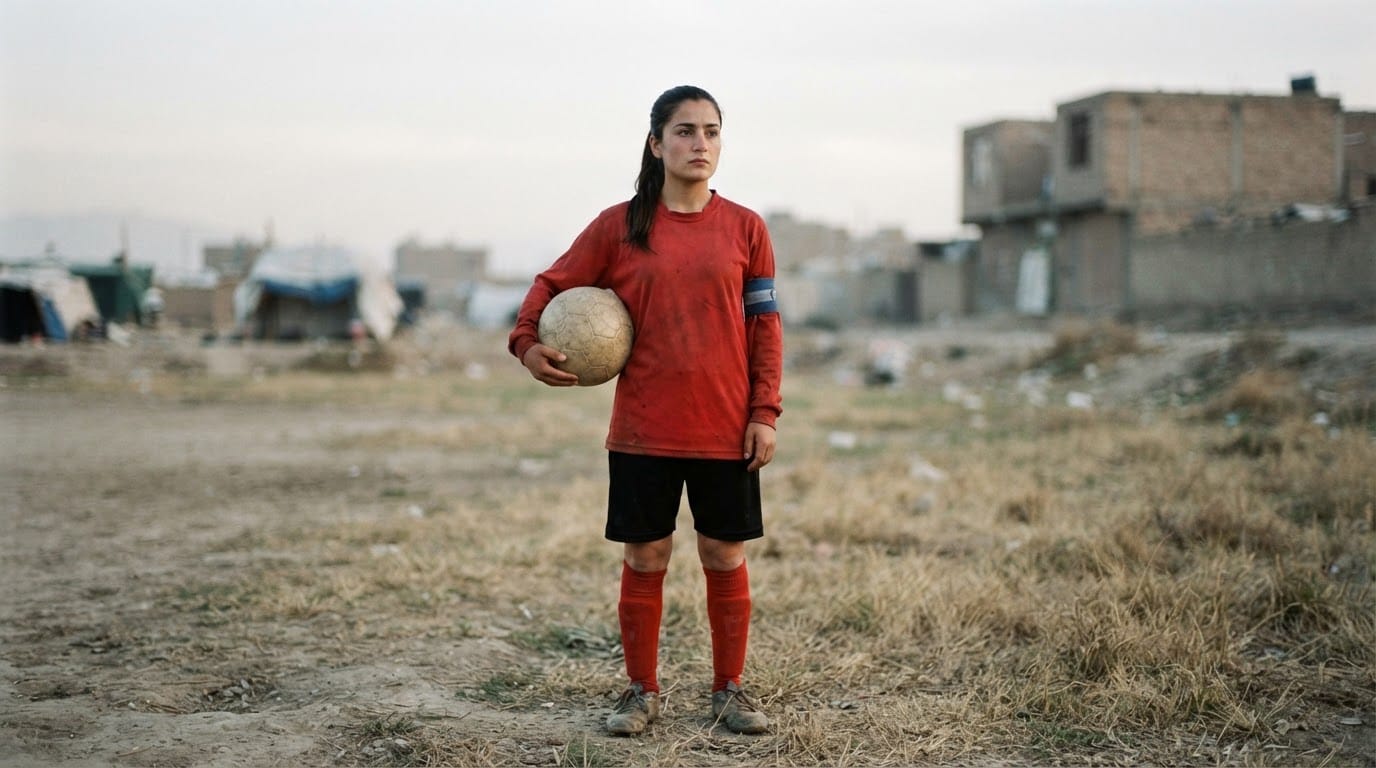
Across the soccer fields of suburban Australia, a group of young women regularly laces up their cleats to train under a badge that represents a nation thousands of miles away. They are the members of Afghanistan’s national women’s soccer program, an elite athletic squad forced into sudden exile after the fall of Kabul to the Taliban in August 2021. After years of living as a team without an official home, these athletes have transformed displacement into an enduring campaign for athletic rights, female empowerment, and formal international recognition.
Flight Into the Unknown
The modern Afghan women’s soccer program began in 2007, founded as a visible symbol of freedom and opportunity for young girls in post-Taliban society. Over the following decade, the team expanded, competed in regional Asian tournaments, and encouraged hundreds of girls across Afghan cities to take up sports.
That trajectory collapsed in mid-August 2021 when foreign troops departed and Taliban forces seized control of the Afghan capital. Fearing severe retribution under an administration that swiftly outlawed athletic participation and higher education for women, national team members hid their uniforms, burned trophies, and moved between safe houses.
Following an urgent international evacuation coordinated by former athletes, humanitarian lawyers, and player unions, more than 75 players, staff members, and relatives secured emergency visas to Australia. Others sought refuge across Europe and North America. They arrived in foreign cities with little more than small backpacks, leaving immediate family members behind in an environment where female public life had effectively ended.
Rebuilding an Identity in Melbourne
Upon arrival in Melbourne, the displaced squad faced the daunting task of starting over from scratch. Players took on language classes, entered local job markets, and coped with the severe emotional toll of family separation. Yet within months, their focus returned to the sport that had defined their lives.
Professional club Melbourne Victory stepped forward to assist, absorbing the core group into its football operations network. The partnership offered access to coaching, medical staff, physical training facilities, and competitive league registration.
Competing under the Victorian state league structure, the Afghan women recorded strong competitive seasons, claiming back-to-back promotions while drawing thousands of spectators from local refugee communities and soccer enthusiasts. While their weekend league games provided routine and stability, the athletes maintained their primary ambition: preserving the lineage of Afghanistan’s official women’s national team.
The Bureaucratic Stalemate Over Recognition
Despite their on-field resurgence, the athletes faced major institutional hurdles on the global stage. Under standard governing statutes, global soccer authority FIFA requires national squads to operate under the direct jurisdiction of their country's national member association. In this case, the Afghanistan Football Federation in Kabul fell under Taliban oversight, refusing to sanction, finance, or acknowledge any female sports programs.
This regulatory catch-22 left the players in administrative limbo for several years. Because their de facto government refused to enter them into regional tournaments, the team missed qualification windows for the 2023 Women's World Cup and continental championships.
The squad, backed by human rights advocates and international player associations, pursued an unrelenting campaign urging FIFA to modify its statutes. Advocates argued that strict adherence to federation rules punished innocent athletes rather than the regime blocking their human rights, creating an unacceptable precedent for displaced competitors worldwide.
A Historic Breakthrough and the Path to 2028
The persistent lobbying brought about a turning point when FIFA enacted regulatory reforms allowing displaced athletes to assemble and represent their country under the operational banner of "Afghan Women United" without needing consent from the Kabul-based federation.
The decision enabled the exiled squad to step back onto the international stage, culminating in formal overseas friendly fixtures in New Zealand against fellow national sides. The squad combines veteran players based in Victoria with Afghan diaspora talent competing in European leagues, creating a truly globalized national roster.
While the multi-year hiatus caused the team to miss the cycle for upcoming World Cup qualifications, the new eligibility framework allows the side to prepare for continental matches and future pathways, including preliminary qualifiers for the 2028 Summer Olympic Games.
The Weight of Representation
For the players on the field, every match carries meaning far beyond league tables or tournament standings. United Nations reports indicate that millions of women and girls inside Afghanistan remain barred from secondary schools, universities, fitness facilities, and parks.
By stepping onto competitive pitches dressed in national colors, the players view their continued athletic careers as a living record of defiance and visibility. Their performances demonstrate that though their home soil may currently be out of reach, their athletic identity and the aspirations of Afghan women have not been silenced.