Africa Cup of Nations: A Deep Dive into Africa's Premier Football Spectacle
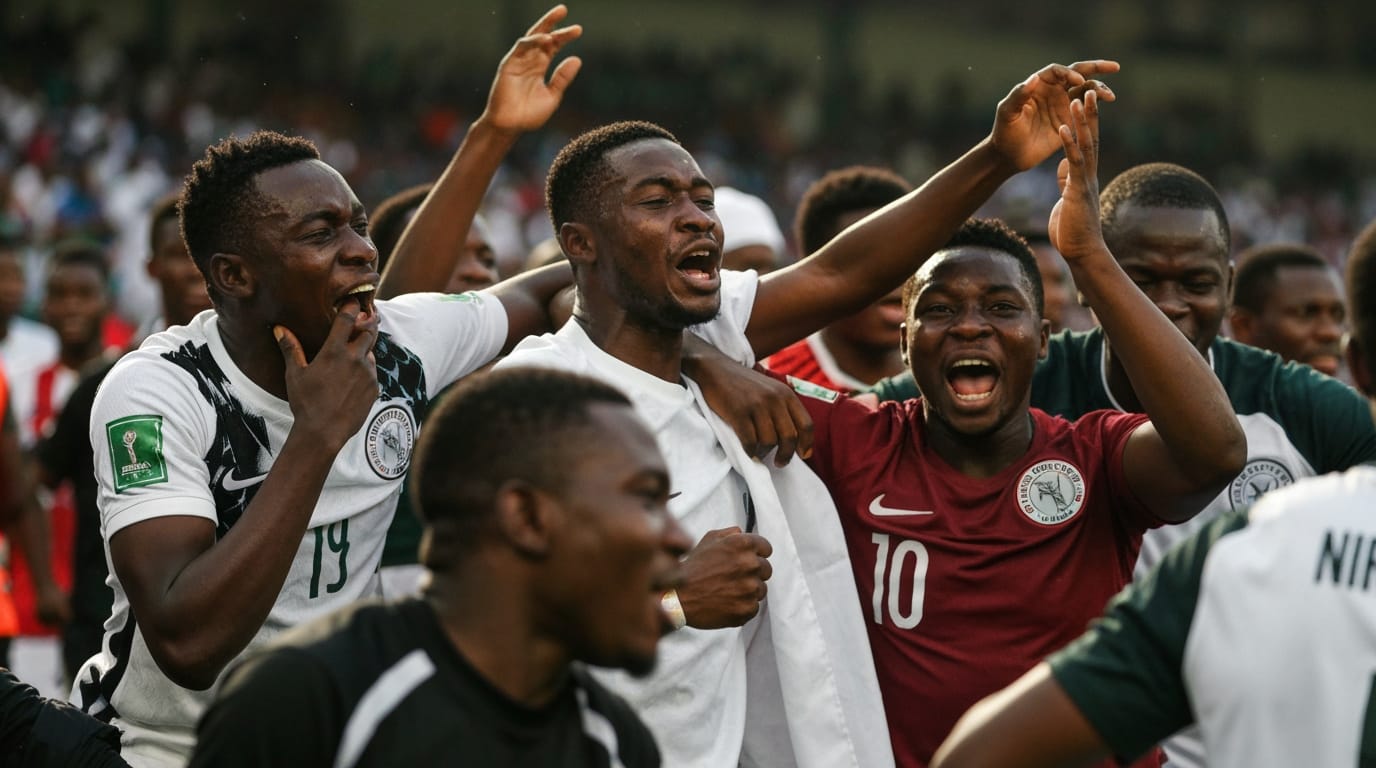
The Africa Cup of Nations (AFCON) stands as the continent's most prestigious football tournament, a biennial celebration of skill, passion, and national pride that captivates audiences across Africa and beyond. More than just a football competition, AFCON embodies the rich cultural tapestry and fierce competitive spirit of African nations, serving as a powerful platform for both established stars and emerging talents to shine on an international stage. As the 2025 edition approaches, hosted by Morocco, anticipation builds for a tournament that promises to deliver thrilling encounters and reinforce its enduring legacy in global football.
A Storied History of Continental Dominance
The origins of the Africa Cup of Nations trace back to 1957, following the formation of the Confederation of African Football (CAF). The inaugural tournament, held in Sudan, featured just three nations: Egypt, Sudan, and Ethiopia. South Africa was initially slated to participate but was disqualified due to its apartheid policies. Egypt emerged as the first champion, defeating Ethiopia in the final.
From these humble beginnings, AFCON has undergone significant expansion, mirroring the growth and evolving landscape of African football. The tournament adopted a biennial format in 1968, and the number of participating teams steadily increased over the decades. What began with three teams grew to eight in 1968, then 12 by 1992, and 16 from 1996 to 2017. The most recent expansion in 2019 saw the tournament adopt its current 24-team structure, a format that enhances inclusivity and competitiveness, allowing more nations to experience the continent's biggest football stage. Throughout its history, AFCON has seen three different trophies, with Ghana, Cameroon, and Egypt each earning the right to permanently keep a version after multiple victories. Egypt remains the most successful nation, holding a record seven titles.
The Tournament Structure: Qualification to Knockout Glory
The contemporary AFCON features a comprehensive structure designed to identify Africa's finest footballing nation. A rigorous qualification phase precedes the main event, with numerous African teams vying for a spot in the finals. The host nation automatically qualifies for the tournament.
For the final tournament, 24 qualified teams are divided into six groups of four. Each team plays every other team in its group once in a round-robin format. Following the group stage, the top two teams from each group automatically advance to the knockout rounds. In a move to further increase competition and provide more opportunities, the four best third-placed teams across all groups also secure a berth in the Round of 16.
The knockout stage then follows a single-elimination format, commencing with the Round of 16, progressing through the quarter-finals, semi-finals, and culminating in the grand final. Matches that are level after 90 minutes in the knockout stages proceed to extra time (two halves of 15 minutes each), and if the score remains tied, a penalty shootout decides the winner. A third-place playoff is also held between the losing semi-finalists. The 2025 edition, for example, is scheduled to run from December 21, 2025, to January 18, 2026, with host Morocco utilizing nine stadiums across six cities to accommodate the 52 matches.
Economic and Infrastructural Boosts for Host Nations
Hosting AFCON is a monumental undertaking that brings significant economic and infrastructural implications for the organizing nation. The tournament is a major economic catalyst, generating substantial revenue primarily through sponsorships and broadcasting rights, with additional income from ticketing and hospitality. For example, AFCON 2025 is projected to generate $192.6 million in total revenue, with a net profit of $113.8 million, significantly surpassing other CAF competitions.
Beyond direct revenues, AFCON serves as a powerful engine for local economies. Host cities experience a surge in tourism, leading to increased hotel occupancy, retail consumption, and demand for transportation services. This influx of visitors creates numerous job opportunities, both temporary and permanent, across various sectors. Furthermore, hosting the tournament often necessitates substantial investments in infrastructure development, including the construction or renovation of stadiums, improvements to transportation networks, and upgrades to public amenities.
While these investments aim to leave a lasting legacy, some host nations have faced challenges in sustaining the utility of new infrastructure after the tournament concludes. However, for countries like Morocco, which is also set to co-host the 2030 FIFA World Cup, AFCON 2025 is an opportunity to showcase organizational capabilities, reinforce its status as a preferred destination for major international sporting events, and leverage improvements for broader economic benefits beyond football.
A Showcase for Africa's Footballing Elite
AFCON is renowned for bringing together Africa's most talented footballers, many of whom are household names in top leagues around the world. The tournament acts as a crucial stage for these players to represent their nations and compete for continental glory. Legendary figures like Cameroon's Samuel Eto'o, the all-time leading scorer in AFCON history with 18 goals, and Roger Milla, alongside Egypt's Ahmed Hassan and Ghana's Abedi Pele, have etched their names into the tournament's folklore through their exceptional performances.
In recent editions, stars such as Mohamed Salah of Egypt and Victor Osimhen of Nigeria continue to draw global attention, demonstrating the high caliber of talent African football produces. AFCON also provides a platform for emerging players to announce themselves, often leading to increased visibility and potential opportunities with international clubs. The tournament, however, often creates a "club versus country" dynamic, as it typically takes place during the European club season, requiring top players to leave their clubs for national duty. Despite this, the national pride and honor associated with AFCON participation are paramount for the players involved.
Cultural Tapestry and Unifying Power
Beyond the tactical battles and breathtaking goals, AFCON is a vibrant celebration of African culture and identity. The tournament ignites a unique atmosphere characterized by colorful fan displays, rhythmic music, and fervent support. Each national team often carries a distinctive nickname, such as "The Elephants" for Ivory Coast or "Super Eagles" for Nigeria, reflecting cultural, historical, or symbolic meanings that resonate deeply with their fan bases and amplify national pride.
AFCON transcends sport, acting as a powerful unifying force across the diverse continent. It fosters a sense of collective identity and shared experience, bringing together people from different backgrounds to support their respective nations. The tournament is a powerful expression of unity, ambition, and cultural richness, inspiring millions and strengthening Africa's global footballing reputation. It underscores how sport can bridge divides and create unforgettable moments of shared joy and national celebration.
In conclusion, the Africa Cup of Nations is far more than just a football tournament; it is a dynamic event deeply woven into the fabric of African society. From its humble origins to its current status as a major international competition, AFCON continues to be a crucial platform for showcasing footballing excellence, driving economic development, and fostering cultural unity across the continent. Its rich history, evolving format, significant impact, and the sheer talent it displays solidify its position as an indispensable fixture on the global sporting calendar.