African Football Grapples with Gender Disparity as Female Coaches Demand Greater Representation
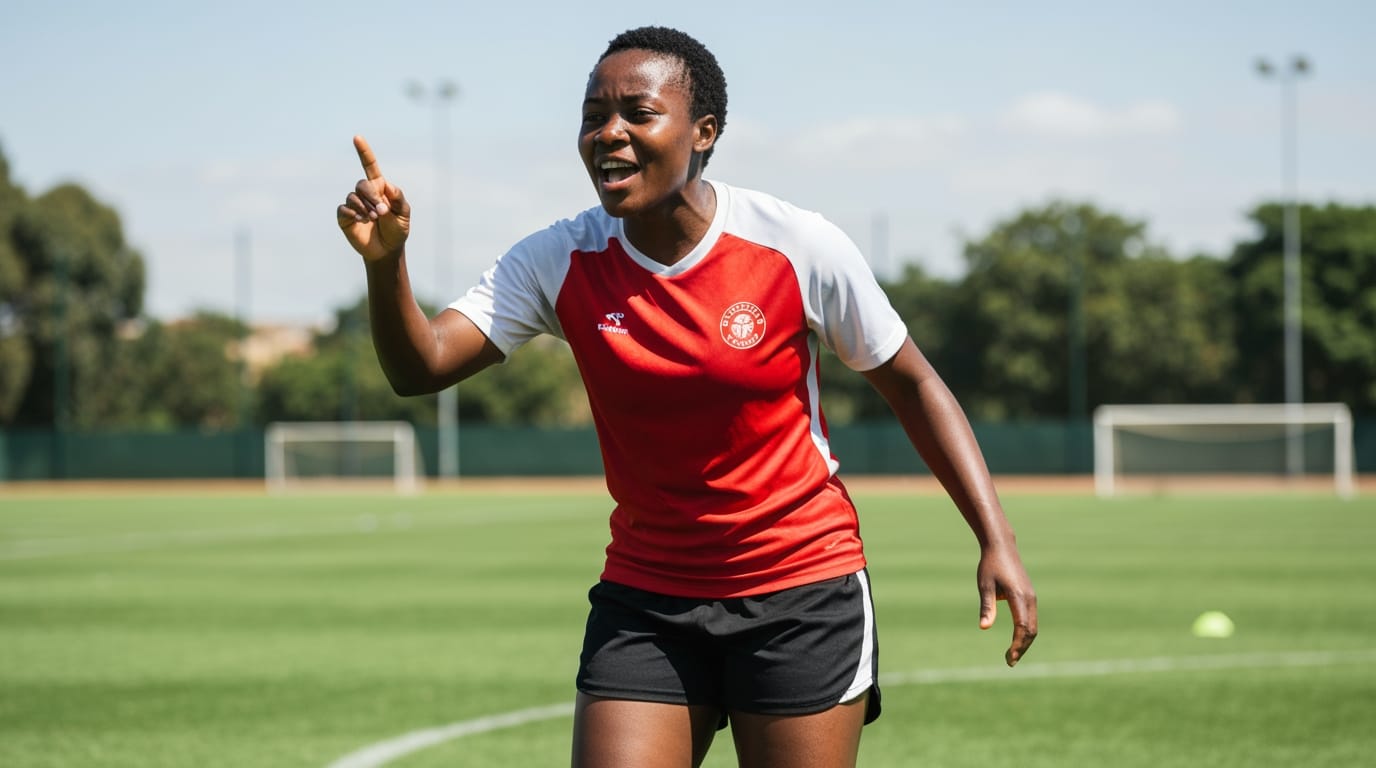
African football finds itself at a pivotal juncture, experiencing a significant push for increased female representation within its coaching ranks. Despite a notable surge in women's football participation across the continent, female coaches remain markedly underrepresented, particularly in high-performance and elite roles, hindering player development and perpetuating a cycle of male dominance. This ongoing disparity has ignited calls for systemic change from coaches, administrators, and governing bodies alike, who advocate for a more inclusive and equitable future for the sport.
The Current Landscape: A Stark Imbalance
The underrepresentation of women in football coaching is a global issue, but it is particularly pronounced in Africa. A 2019 FIFA survey revealed that women constitute only 7% of licensed football coaches worldwide. This global trend is acutely reflected across African nations, where the challenge of female coaches breaking into high-performance roles is described as "particularly acute". For instance, at the 2022 Women's Africa Cup of Nations, only three out of twelve participating teams were led by female coaches, with two countries reportedly replacing their female coaches with men shortly after qualifying for the tournament. While the Confederation of African Football (CAF) reported 4,140 female coaches in its 2022 Women's Football Landscape Report, alongside over 150,000 registered female players, this figure still highlights a significant imbalance when considering the vast pool of talent and the leadership opportunities available. The scarcity of women in top coaching positions not only limits career progression for aspiring female tacticians but also deprives the sport of diverse perspectives and essential role models for a burgeoning generation of female players.
Entrenched Barriers Hinder Progress
The path for female coaches in African football is fraught with systemic barriers that impede their career advancement. Research points to a confluence of organizational, sociocultural, and interpersonal challenges. Organizational constraints include limited trust and support from administrators, inadequate funding, abrupt dismissals, and a severe lack of female role models in positions of authority. Coaches frequently encounter restricted access to mentorship, insufficient organizational backing, limited professional development opportunities, and overt gender-based discrimination. Beyond the institutional hurdles, deeply ingrained sociocultural factors contribute significantly to the problem. These include pervasive gender stereotypes, entrenched masculinities, and a general public distrust of female leadership in football, sometimes manifesting in perceptions of "bad luck" associated with female coaches. Societal patriarchy and historical inequalities further restrict women's access to resources, opportunities, and decision-making roles within the sport. Individually, female coaches often face resource scarcity and limited professional development, compounded by interpersonal challenges such as harassment and exclusion by male colleagues. The absence of a central database tracking female coaching representation across African sports exacerbates the problem, making it difficult to accurately assess and address these pervasive disparities.
A Concerted Push for Inclusion and Development
Recognizing the urgent need for change, international and continental governing bodies, alongside national federations, have initiated programs aimed at dismantling these barriers and fostering greater female representation. In a landmark move, FIFA has introduced a new regulation mandating that every women's team participating in its competitions must include at least two female coaches on their technical bench, with one holding either the head coach or assistant coach position. This directive, part of FIFA's broader strategy to promote gender balance, is set to take effect starting with the FIFA U-20 Women's World Cup in September.
CAF has also launched significant initiatives, such as the Women Instructors Development Program (WIDP), which began in March 2025. This three-month program combines online modules with in-person training and mentorship, designed to enhance the skills and expertise of women in coaching education across Africa. The WIDP has engaged 29 participants from 22 CAF member associations, including current national team coaches, with the explicit goal of building a robust ecosystem of highly trained female football leaders in every member association. CAF's Head of Women's Football, Meskerem Goshime, emphasized the program's intent to shift the narrative, stating a desire to change the image of women's teams being coached exclusively by men. Additionally, CAF has invested in leadership training, with 80 officials in African women's football undergoing workshops on topics such as leadership and strategic planning to bridge existing skill gaps. Countries like Zambia are already demonstrating progress, with all female national teams now led by female coaches, and the U-20 team notably boasting an all-female technical bench.
The Tangible Benefits of Female Leadership
The integration of more female coaches promises substantial benefits for African football, extending beyond mere representation. Female coaches offer unique perspectives and foster distinct player-coach relationships built on empathy, trust, and emotional intelligence. Players often report feeling more comfortable approaching female coaches, viewing them as a "mother or sister," which can enhance communication and team cohesion. Moreover, women coaches bring diverse coaching approaches, often emphasizing teamwork, communication, and mental resilience, which can significantly enrich team dynamics and player development.
Crucially, female coaches serve as vital role models for young girls aspiring to careers in football, proving that gender is not an impediment to success in sports leadership. Their presence helps normalize women in positions of authority and expertise, inspiring the next generation. They are also uniquely positioned to address gender-specific issues within football, including the physical demands on female athletes, societal biases, and the promotion of an inclusive team culture. Many female coaches are driven by a passion to challenge male dominance and actively contribute to the growth and evolution of women's football in Africa.
A Journey Towards Full Inclusion
The efforts to enhance female representation in African football coaching signify a critical, ongoing journey. While challenges remain deeply entrenched, the concerted actions by FIFA, CAF, and national federations, coupled with the unwavering dedication of female coaches themselves, are steadily paving the way for a more inclusive and dynamic football landscape. The long-term vision is clear: to ensure that women not only participate in football but also lead, innovate, and shape its future, thereby unlocking the sport's full potential across the continent. Sustained commitment to training, mentorship, and equitable opportunities will be essential to overcome historical prejudices and cement the role of female coaches at every level of African football.