Allegations Surface of RSF Targeting Disabled in El Fasher Amid Sudan Conflict
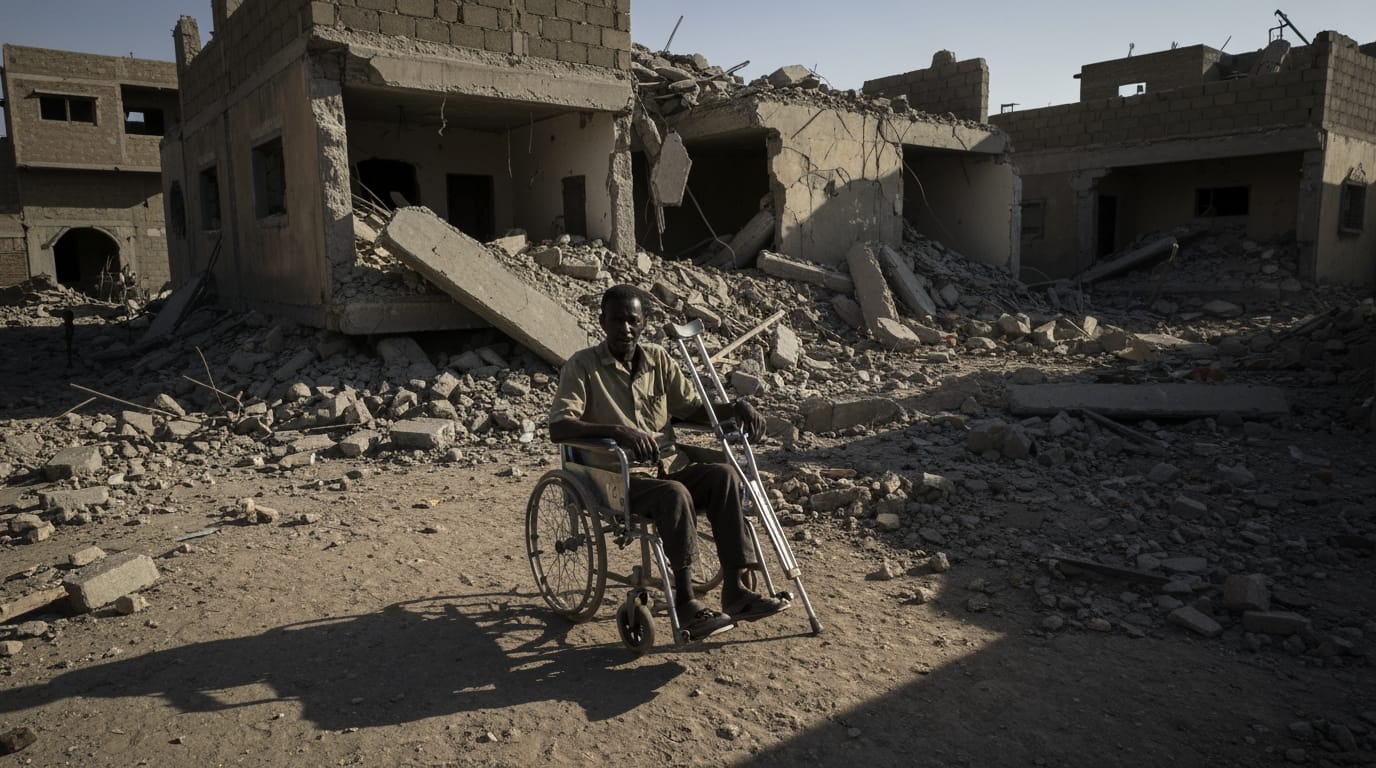
El Fasher, Sudan – Human Rights Watch (HRW) has issued a grave report alleging that the Rapid Support Forces (RSF), one of Sudan's primary warring factions, deliberately targeted, abused, and killed people with disabilities during and after their capture of El Fasher, the capital of North Darfur, on October 26, 2025. The report details how individuals with disabilities were singled out, accused of being injured combatants, and subjected to humiliating treatment, highlighting a disturbing pattern of cruelty amid the ongoing conflict. These actions, if substantiated, constitute war crimes and could amount to crimes against humanity, underscoring the urgent need for international scrutiny and accountability for atrocities against the most vulnerable populations.
Deliberate Targeting and Dehumanization
The HRW investigation, based on interviews with 22 survivors and witnesses from El Fasher conducted between December 2025 and February 2026, paints a harrowing picture of systematic abuse. According to the report, RSF fighters explicitly targeted individuals based on their disabilities, with people with physical impairments often accused of being injured soldiers affiliated with the rival Sudanese Armed Forces (SAF). Survivors and witnesses recounted instances of mockery, where fighters derided them as "insane" or "not complete," alongside beatings, abuse, and harassment. "The Rapid Support Forces treated people with disabilities as suspects, burdens, or expendable," said Emina Ćerimović, associate disability rights director at Human Rights Watch. She further elaborated that "We heard how they accused some victims, particularly those missing a limb, of being injured fighters and summarily executed them. Others were beaten, abused, or harassed because of their disability with fighters mocking them as 'insane' or for not being a 'complete person'". These actions extend beyond individual acts of violence, suggesting a deliberate policy of dehumanization and persecution against a segment of the civilian population. Such targeted killings of non-combatants, including those with disabilities, fall under the definition of war crimes, while widespread and systematic abuses against a civilian population may be classified as crimes against humanity. Additional accounts from eight disability rights activists across Sudan described similar RSF abuses in other conflict-affected regions of the country, indicating that the alleged targeting in El Fasher may not be an isolated incident.
El Fasher's Fall: A Cascade of Atrocities
The alleged targeting of people with disabilities occurred in the broader context of the RSF's brutal takeover of El Fasher, which fell after an 18-month siege on October 26, 2025. The city's capture triggered a wave of widespread atrocities, forcing thousands to flee and exposing them to further violence. Human Rights Watch previously reported on extrajudicial killings and other severe violations carried out by the RSF against civilians attempting to escape the city. The aftermath of El Fasher’s fall has seen the emergence of mass graves and numerous RSF-operated detention centers within the city. Reports from the Sudan Tribune detailed that the RSF has detained a significant portion of El Fasher's male population, with key detention sites including student dormitories, government buildings, and a mosque. Eyewitnesses described grim scenes, with claims of bodies being transported from the city for burning or burial near the Zamzam displacement camp under the cover of night to evade detection. These reports also indicate that the RSF has converted civilian infrastructure, including a children's hospital, into makeshift prisons, holding thousands of detainees, including medical professionals and civil servants. The United Nations Population Fund (UNFPA) highlighted that health facilities were repeatedly attacked, leading to critical shortages of medication and leaving vulnerable individuals, including pregnant women and rape survivors, without essential care. The Sudanese Health Ministry itself condemned these "massacres" and the direct targeting of healthcare workers and facilities, labeling them as flagrant violations of international humanitarian law.
The Disproportionate Burden on the Disabled
The conflict in Sudan, which began on April 15, 2023, has had a devastating and disproportionate impact on people with disabilities, who face exacerbated risks due to their unique vulnerabilities. Humanity & Inclusion, a humanitarian organization, expressed alarm at the escalating violence and the deteriorating humanitarian situation, noting that persons with disabilities are among the most severely affected. According to the 2025 Humanitarian Needs and Response Plan for Sudan, people with disabilities constitute approximately 15% of the population in need, totaling around 4.6 million individuals. This figure is likely to be significantly higher in conflict zones where injuries and lack of access to care can lead to new disabilities. The report highlighted that people with disabilities are particularly vulnerable during conflict, often unable to flee rapidly or access humanitarian aid, making them susceptible to execution or abandonment. One family member cited in the HRW report recalled an RSF fighter suggesting, "let us help you get rid of them" in reference to people with disabilities, illustrating the extreme dangers they face. The widespread destruction of homes, hospitals, and markets, coupled with depleted medical supplies and restricted humanitarian access, further compounds their plight. Humanity & Inclusion has urgently called for the protection of civilians, unimpeded humanitarian access, and the full implementation of human rights frameworks, including the Convention on the Rights of Persons with Disabilities, to address these critical needs.
A Pattern of Grave Violations
The allegations in El Fasher resonate with previous accusations of severe human rights abuses against the RSF in other parts of Sudan. Human Rights Watch had previously concluded that the RSF carried out crimes against humanity and widespread war crimes during its campaign of ethnic cleansing against the Massalit and other non-Arab populations in El Geneina. These earlier atrocities, characterized by widespread and ethnically targeted killings, even raised the possibility of acts of genocide. The consistency of these reports across different conflict zones underscores a troubling pattern of behavior by the RSF. While informal talks between the warring parties were reportedly underway in Washington, D.C., under the auspices of the Quad in late 2025, and calls for a humanitarian truce were made, the reality on the ground in El Fasher painted a starkly different picture of escalating violence and deliberate targeting of the most vulnerable. The ongoing conflict has resulted in an estimated 20,000 deaths and displaced over 15 million people as refugees and internally displaced persons, according to UN and local reports. The Sudanese army spokesman has called on media and human rights organizations to document RSF "crimes" to amplify the voices of victims and refuse silence in the face of such atrocities.
Calls for Accountability and Protection
The alleged systematic targeting of people with disabilities by the Rapid Support Forces in El Fasher represents a profoundly disturbing escalation of the Sudanese conflict. These grave allegations, detailed by Human Rights Watch and corroborated by other humanitarian organizations, demand immediate and thorough investigation. The deliberate abuse, mockery, and killing of individuals based on their disabilities not only violate fundamental human rights but also constitute serious breaches of international humanitarian law, potentially rising to the level of war crimes and crimes against humanity. As the humanitarian crisis deepens and millions remain displaced, the international community faces an urgent imperative to ensure the protection of all civilians, especially the most vulnerable, and to hold accountable those responsible for these heinous acts. Without concerted efforts to enforce international law and provide unhindered humanitarian access, the suffering of those caught in Sudan’s devastating conflict, particularly its disabled population, will continue unchecked.


