Alpine Skiing Faces Growing Scrutiny Over Speed and Safety
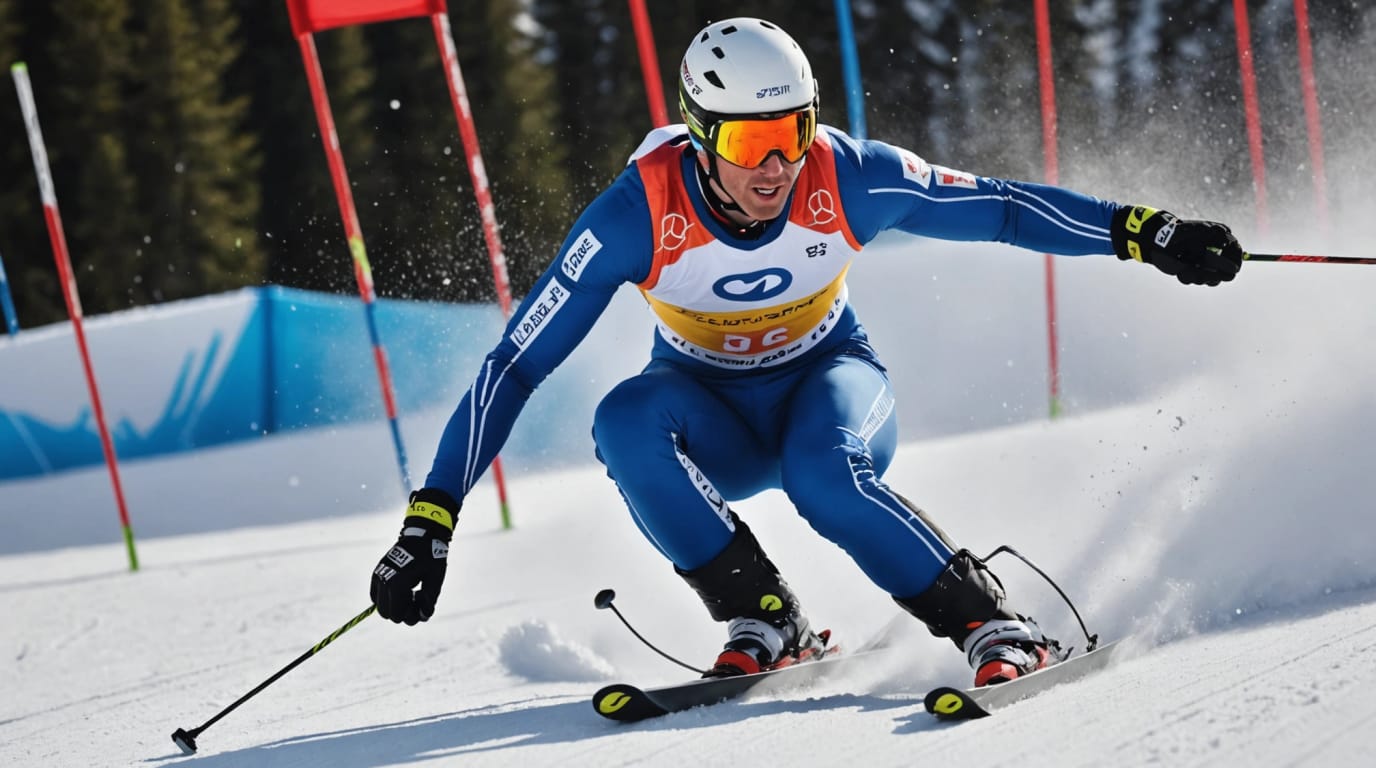
A series of high-profile crashes and injuries in recent years has ignited a fierce debate surrounding safety measures in alpine skiing, prompting calls for reform from athletes, coaches, and industry experts. The discussion encompasses equipment regulations, course design, and individual skier responsibility, as stakeholders grapple with balancing the inherent risks of the sport with the pursuit of performance.
Rising Speeds, Rising Concerns
Alpine skiing, known for its adrenaline-pumping speeds and technical challenges, has seen a steady increase in velocity over the past few decades. Technological advancements in ski equipment, coupled with increasingly aggressive course settings, have enabled athletes to reach unprecedented speeds. While this has undoubtedly contributed to the spectacle of the sport, it has also raised concerns about the potential for catastrophic accidents. Injury rates of 36.7 per 100 World Cup athletes per season have been reported, with the knee being the most frequently affected body part. In super-G and downhill, injuries seem to be related to high speed and jumps, whereas injuries in slalom and giant slalom are likely related to high loads during bidirectional turning phases.
Equipment Under the Microscope
One of the central points of contention is the role of equipment in contributing to skier safety. Modern skis, with their shaped designs and advanced materials, allow for greater carving ability and higher speeds. However, some argue that these advancements have outpaced the ability of skiers to control them, particularly in challenging course conditions. There are calls for stricter regulations on ski design, including limitations on length, sidecut, and stiffness, to reduce the potential for uncontrolled acceleration and improve skier stability.
Course Design and Safety Nets
Course design is another critical factor in mitigating risk. Downhill courses, in particular, often feature steep gradients, sharp turns, and challenging jumps, demanding exceptional skill and precision from athletes. Critics argue that some courses have become excessively dangerous, pushing skiers beyond their limits and increasing the likelihood of crashes. The debate includes the implementation of more comprehensive safety measures, such as increased padding on gates and improved safety netting along the course.
Personal Responsibility and Risk Mitigation
While equipment and course design play significant roles, personal responsibility remains paramount in ensuring skier safety. Athletes must be aware of their own abilities and limitations, and make informed decisions about the risks they are willing to take. This includes proper training, equipment maintenance, and adherence to safety guidelines. Some argue for a greater emphasis on risk mitigation strategies, such as early gate training and course familiarization, to better prepare skiers for the challenges they face.
Finding a Balance
The debate over speed and safety in alpine skiing is complex, with no easy solutions. Striking a balance between pushing the boundaries of performance and protecting the well-being of athletes is a challenge that requires ongoing dialogue and collaboration among all stakeholders. As the sport continues to evolve, it is essential to prioritize safety without compromising the excitement and thrill that make alpine skiing so captivating. Some resorts have begun to implement "Family Zones" for slower skiing, and are partnering with organizations to address on-mountain collision prevention. It's important to remember how to stay safe on the slopes. As with vehicles, conditions, equipment and ability, all affect stopping distances.