Ancient DNA Rewrites History of Human-Dog Bond, Pushing Domestication Back Thousands of Years
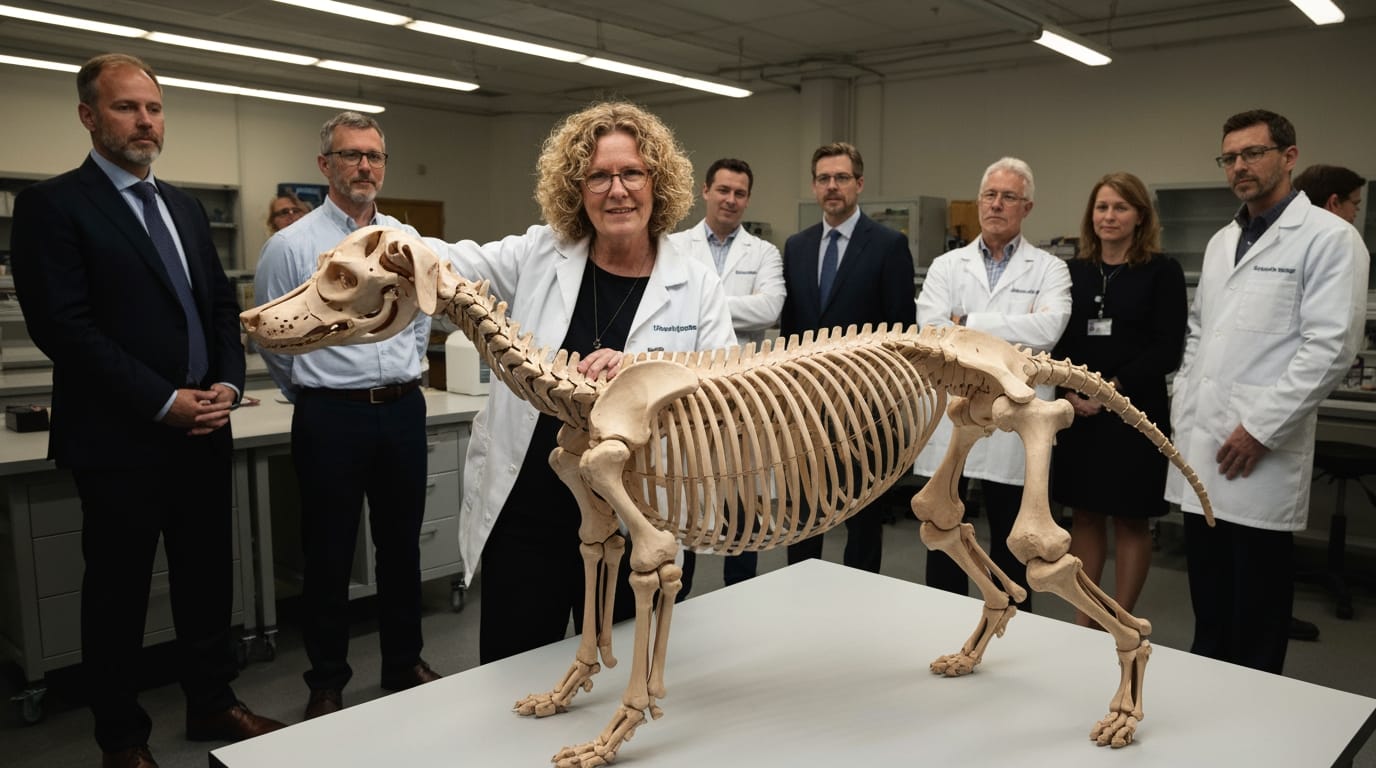
New genetic evidence has dramatically reshaped our understanding of humanity's oldest partnership, revealing that domestic dogs were already integral to human societies across Europe and Asia as far back as 16,000 years ago, a full five millennia earlier than previously established by genetic records. This groundbreaking research, published today in the journal Nature, utilized advanced ancient DNA analysis to pinpoint the presence of domesticated canines at archaeological sites during the Late Upper Palaeolithic period, long before the dawn of agriculture. The findings illuminate a profound and enduring connection that predates nearly all other forms of animal domestication, firmly cementing the dog's status as humankind's first and most ancient companion.
Unveiling the Earliest Genetic Footprints
The extensive international study, involving researchers from institutions including the University of Oxford, University College London (UCL), the University of York, and Ludwig Maximilian University of Munich, analyzed whole genomes from ancient canine remains. This methodology proved crucial in accurately distinguishing between early dogs and their wild wolf ancestors, a distinction often challenging with fragmented DNA or skeletal measurements alone. The oldest specimen identified as a domestic dog in this study dates back approximately 15,800 years and was discovered at Pınarbaşı in Türkiye. Another significant find is a 14,300-year-old dog jawbone unearthed at Gough's Cave in the UK. These discoveries, alongside evidence from other sites across Europe and Anatolia, indicate that dogs were widely distributed across these regions by at least 14,000 years ago. These dates significantly push back the earliest direct genetic evidence of dogs by 5,000 years from previous records.
Tracing the Complex Origins of Domestication
While the precise timing and geographical location(s) of dog domestication remain subjects of ongoing debate, the scientific consensus points to the grey wolf, or more specifically, an extinct Late Pleistocene wolf population, as the direct ancestor of all ancient and modern dogs. Genetic studies suggest that the divergence between the dog's ancestor and modern wolves occurred between 27,000 and 40,000 years ago, prior to or during the Last Glacial Maximum. This latest research supports the theory that dog domestication likely took place during the last Ice Age, potentially more than 10,000 years before the domestication of any other plants or animals.
Previous archaeological and genetic analyses have offered various perspectives on the origins. Some genetic studies have suggested a domestication process commencing over 25,000 years ago in one or several wolf populations across Europe, the high Arctic, or eastern Asia. For instance, a 2021 literature review inferred domestication began in Siberia between 26,000 and 19,700 years ago, with subsequent dispersal. Other notable earlier findings include the Bonn-Oberkassel dog in Germany, dated around 14,223 years ago, buried alongside humans, suggesting a strong early bond. The widespread distribution of dogs across Eurasia by 14,000 years ago, as highlighted by the new study, also raises the possibility of multiple domestication events or rapid dispersal of domesticated lineages.
A Partnership Forged in the Ice Age: Mutual Benefits
The enduring bond between humans and dogs is a testament to a unique co-evolutionary partnership, built on mutual benefits that began when humans were still hunter-gatherers. Wolves that exhibited less aggression and greater altruism towards humans likely gained fitness advantages through their association with human groups, marking domestication as an example of "social selection." Early humans, in turn, benefited immensely from these proto-dogs, who served as hunting aids, alarm systems, and protectors.
Crucial evidence of this evolving relationship comes from dietary analysis. Isotopic analysis of canine bones from sites like Pınarbaşı in Türkiye revealed that these ancient dogs consumed diets rich in fish, closely matching the diet of the local human populations. Similarly, archaeological findings in Alaska, including a 12,000-year-old canine tibia and an 8,100-year-old jawbone, indicate that these canids relied on humans for food, primarily salmon, a departure from the typical terrestrial diet of wild canids in the region at the time. This evidence strongly suggests that humans were purposefully feeding these animals, underscoring their integration into human communities.
Beyond Utility: Emotional Bonds and Cultural Significance
The relationship between humans and dogs transcended mere utility, evolving into deep emotional connections and cultural significance that are still evident today. Evidence from intentional burials speaks volumes about the emotional value placed on these early canines. The Pınarbaşı site, for instance, yielded the bones of three puppies buried over the legs of a human, echoing elaborate human burial practices. The 14,300-year-old dog jawbone from Gough's Cave displayed intentionally carved holes, suggesting that these dogs held symbolic importance even after death. In many ancient cultures, dogs were believed to guard the soul after death or act as spirit messengers, reinforcing their honored status as partners in life and legacy.
This profound bond also shaped the very nature of dogs. Over millennia of co-evolution, dogs developed a unique sensitivity to human communication, demonstrating an uncanny ability to read human social cues, such as gestures and facial expressions, and even understand human intention. This evolutionary adaptation, exemplified by phenomena like "puppy dog eyes," facilitated more effective communication and elicited caregiving behaviors from humans. Studies also indicate that both dogs and their owners experience an oxytocin boost during interactions, reinforcing their mutual attachment. These behavioral and genetic adaptations underscore how dogs became uniquely attuned to human social structures, allowing them to thrive as cherished family members across countless cultures.
The recent genetic discoveries affirm that the partnership between humans and dogs is not just ancient, but a foundational aspect of human history, predating virtually all other forms of domestication. The dog was the first species to join humanity's journey, evolving from formidable wild predators into loyal companions who shared our lives, our food, and even our graves. This enduring, mutually beneficial relationship continues to shape both species, highlighting a remarkable narrative of co-evolution that remains one of the most compelling stories in natural history.


