Architect of Equality: B.R. Ambedkar's Enduring Vision for Dalit Upliftment in India
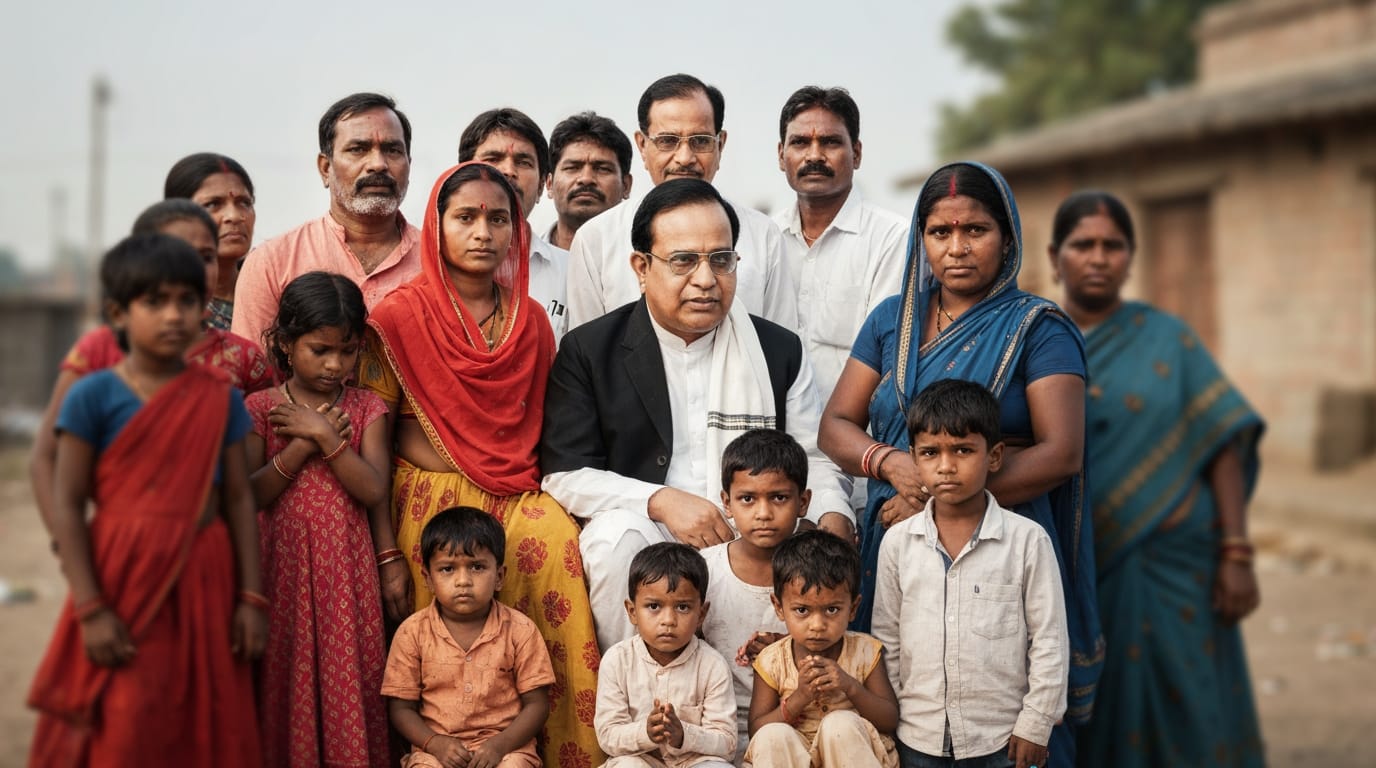
New Delhi, India – Bhimrao Ramji Ambedkar, a figure whose intellectual prowess and unwavering commitment reshaped India's social and political landscape, remains the foundational architect of the Dalit upliftment movement. Born into an "untouchable" community, his life transcended the severe discrimination he faced, culminating in a legacy that continues to inspire and inform the pursuit of social justice and equality for millions across the nation. Ambedkar's radical ideas, encapsulated in his powerful call to "Educate, Agitate, Organise," laid the groundwork for dismantling centuries of caste-based oppression, embedding principles of dignity and rights into the very fabric of independent India.
The Shadow of Caste: Ambedkar's Genesis of Resolve
Born on April 14, 1891, in Mhow, Madhya Pradesh, into a Dalit family, B.R. Ambedkar experienced the harsh realities of the caste system firsthand. His early life was marked by pervasive discrimination, segregation, and the dehumanizing practice of untouchability, where he and other Dalit children were ostracized in schools, denied access to public resources, and subjected to systemic humiliation. This personal encounter with injustice forged his lifelong resolve to eradicate the deeply entrenched caste hierarchy that permeated Indian society. Despite these formidable barriers, Ambedkar demonstrated exceptional academic brilliance, pursuing higher education in the United States and the United Kingdom, sponsored by the Maharaja of Baroda. He earned master's and doctoral degrees in economics and law from Columbia University and the University of London, respectively, equipping him with the intellectual tools to articulate a profound critique of the caste system. Upon his return to India, his professional endeavors were met with continued caste prejudice, reinforcing his determination to fight for social reform.
Forging a Path: Early Activism and Political Engagement
Ambedkar's activism began to take concrete shape in the 1920s as he actively sought to empower the marginalized. In 1924, he established the Bahishkrit Hitakarini Sabha (Outcastes Welfare Association), dedicated to promoting education and socio-economic improvement for the "depressed classes". This organization, alongside journals like "Mook Nayak" and "Bahishkrit Bharat," became crucial platforms for voicing the struggles and aspirations of the oppressed, fostering a nascent sense of identity and resistance among Dalits.
A pivotal moment in his early struggle was the Mahad Satyagraha of 1927, where Ambedkar led thousands of Dalits to demand access to a public water tank, challenging the age-old proscription that denied them common civic rights. Later that year, in a powerful symbolic act against the ideological underpinnings of caste discrimination, he publicly burned copies of the Manusmriti, an ancient Hindu text believed to justify the caste hierarchy. Ambedkar's interventions extended to the political sphere, where he emerged as the foremost leader of the Dalit community during the Round Table Conferences in London in the early 1930s. Here, he fervently advocated for separate electorates for the 'backward classes,' believing it essential for their political representation. This stance led to the historic Poona Pact of 1932, a compromise with Mahatma Gandhi, which, while foregoing separate electorates, secured reserved seats for Dalits in provincial assemblies, marking a significant step towards their political inclusion. He further consolidated Dalit political agency by founding the Independent Labour Party in 1936 and later the All-India Scheduled Castes Federation in 1942.
Architecting a Nation: Constitutional Reforms and Legal Safeguards
Ambedkar's most profound and enduring contribution to modern India lies in his pivotal role as the Chairman of the Drafting Committee of the Indian Constitution. Tasked with shaping the foundational charter of an independent nation, he meticulously infused the document with the ideals of liberty, equality, and fraternity. His vision ensured the abolition of untouchability through Article 17, making it illegal and setting the stage for subsequent affirmative action policies. These affirmative action measures, including reservations in education, employment, and political representation for Scheduled Castes and Scheduled Tribes, were instrumental in providing opportunities to historically disadvantaged communities and promoting their socio-economic upliftment.
Beyond caste, Ambedkar was a tireless advocate for the rights of all marginalized groups, including women. He championed gender equality, emphasizing the need for equal rights and opportunities for women within the Dalit community, recognizing the intersectionality of caste and gender-based discrimination. His comprehensive economic vision also contributed to national development, with insights into fiscal policy, land reforms, and his crucial role in the conception of the Reserve Bank of India.
The Annihilation of Caste and the Embrace of Buddhism
Ambedkar's intellectual magnum opus, "Annihilation of Caste," an undelivered speech written in 1936, presented a scathing critique of Hindu orthodoxy and the caste system. He argued that caste was not merely a social division but a hierarchical system deeply embedded in religious scriptures, which perpetuated inequality and impeded social unity. Ambedkar contended that cosmetic reforms were insufficient; instead, a complete dismantling of the caste system, including challenging the religious notions upon which it was founded, was necessary for true societal transformation. He rejected the idea that inter-caste dining and marriage alone could annihilate caste, asserting the need to destroy the very religious tenets that sanctioned it.
In a profound personal and political statement, Ambedkar converted to Buddhism in 1956, initiating a mass conversion movement among Dalits. He renounced Hinduism, believing it to be inextricably linked to the caste system, and embraced Buddhism's principles of equality, rationality, and compassion as a path to liberation and dignity for his community.
A Living Legacy: Progress and Persistent Challenges
Dr. B.R. Ambedkar's vision for Dalit upliftment continues to profoundly influence Indian society. His advocacy for education, legal reforms, and the abolition of untouchability laid the foundation for a more egalitarian society. His philosophy and the constitutional safeguards he championed have empowered millions, fostering their participation in education, employment, and politics. The slogan "Educate, Agitate, Organise" remains a potent rallying cry for social justice movements across India.
However, despite significant progress, the journey toward a truly casteless society is far from complete. Dalits, who constitute approximately 16.6% of India's population, continue to face systemic discrimination, violence, and economic inequality, particularly in rural areas. Reports of atrocities, including caste-based violence, sexual assault, and social boycotts, persist, underscoring the deep-rooted prejudice that still plagues Indian society. Economic disparities remain stark, with Dalits often confined to low-paying jobs and facing workplace and rental discrimination in urban settings. Access to quality education, while improved, still presents hurdles, with higher dropout rates among Dalit students.
Ambedkar's prescient warning that political democracy must be accompanied by social and economic democracy resonates powerfully today. His legacy serves as a constant reminder that while legal frameworks provide a crucial foundation, the eradication of caste-based discrimination requires continuous societal effort, challenging entrenched prejudices, and ensuring that all citizens, regardless of their birth, can realize their full potential in an inclusive and just India.


