Artemis II Rocket Returns to Hangar, Lunar Mission Faces Further Delay
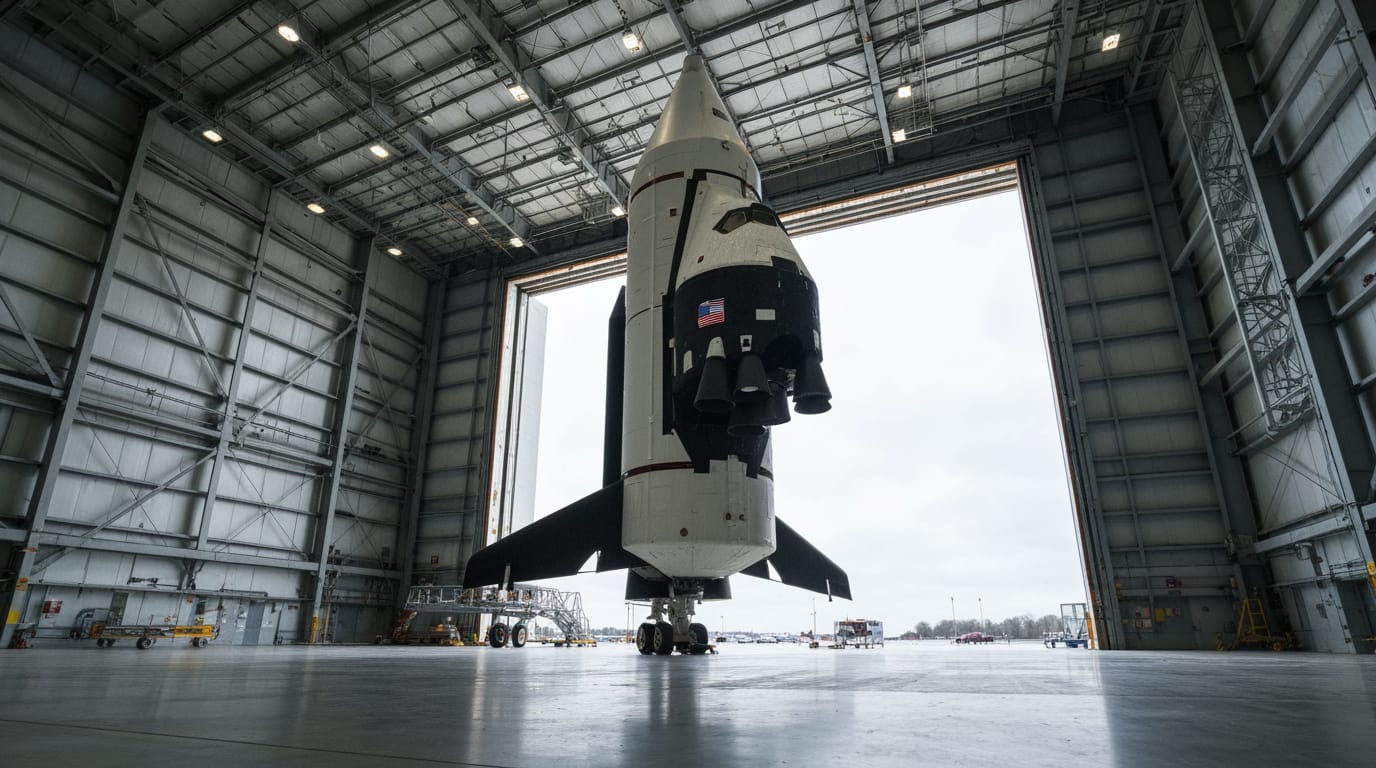
CAPE CANAVERAL, Fla. — NASA's ambitious journey back to the Moon has encountered another hurdle, as the Artemis II Orion spacecraft and Space Launch System (SLS) rocket are being rolled back to the iconic Vehicle Assembly Building (VAB) at Kennedy Space Center. This unexpected return to the hangar stems from a newly identified malfunction within the rocket's critical helium pressurization system, forcing a further delay for the first crewed lunar mission in over five decades. The rollback eliminates any possibility of a March launch, pushing the earliest potential liftoff to April 2026.
The immense 322-foot-tall rocket stack, which had been positioned at Launch Complex 39B, began its slow, four-mile journey back to the VAB this week, contingent on favorable weather conditions. The move is deemed essential as engineers require access to the helium system components located high on the rocket's upper stage, an operation that can only be performed within the cavernous VAB. This setback underscores the intricate challenges inherent in preparing a human-rated deep-space mission of this magnitude.
Technical Glitches Prompt VAB Retreat
The decision to return Artemis II to the VAB follows the discovery of an issue during attempts to re-pressurize the helium tanks in the rocket's upper stage. The helium system plays a vital role in the SLS rocket's operations, specifically designed to purge engines and pressurize the fuel tanks that hold super-cooled liquid hydrogen and oxygen. Without a properly functioning helium system, the rocket cannot safely proceed toward launch. NASA officials indicated that teams are investigating several potential causes for the malfunction, including possible issues with ground-to-rocket interface lines, a valve in the upper stage, or a filter.
This latest technical problem surfaces after previous challenges during a crucial "wet dress rehearsal" in early February. That practice countdown, which involved loading approximately 700,000 gallons of propellants, was marred by liquid hydrogen leaks. While engineers had reportedly made significant progress in addressing those hydrogen leak issues and had even considered a March 6 launch opportunity, the new helium anomaly has necessitated this more extensive intervention. The complexity of these systems and the need for absolute reliability in crewed spaceflight mandate a thorough investigation and resolution before the mission can proceed.
Artemis II: A Critical Stepping Stone to Lunar Exploration
Artemis II is designated as the second mission in NASA's ambitious Artemis program and represents the first crewed flight of the Orion spacecraft. It also marks the maiden voyage of astronauts aboard the mighty SLS rocket. The mission holds immense historical significance as it will be the first time humans have ventured beyond low Earth orbit and journeyed around the Moon since the Apollo 17 mission in 1972.
Unlike subsequent Artemis missions, Artemis II will not attempt a lunar landing. Instead, its primary objective is to serve as a comprehensive flight test, validating the Orion spacecraft, the SLS, and the intricate mission operations required for future lunar surface missions. The four-person crew — NASA astronauts Reid Wiseman, Victor Glover, Christina Koch, and Canadian Space Agency astronaut Jeremy Hansen — will embark on an approximately 10-day journey. Their mission will involve a lunar flyby, taking them farther from Earth than any previous human spaceflight and testing critical life support, navigation, and communication systems in the harsh deep-space environment. Glover will notably become the first person of color, and Koch the first woman, to travel around the Moon.
The successful completion of Artemis II is paramount for paving the way for Artemis III, which aims to land astronauts on the lunar south pole, including the first woman and the first person of color, potentially by 2027 or 2028. The data gathered from Artemis II will be crucial in mitigating risks and ensuring the safety and effectiveness of these pioneering lunar landing attempts.
Ripple Effect on the Launch Timeline
The rollback of the Artemis II stack to the VAB has direct implications for the mission's launch schedule. With the need for extensive troubleshooting and repairs, the launch window that had been tentatively targeted for March is now definitively out of reach. The agency is now aiming for a launch no earlier than April 1, 2026, with other potential dates in early April, but this remains entirely dependent on the successful and timely resolution of the helium system issue.
The narrow monthly launch windows for lunar missions further complicate scheduling. These windows are dictated by the constantly changing positions of the Earth and Moon, along with specific lighting conditions and orbital mechanics required for a safe and effective trajectory. Any significant delay in repairs could push the mission further into the year, highlighting the tight operational margins involved in deep space exploration. While acknowledging the disappointment this delay brings, NASA leadership has reiterated its commitment to a methodical approach, prioritizing crew safety above all else.
The Path Forward: Meticulous Repairs and Unwavering Goals
Inside the VAB, engineers will meticulously work to diagnose and rectify the helium system malfunction. This involves not only identifying the root cause but also implementing and thoroughly testing the necessary repairs to ensure the system's reliability for the crewed flight. The process is expected to be comprehensive, involving detailed inspections, component replacements if needed, and rigorous verification tests.
Despite these ongoing technical challenges, the overarching goals of the Artemis program remain firmly in sight. NASA's vision extends beyond simply returning humans to the Moon; it aims to establish a long-term human presence there, leveraging lunar resources and developing technologies that will ultimately enable crewed missions to Mars. The lessons learned from every test and every repair, including those from Artemis II's current setback, contribute invaluable data and experience to this grander scheme of interplanetary exploration.
The temporary return of Artemis II to the VAB serves as a powerful reminder of the inherent complexities and stringent demands of human spaceflight. Each component, each system, must function flawlessly for a mission where lives are at stake. While frustrating for those eager to witness humanity's next steps on the lunar frontier, this methodical approach underscores NASA's unwavering commitment to safety and mission success, ensuring that when Artemis II finally takes flight, it does so with the highest possible degree of confidence.