Bayern Munich's Sponsorship Deal With Rwanda Sparks Controversy
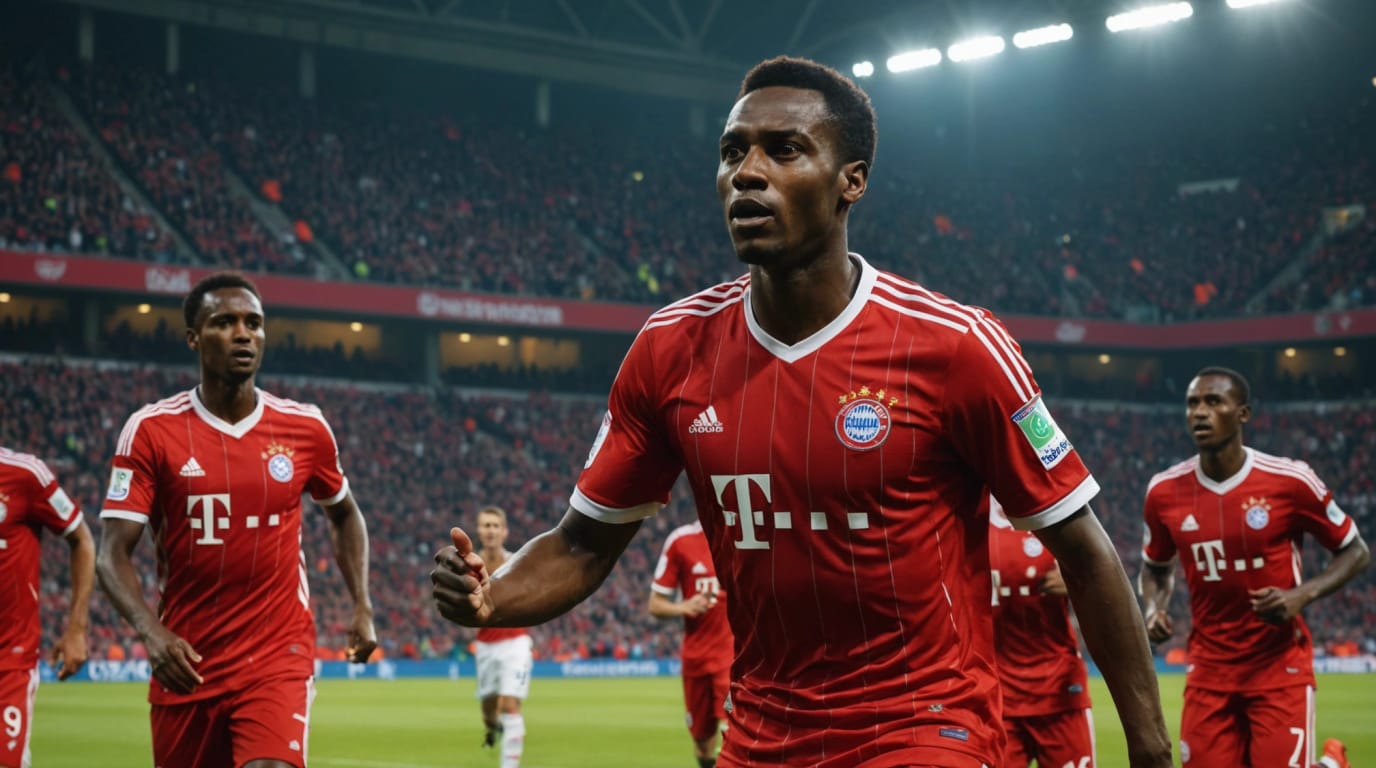
Bayern Munich, one of the world's most successful football clubs, has faced increasing scrutiny over its sponsorship agreement with Rwanda. The partnership, intended to promote tourism in the East African nation, has drawn criticism from human rights organizations and sparked debate among fans, raising questions about "sportswashing" and the ethical responsibilities of sports organizations.
The "Visit Rwanda" Deal
In August 2023, Bayern Munich announced a five-year partnership with the Rwanda Development Board (RDB), promoting the "Visit Rwanda" campaign. The deal aims to boost tourism in Rwanda and includes the display of the "Visit Rwanda" logo at Bayern Munich's Allianz Arena and the establishment of a football academy in Rwanda. While the financial details of the agreement remain undisclosed, similar partnerships are estimated to be worth millions of dollars annually.
Rwanda has similar deals with other prominent European football clubs, including Arsenal and Paris Saint-Germain (PSG). These partnerships are part of Rwanda's strategy to attract tourists and investors, generating substantial returns for the country. In 2022, Rwanda received over a million visitors, generating approximately $500 million in tourism revenue. The partnerships with Arsenal and PSG have reportedly generated over $160 million and attracted a million visitors, contributing an additional $445 million to the economy.
Accusations of Sportswashing
The sponsorship deal has been met with strong criticism from human rights organizations, who accuse Bayern Munich of "sportswashing" – using sports to improve the image of a country with a questionable human rights record. Critics point to Rwanda's human rights issues, including restrictions on freedom of expression, political repression, and allegations of involvement in conflicts in neighboring Democratic Republic of Congo (DRC).
Wenzel Michalski of Human Rights Watch called the agreement "a very, very bad choice," while Nick McGeehan of FairSquare Projects expressed surprise that Bayern Munich would enter into another controversial sponsorship deal after facing criticism for its previous partnership with Qatar Airways, which ended in June 2023.
Human Rights Concerns in Rwanda
Rwanda's human rights record has been a subject of concern for several years. Reports from organizations like Human Rights Watch and the U.S. Department of State highlight issues such as unlawful killings, torture, arbitrary detention, and restrictions on freedom of expression and assembly.
In February 2025, the DRC's foreign minister, Therese Kayikwamba Wagner, urged Arsenal, Bayern Munich, and PSG to end their sponsorship agreements with "Visit Rwanda," questioning the morality of such partnerships amid ongoing conflict in eastern Congo. She accused Rwanda of supporting the M23 rebels, whose capture of a major Congolese city led to thousands of deaths and immense human suffering. The UN has also reported that nearly 3,000 people have been killed in fighting in DRC after M23 rebels, allegedly backed by some 4,000 troops from Rwanda, seized the city of Goma.
Bayern Munich's Defense
Bayern Munich's CEO, Jan-Christian Dreesen, has defended the partnership, rejecting accusations of sportswashing. He argued that the deal aims to support youth soccer development in Rwanda and promote tourism, which can help combat poverty. Dreesen stated that he does not understand how Rwanda is investing money to create a better image through sportswashing, emphasizing that Rwanda's goal is to promote tourism. He also highlighted Bayern Munich's commitment to dealing with the partnership openly, sending coaches to Rwanda, and building a youth academy.
Fan Protests and Internal Divisions
Despite the club's defense, some Bayern Munich fans have protested the "Visit Rwanda" sponsorship. Banners displayed at games have criticized the deal, arguing that it damages the club's values. The partnership has also reportedly caused internal divisions within the club, with some members questioning the ethical implications of aligning with a country accused of human rights abuses.
Rwanda's Perspective
The Rwandan government views the partnerships with European football clubs as strategic investments rather than aid. They argue that these deals generate substantial returns by attracting tourists and investors, boosting the country's economy. Rwanda aims to attract more investors and increase tourism revenue through its association with prominent football clubs.
In response to criticism from the DRC, Rwanda has described the concerns raised about its sponsorship deals as a threat to regional peace and stability.
The Broader Context of Sports Sponsorships
The controversy surrounding Bayern Munich's partnership with Rwanda highlights the broader ethical considerations of sports sponsorships. As sports organizations increasingly rely on revenue from sponsorships, they face growing pressure to align with partners that uphold ethical standards and respect human rights. The debate raises questions about the extent to which sports clubs should be held accountable for the actions of their sponsors and the potential for sports to be used as a tool for political image management.
Conclusion
Bayern Munich's sponsorship deal with Rwanda remains a contentious issue, exposing the complex intersection of sports, politics, and human rights. While the partnership aims to promote tourism and support football development in Rwanda, it has also drawn criticism for potentially enabling sportswashing and aligning with a country accused of human rights abuses. As the debate continues, Bayern Munich faces the challenge of balancing its commercial interests with its ethical responsibilities, navigating the concerns of fans, human rights organizations, and political stakeholders. The situation underscores the growing scrutiny of sports sponsorships and the need for greater transparency and accountability in the relationships between sports organizations and their partners.