Bayreuth Festival at 150: A Tapestry of Grandeur, Ritual, and Enduring Reflection

BAYREUTH, Germany – The Bayreuth Festival, a venerable institution synonymous with the monumental operatic works of Richard Wagner, embarks on its 150th anniversary in 2026, marking a century and a half of unparalleled artistic devotion and intricate history. What began as a revolutionary endeavor by the composer himself has evolved into a global pilgrimage site for Wagner enthusiasts, steeped in unique traditions and a profound, often challenging, legacy. As the festival celebrates this significant milestone, it prompts a critical examination of its role not just as a cultural beacon but also as a complex tapestry woven with threads of ceremonial grandeur, artistic commemoration, and a past that demands continuous confrontation.
The Green Hill: A Sanctuary of Sound and Tradition
Nestled atop the "Green Hill" in Bayreuth, the Festspielhaus stands as a testament to Richard Wagner's audacious vision. Conceived and designed by the composer, the unique opera house, opened in 1876, was purpose-built to realize his concept of the Gesamtkunstwerk, or "total work of art." Its innovative architecture includes a hidden, recessed orchestra pit, dubbed the "mystic gulf," which ensures a perfectly blended sound that envelops the audience, allowing singers to project without straining against the massive Wagnerian orchestra. This acoustic marvel, coupled with a fan-shaped auditorium and wooden construction, creates an immersive experience found nowhere else in the world, making the Festspielhaus itself an integral part of the Wagnerian ritual.
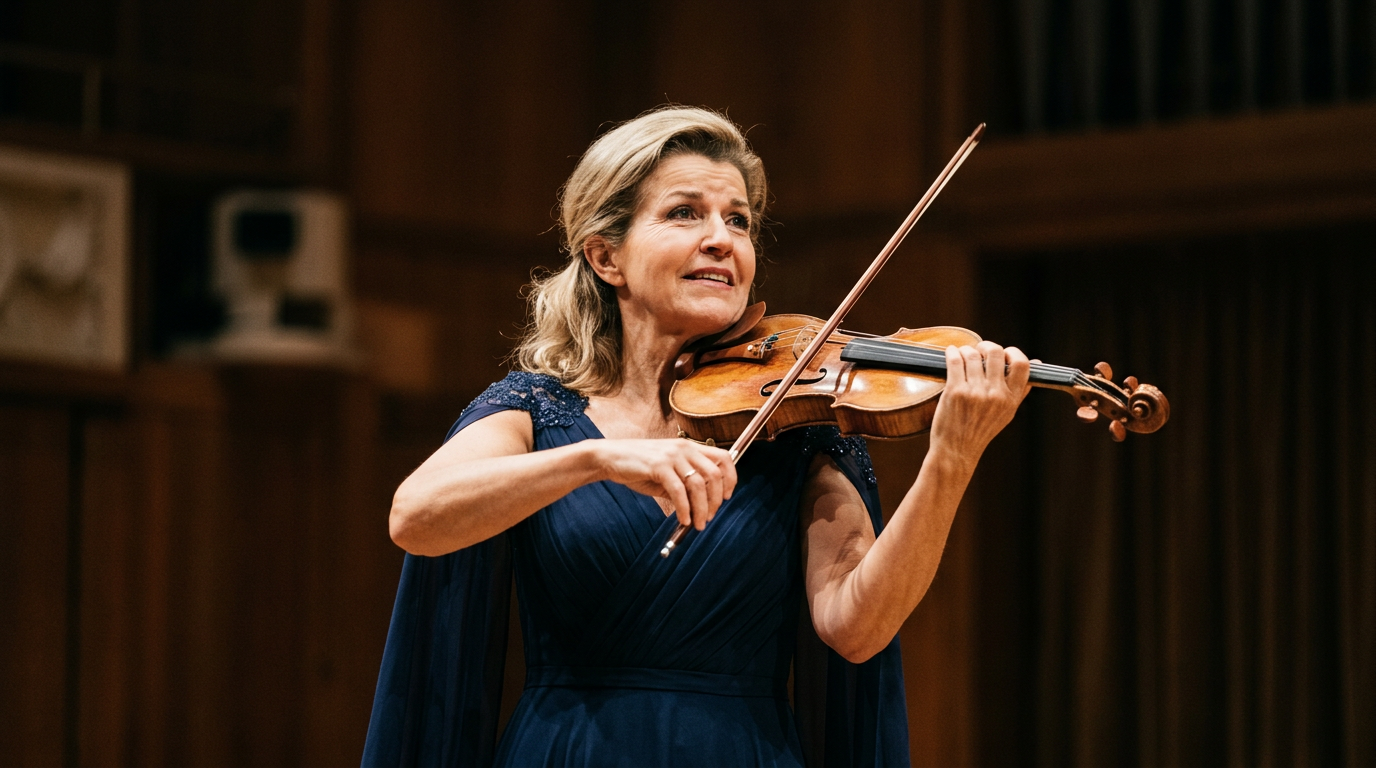
For 150 years, the festival has been exclusively dedicated to a canon of ten of Wagner's mature operas, ranging from "The Flying Dutchman" to "Parsifal," reinforcing its singular focus. The annual summer event is marked by distinctive ceremonies that have become traditions. Trumpeters and trombonists play fanfares from the balcony of the Festspielhaus 15, 10, and 5 minutes before each act, a practice dating back to the festival's inception. Audiences, often dressed in formal attire, gather for long intermissions on the Green Hill, frequently enjoying picnics. The atmosphere is one of intense anticipation and shared devotion, drawing some 60,000 visitors from around the globe annually, all vying for tickets that are among the most coveted in the world. Historically, the inaugural festival in 1876 attracted European monarchs, royalty, and a pantheon of artistic and intellectual luminaries, including Emperor Wilhelm I, Liszt, Brahms, Tchaikovsky, and Nietzsche, underscoring its immediate status as a significant cultural event.
Commemorating the Master: Artistic Innovation Amidst Tradition
The 150th anniversary season in 2026 serves as a profound moment to commemorate Richard Wagner's enduring artistic legacy. Wagner's revolutionary contributions to opera, particularly his innovative use of leitmotifs and his seamless integration of music, text, and drama, continue to shape the art form, with his narrative techniques even influencing contemporary cinema. His works delve into timeless themes of power, love, fate, and redemption, resonating with audiences across generations.
While deeply rooted in tradition, the Bayreuth Festival has also embraced artistic evolution. Following Wagner's death, his widow, Cosima, and later his son, Siegfried, maintained the festival's artistic direction, expanding the repertoire. In the post-war era, Wolfgang Wagner championed the "Werkstatt Bayreuth" (Bayreuth Workshop) concept, encouraging directors to experiment with new methods for presenting Wagner's operas. This approach has led to frequently controversial and bold productions that often spark heated debates, yet consistently shape international opera discussions, demonstrating the festival's commitment to re-examining and re-interpreting Wagner's works for contemporary audiences. The 2026 program, for instance, includes a new Ring production that will feature artistically generated AI projections, a significant technological innovation for the storied stage. Furthermore, the festival will honor its foundational history with a concert performance of Beethoven's Ninth Symphony, a tribute to the work Wagner himself conducted at the laying of the Festspielhaus foundation stone in 1872.
The Stain of History: Confronting the Nazi Past
No discussion of the Bayreuth Festival can be complete without confronting its challenging and deeply controversial history, particularly its association with antisemitism and the Nazi regime. Richard Wagner himself harbored virulent antisemitic views, a dark aspect of his personal legacy that continues to be debated. This disturbing facet of his biography became tragically intertwined with the festival's narrative, especially under the directorship of his daughter-in-law, Winifred Wagner, who maintained a close personal friendship with Adolf Hitler. Hitler, a fervent admirer of Wagner, became a frequent visitor to Bayreuth, transforming the festival into a platform for Nazi propaganda. During this period, the Festspielhaus displayed swastika banners, and audiences were sometimes observed giving Nazi salutes. Hitler even approved changes to the traditional 19th-century sets, marking an early departure from established production norms.
A particular point of contention in the 2026 anniversary program is the first-ever performance at the Festspielhaus of Wagner's early opera, Rienzi. This work holds a notorious place in history as Adolf Hitler's favorite opera, whose overture often opened Nazi Party Congresses. Its inclusion has reignited discussions about the festival's approach to its past, with critics questioning whether it adequately confronts this difficult heritage or risks inadvertently sanitizing it. Director Katharina Wagner, great-granddaughter of Richard Wagner, has notably used the anniversary to speak out against racism and any trivialization of history, emphasizing the need for continued reflection.
Dialogue and Reckoning: Bayreuth's Ongoing Self-Examination
Following World War II, the festival underwent a period of intensive reckoning. Winifred Wagner was banned, and her sons, Wieland and Wolfgang, took the helm, determined to distance the institution from its Nazi associations. Wieland Wagner initiated the "New Bayreuth" style, which introduced minimalist and abstract productions that sharply contrasted with the elaborate, naturalistic sets of the pre-war era. This radical shift, initially met with audience boos, aimed to strip away historical baggage and refocus on the psychological and dramatic core of Wagner's works.
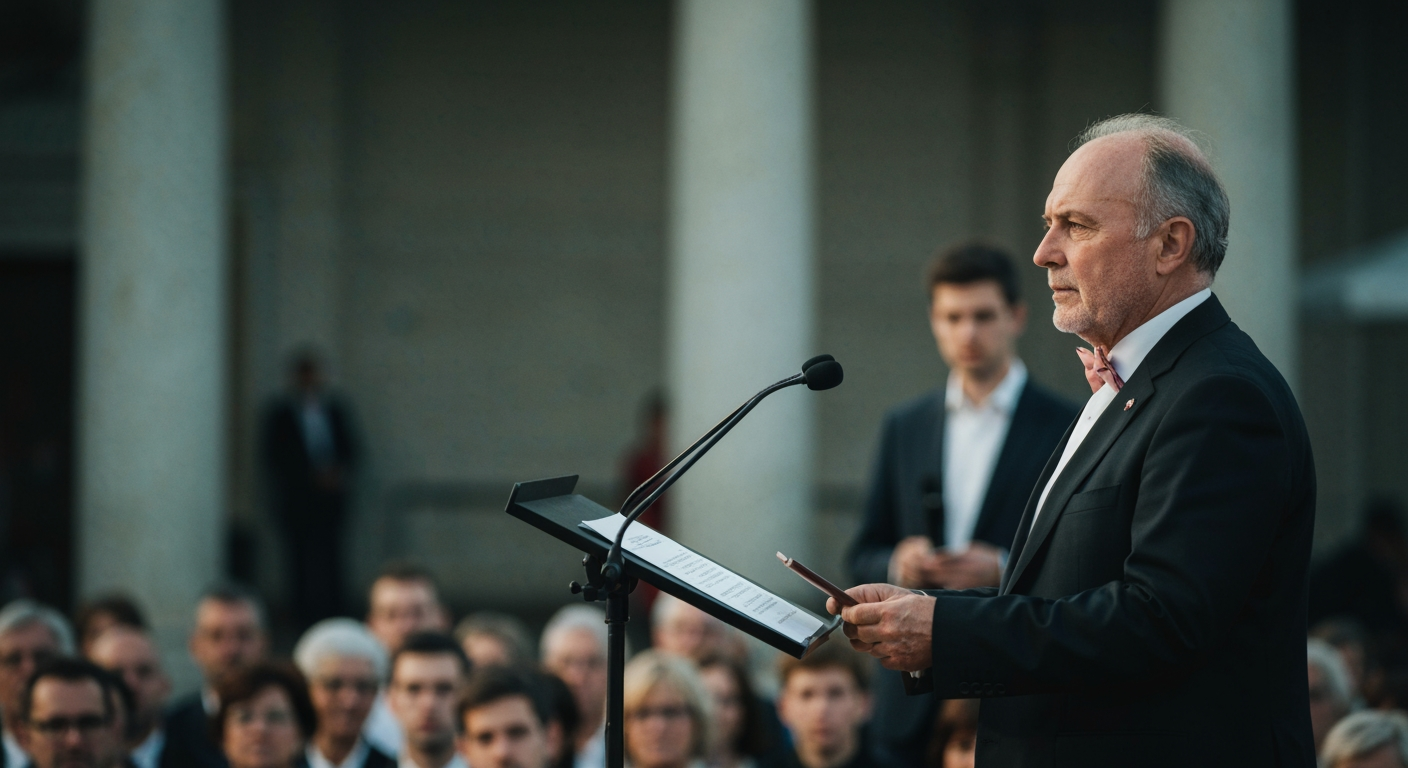
Today, the festival continues its complex process of self-examination. Plaques near the Festspielhaus memorialize the Jewish singers and musicians who performed there before the Second World War, serving as a tangible acknowledgment of historical injustice. The "Diskurs Bayreuth" series, established in 2017, provides a dedicated forum for artistic and scientific reflection on Richard Wagner as a cultural-historical phenomenon, exploring themes of tradition, cultural memory, and the enduring impact of his controversial figure. A recent incident involving the temporary disinvitation and subsequent reinstatement of Jewish public intellectual Michel Friedman to deliver a memorial speech on Wagner's antisemitism underscored the ongoing tension and the festival's struggle to fully confront its uncomfortable truths.
A Legacy of Paradox: The Future of the Green Hill
As the Bayreuth Festival marks its 150th anniversary, it stands as a unique cultural paradox: a sacred space for artistic genius inextricably linked to a profound historical burden. The celebration is not merely an homage to Wagner's musical mastery but also a crucial opportunity to pause and reflect on the entirety of its past. The festival's enduring power lies in its commitment to continuous artistic renewal and its, often challenging, engagement with its own complex narrative. By balancing deep-rooted traditions with daring innovations and fostering open dialogue about its historical complexities, the Bayreuth Festival endeavors to honor its founder's artistic legacy while never shying away from the intricate and often dark chapters that define its place in German and global cultural history.
Related Articles


Yayoi Kusama, Visionary Artist Whose Polka Dots and Infinity Rooms Transformed Modern Art, Dies at 97
TOKYO – Yayoi Kusama, the avant-garde Japanese artist whose kaleidoscopic visions of polka dots, immersive "Infinity Mirror Rooms," and profound exploration of mental health captivated global audiences for over six...

Martin Walser: Germany's Acclaimed Author and Enduring Enigma
Martin Walser, a literary titan whose prolific career spanned decades and garnered numerous accolades, carved out a unique and often contentious space within German letters. While celebrated for his keen observations of...