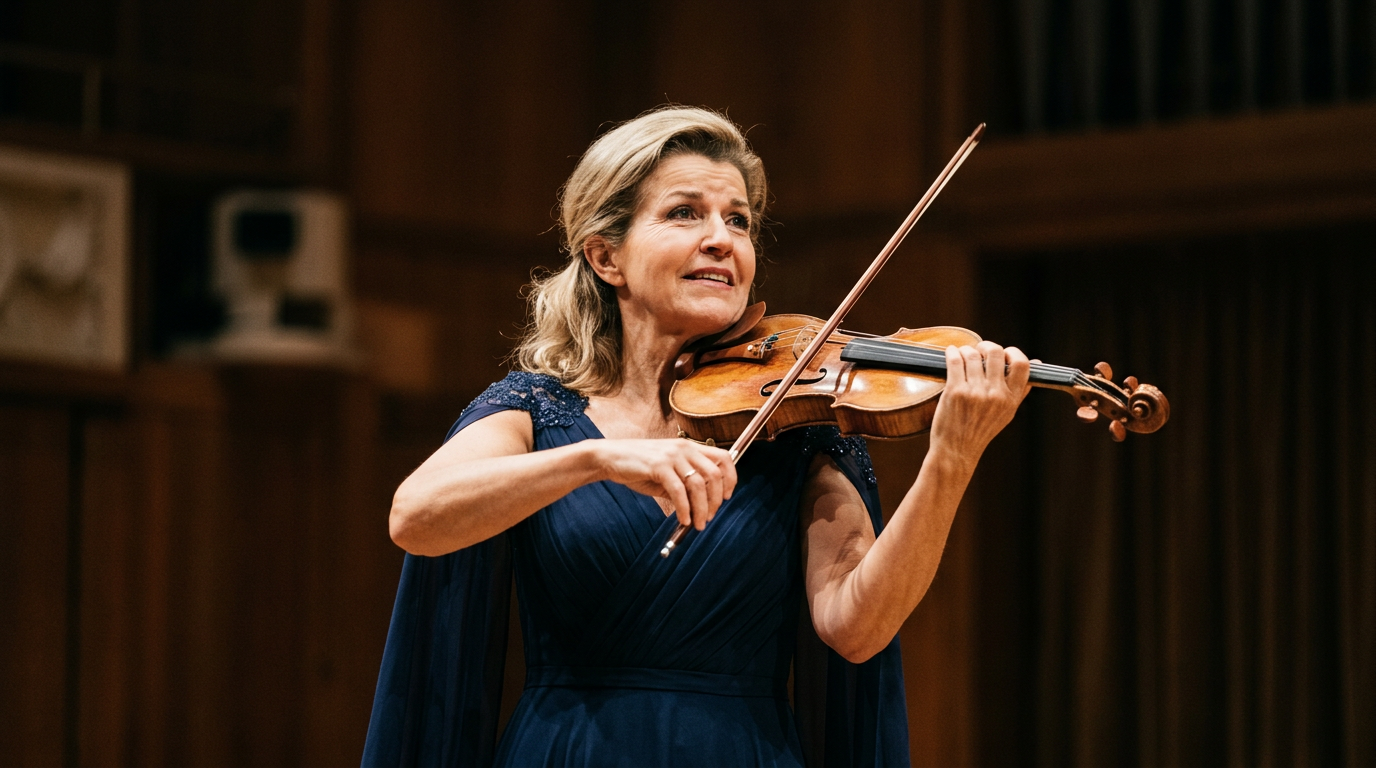
Bayreuth Festival Grapples with its Troubled Past as "Hitler's Favorite Opera" Takes the Stage

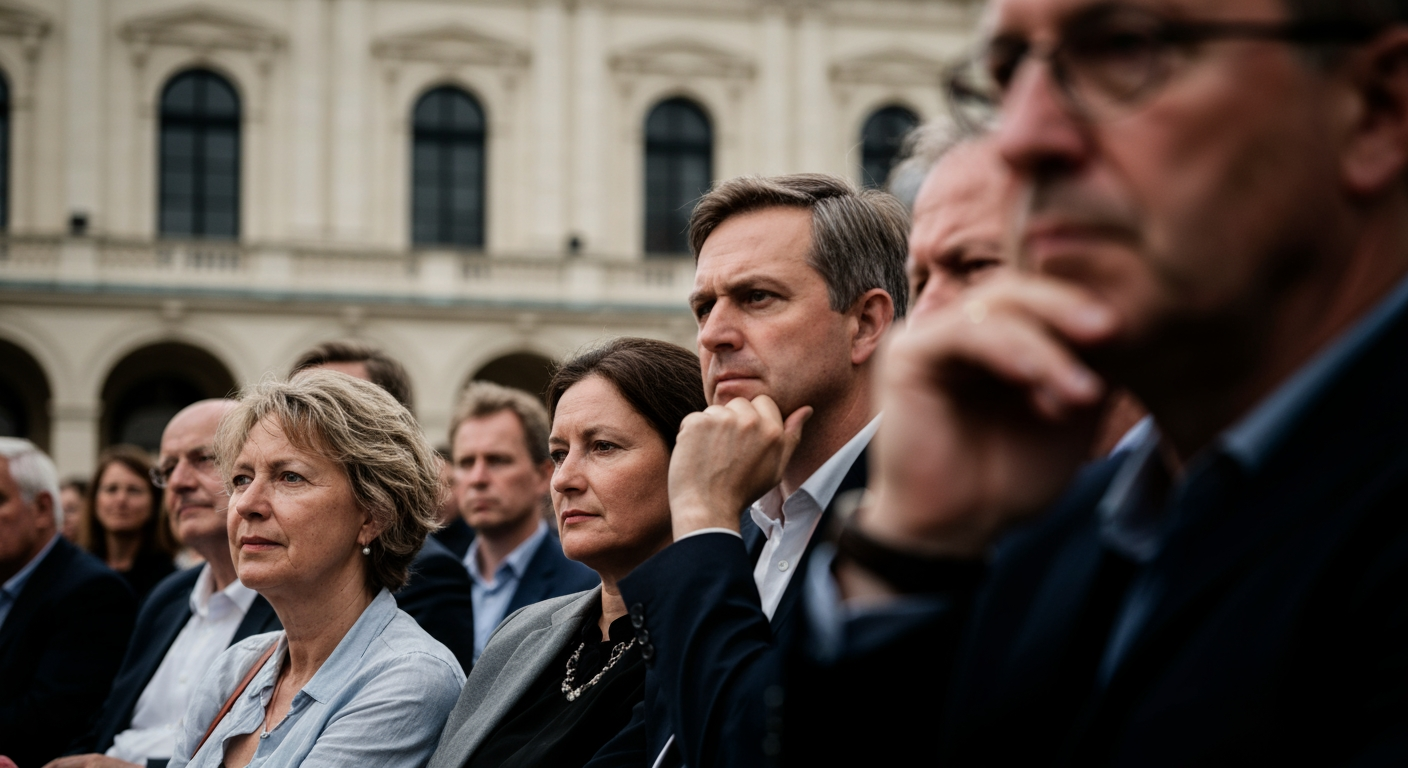
BAYREUTH, Germany — The Bayreuth Festival, a venerable institution dedicated to the works of Richard Wagner, finds itself once again confronting the indelible stain of its past as it stages Rienzi, an opera deeply intertwined with Adolf Hitler's early rise to power and the Nazi regime. As the festival marks its 150th anniversary, the decision to include Rienzi in its canon for the first time has reignited a critical examination of how to reconcile artistic brilliance with a history of ideological exploitation. This year's program aims to navigate the complex legacy of Wagner, whose music enchanted a dictator, by presenting challenging interpretations and fostering open dialogue about the festival's deeply problematic history.
Wagner's Vision and the Seeds of Antisemitism
Richard Wagner conceived the Bayreuth Festival in 1876 as a unique platform for his monumental stage works, notably Der Ring des Nibelungen and Parsifal, to be performed in his specially designed Festspielhaus. His vision aimed to revolutionize theater, rejecting contemporary repertory practices in favor of an immersive artistic experience. However, Wagner's artistic genius was inextricably linked with virulent antisemitism, expressed most notably in his 1850 essay, Das Judenthum in der Musik (Judaism in Music). In this inflammatory tract, Wagner asserted that Jewish musicians were incapable of genuine creativity and were a "corrosive influence" on German culture.
Following Wagner's death, his widow Cosima, and later the "Bayreuth Circle," continued to propagate nationalistic and antisemitic ideologies, elevating Wagner's ideas to a near-sacred status. While Wagner's son, Siegfried, attempted to counteract this by employing Jewish singers and musicians from 1925, his death in 1930 ushered in a darker chapter.
Hitler's Cult of Wagner and the Festival's Exploitation
The ascension of Winifred Wagner, Siegfried's English-born widow, to the festival's directorship in 1930 cemented its ill-fated connection with Adolf Hitler. Hitler, a fervent admirer of Wagner's music, established a close personal friendship with Winifred, becoming a frequent guest at the Wagner family home, Villa Wahnfried, where he was affectionately known as "Uncle Wolf" by her children. This intimate relationship facilitated the festival's transformation into a potent instrument of Nazi cultural propaganda.
Hitler saw in Wagner's operas themes of charismatic leadership and mass mobilization, viewing many of the composer's heroes as reflections of his own self-perception as a leader and savior. The overture to Rienzi, Wagner's early opera about a populist Roman tribune, notably became a regular fixture at Nazi Party rallies, symbolizing the regime's aspirations. Die Meistersinger von Nürnberg was also heavily promoted, performed as a "folklorist Reich political convention" and an opera encouraging perseverance during the war years. The festival received government assistance and tax-exempt status, and from 1937, the Nazi organization "Power through Joy" sent workers, including plumbers, accountants, and farmers, to attend, thereby promoting a "people's community" among the racially superior. During World War II, the Festspielhaus regularly hosted the Nazi elite, with later festivals even dedicated to recuperating soldiers and munitions workers.
While Rienzi became deeply associated with Hitler, Parsifal, with its themes of redemption through compassion, was less favored by the Nazis and even considered "ideologically unacceptable" by some during the regime. It was largely absent from Bayreuth's repertoire during this period.
Post-War Reckoning and the "New Bayreuth"
With the collapse of the Third Reich, the festival faced an urgent need for reckoning. Winifred Wagner, despite her unrepentant loyalty to Hitler, was banned from leadership. In 1951, the festival reopened under the direction of Wagner's sons, Wieland and Wolfgang Wagner, who sought to make a "clean break" from the Nazi era. This ushered in the era of "New Bayreuth," characterized by revolutionary minimalist staging that dramatically departed from the elaborate naturalistic sets of the past. Wieland Wagner, in particular, aimed to strip away the ideological baggage by focusing on universal themes and psychological depth, often to the consternation of traditional Wagnerians.
The 1951 reopening was symbolic, featuring Beethoven's Ninth Symphony, a non-Wagnerian work, followed by Parsifal, a careful choice given the heavy Nazi associations of Die Meistersinger. Efforts to confront the past continue to this day, exemplified by initiatives like the "Silenced Voices" exhibition, which honors the Jewish musicians who performed at the festival before World War II.
Modern Interpretations and Enduring Debates
The Bayreuth Festival continues its complex journey, striving to balance artistic tradition with a conscious confrontation of its history. Modern interpretations often treat operas like Rienzi not as heroic tales, but as cautionary studies of populism and the corrupting nature of power, sometimes transposing the setting to contemporary electoral politics. The 2026 staging of Rienzi is particularly significant as it marks the opera's first-ever inclusion in the festival's official canon, presented as a "one-time-only premiere." Directors increasingly employ deconstructive and post-dramatic approaches, seeking new interpretative potential in Wagner's works and challenging established norms. The festival actively positions itself against right-wing populism, racism, and antisemitism, with director Katharina Wagner emphasizing the need to "take tradition seriously without glorifying it" to prevent the future from repeating the "darkness of the past."
Today, Bayreuth sees itself more as a "Wagner workshop" than a "temple," fostering a dynamic environment for exploring the enduring relevance and challenging aspects of Wagner's oeuvre. This ongoing dialogue reflects the festival's commitment to acknowledging its troubled past while continuing to push the boundaries of operatic interpretation, ensuring that the legacy of Wagner is engaged with critically, rather than uncritically celebrated.
Related Articles


Yayoi Kusama, Visionary Artist Whose Polka Dots and Infinity Rooms Transformed Modern Art, Dies at 97
TOKYO – Yayoi Kusama, the avant-garde Japanese artist whose kaleidoscopic visions of polka dots, immersive "Infinity Mirror Rooms," and profound exploration of mental health captivated global audiences for over six...

Martin Walser: Germany's Acclaimed Author and Enduring Enigma
Martin Walser, a literary titan whose prolific career spanned decades and garnered numerous accolades, carved out a unique and often contentious space within German letters. While celebrated for his keen observations of...