Belarus Releases Nobel Laureate, Over 100 Political Prisoners in U.S.-Brokered Deal
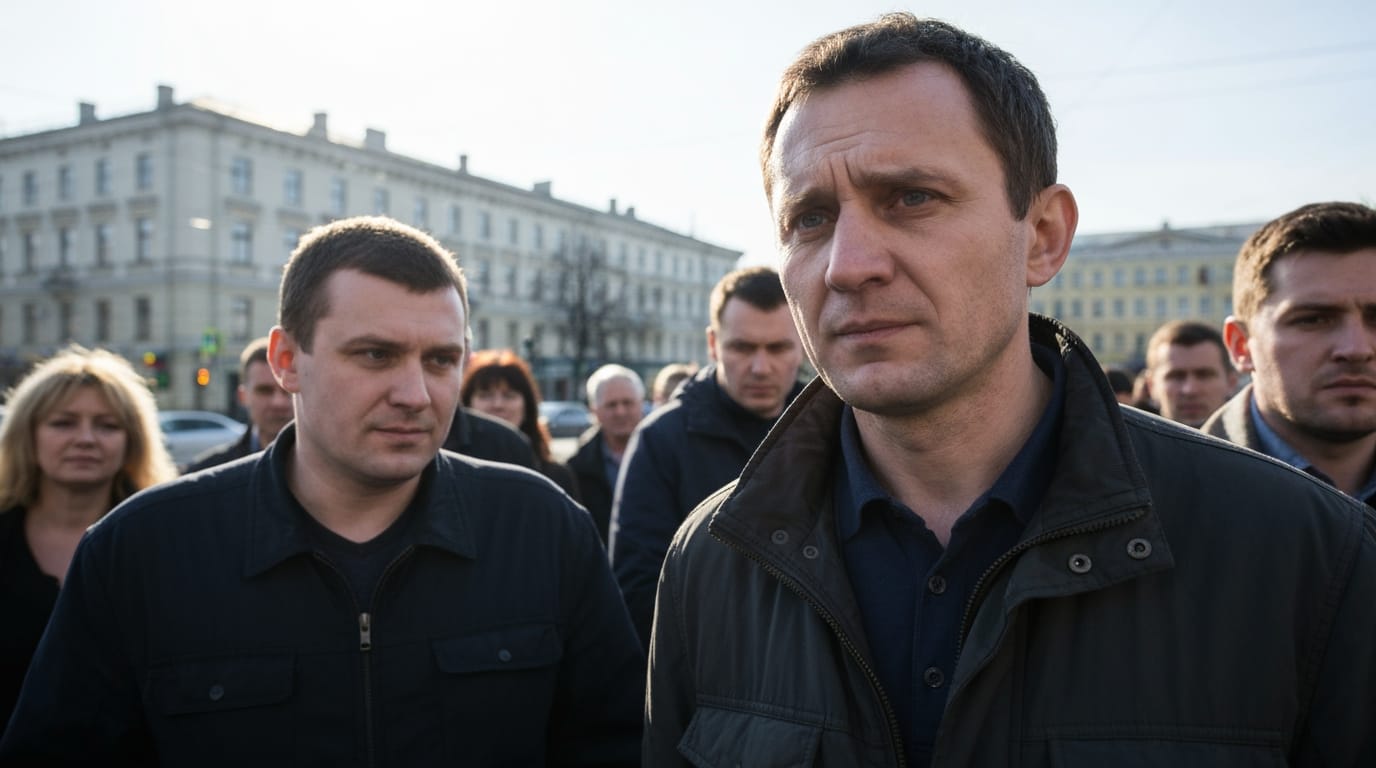
MINSK – In a significant diplomatic maneuver, Belarus on Friday, December 13, 2025, released 123 political prisoners, including the internationally acclaimed Nobel Peace Prize laureate Ales Bialiatski and prominent opposition figure Maria Kalesnikava. The large-scale amnesty, described by observers as the most extensive since the widespread crackdown on dissent following the disputed 2020 presidential elections, comes as part of a deal brokered with the United States, which concurrently announced the lifting of sanctions on Belarus's crucial potash sector. While the releases offer a glimmer of hope for hundreds still languishing in Belarusian jails, human rights advocates caution that the underlying issues of systematic repression and the pervasive human rights crisis in the nation persist, underscoring a calculated move by Minsk to ease international isolation.
A Landmark Release Amidst Diplomatic Thaw
The comprehensive release on Friday saw 123 individuals, including Nobel Peace Prize winner Ales Bialiatski, opposition leader Maria Kalesnikava, and former presidential candidate Viktar Babaryka, walk free. The freed prisoners also included a diverse group of foreign nationals, such as Ukrainian, Lithuanian, Polish, Latvian, and Australian citizens, who had been incarcerated on charges widely denounced as politically motivated. This notable event follows discussions between Belarusian authorities and a delegation from the United States, led by Special Envoy John Coale, marking a crucial step in the often-strained relationship between Minsk and Washington.
The breakthrough materialized as the U.S. announced the lifting of sanctions targeting Belarus's potash industry, a vital economic sector for the Eastern European nation. Belarusian state media, referencing agreements made with U.S. President Donald Trump, explicitly linked the pardons to the sanctions relief, suggesting a direct quid pro quo. This latest move is part of a series of smaller releases that have seen hundreds of political prisoners pardoned by President Alexander Lukashenka since July 2024, ostensibly as part of an effort to thaw relations with the European Union and the United States. Earlier in June 2025, an additional 14 political prisoners, including opposition politician Siarhei Tsikhanouski, were released following U.S.-brokered negotiations, with some transferred to neighboring Lithuania.
Ales Bialiatski: A Symbol of Enduring Resistance
Among those released, the freedom of Ales Bialiatski, the 2022 Nobel Peace Prize laureate and founder of the Viasna Human Rights Center, carries profound symbolic weight. Bialiatski, a tireless advocate for democracy and human rights in Belarus for decades, was arrested in July 2021 alongside several Viasna colleagues during a sweeping crackdown on civil society organizations. In March 2023, he was sentenced to 10 years in prison on fabricated charges of "smuggling" and "financing actions that grossly violate public order," a verdict widely condemned by international bodies and human rights groups as politically motivated retribution for his activism.
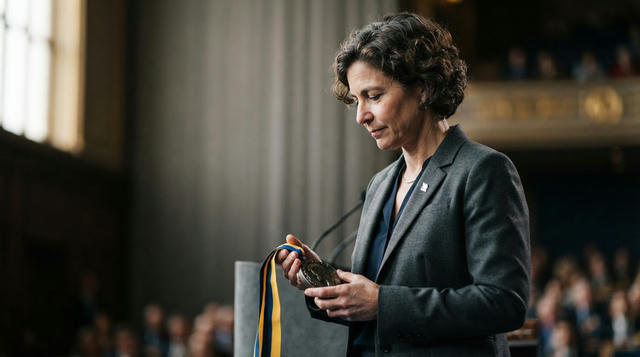
His incarceration did not deter the international community from recognizing his immense contributions; he was awarded the Nobel Peace Prize in October 2022 while still behind bars. Reports from human rights organizations prior to his release indicated that Bialiatski, along with other political prisoners, faced harsh conditions, including inadequate medical care and limited contact with the outside world. Maria Kalesnikava, another pivotal figure in the 2020 protests and a key leader in the opposition, was also among those pardoned. Her release, confirmed by her sister Tatsiana Khomich, signifies the freedom of another high-profile critic of the Lukashenka regime who had endured similar politically motivated imprisonment.
The Calculus Behind Minsk's Move
The decision by President Lukashenka to release such a significant number of political prisoners is widely interpreted as a calculated strategic play rather than a sudden shift towards genuine reform. Analysts suggest that Lukashenka aims to improve his nation's strained relations with Western countries, particularly the United States, and to alleviate the burden of crippling sanctions. Belarus has faced extensive Western sanctions for years, notably since the brutal crackdown on pro-democracy protests in 2020 and for its support of Russia's invasion of Ukraine in 2022. The lifting of sanctions on the potash sector provides much-needed economic relief for Minsk.
Human rights organizations, including Human Rights Watch and the Atlantic Council, have consistently characterized the political prisoners as "bargaining chips" used by the Lukashenka regime to gain leverage in international negotiations and seek an easing of its diplomatic isolation. The timing of the release, coinciding with high-level talks with U.S. envoys, reinforces this perspective. Furthermore, with presidential elections anticipated in 2025, some suggest that Lukashenka may also be seeking to project a more benevolent image domestically, though without fundamentally altering the authoritarian nature of his rule.
The Shadow of Repression Lingers
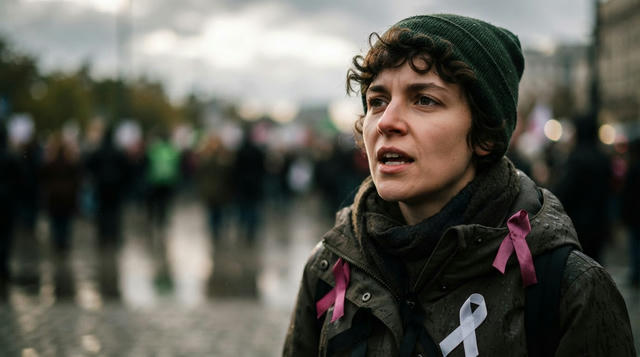
Despite the encouraging development of these releases, the human rights situation in Belarus remains dire. Over 1,000 political prisoners are estimated to still be behind bars, with figures ranging from 1,150 to 1,275 according to various human rights groups. This stark reality underscores that politically motivated repression continues unabated, four years after the mass protests of 2020.
Reports indicate ongoing ill-treatment, psychological pressure, and incommunicado confinement for those still detained. There have also been disturbing accounts of political prisoners dying in custody due to inadequate medical care, highlighting the severe risks faced by those imprisoned for their beliefs. Many released prisoners are immediately deported from Belarus, often to Lithuania, suggesting a continued effort to remove dissenting voices from the country rather than integrate them back into society. International observers, including the European Union, have consistently reiterated that while any release is welcome, true normalization of relations with Belarus requires the immediate and unconditional release of all political prisoners and a commitment to genuine democratic reforms.
The latest releases represent a significant humanitarian gesture from Minsk, offering freedom to individuals who have endured years of unjust imprisonment. However, the move is deeply intertwined with the geopolitical calculus of the Lukashenka regime, seeking to alleviate economic pressure and improve its international standing. While the freedom of Ales Bialiatski and other prominent figures is a victory for human rights, the underlying system of repression in Belarus remains firmly in place. The international community, while acknowledging these pardons, maintains that sustained pressure is crucial for the release of all remaining political prisoners and for fostering a future where fundamental freedoms are respected in Belarus.