Berlin Confronts Rising Tide of Far-Right Youth Extremism
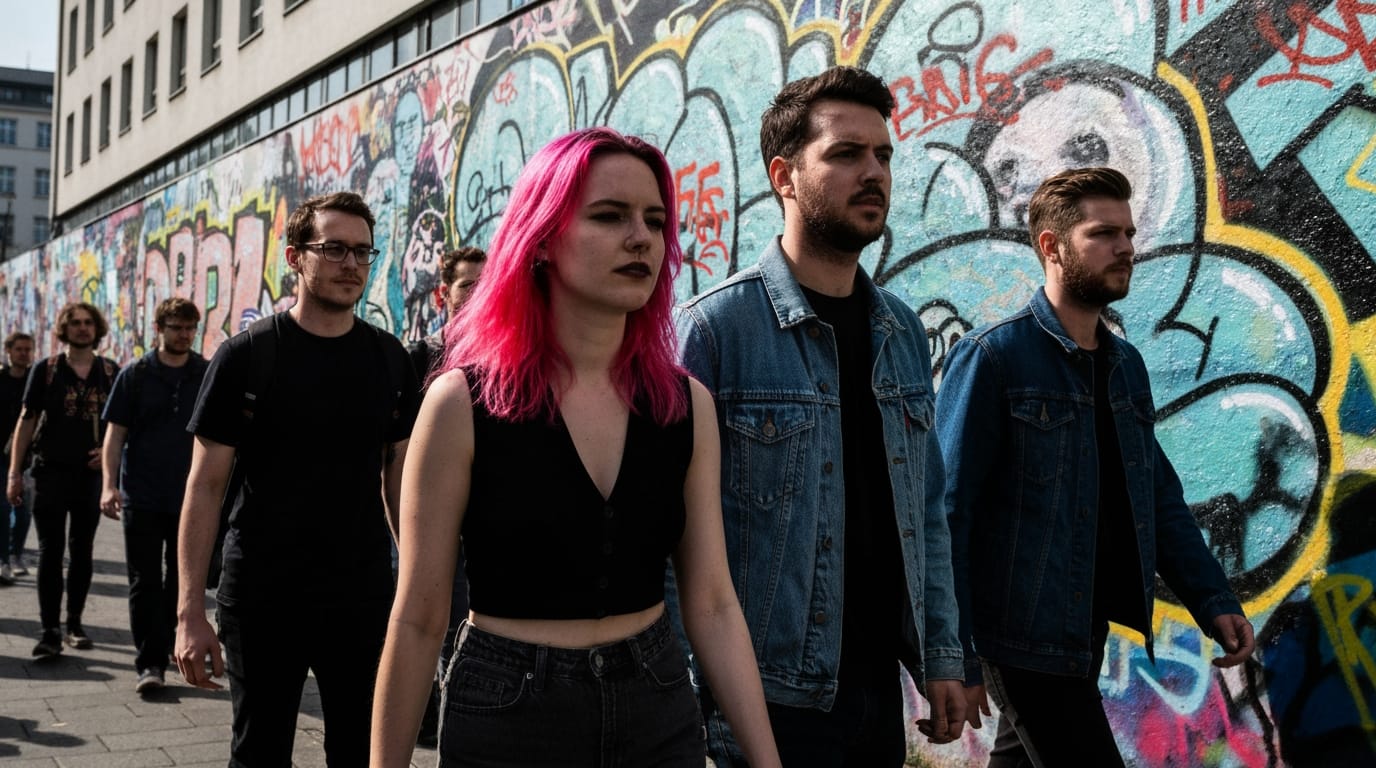
Berlin, Germany – A disquieting trend is taking root in Germany, particularly within its vibrant capital, as a growing number of young people are increasingly drawn to far-right ideologies and movements. This shift, noted across the country, signals a profound challenge to Germany's democratic foundations, prompting a multi-faceted response from authorities and civil society organizations determined to prevent the radicalization of its youth. The rise of these groups, ranging from the youth wings of established far-right parties to clandestine neo-Nazi cells, is fueled by a complex interplay of socioeconomic anxieties, sophisticated online recruitment, and targeted propaganda.
The Disturbing Lure of Extremism for Germany's Youth
The far-right Alternative for Germany (AfD) party has seen a notable surge in support among younger demographics, particularly in the eastern regions of the country. In recent European elections, 16- and 17-year-olds who cast their ballots for the first time showed increased backing for the AfD. This electoral success is mirrored by the emergence of new, more extreme, and often violent youth formations. The AfD recently established a new youth wing, "Generation Germany" (GD), following the disbandment of its predecessor, the "Young Alternative" (JA), which had been classified as right-wing extremist by the Interior Ministry. Despite this restructuring, the ministry has indicated that "Generation Germany" continues to maintain extremist links, raising concerns about the party's efforts to cultivate future leaders within a radical framework.
Beyond formal political structures, loosely organized neo-Nazi youth groups are also gaining traction. Organizations such as "Deutsche Jugend Voran" (German Youth Forward) and "Jung & Stark" (Young & Strong) have been identified as active in Berlin and across Germany. These groups are accused of orchestrating violence, engaging in intimidation tactics, and actively seeking to claim public spaces, particularly in East Berlin. Their modus operandi often involves attacking political opponents and others they deem undesirable, with some members facing charges for violent assaults. A recent nationwide series of raids targeted members of these groups, underscoring the severity of the threat posed by their organized violent activities and online coordination.
Online Echo Chambers: A New Frontier for Radicalization
The digital landscape has become a critical battleground in the fight against youth extremism. Far-right groups are adept at leveraging social media platforms like TikTok, YouTube, and Telegram to reach and radicalize young audiences. Their online content often focuses on themes of protest, fitness, and identity, presenting a "youth-friendly" image that belies their extremist agendas. This sophisticated use of social media allows for rapid radicalization, with processes that once took months or years now occurring in mere days or even hours due to the pervasive nature of extremist short-form propaganda. Algorithms on these platforms exacerbate the issue by channeling impressionable youth towards increasingly emotionally charged content, bypassing traditional gatekeepers like parents and educators.
These groups exploit contemporary anxieties, including concerns over inflation, expensive housing, and perceived rising crime rates, intertwining them with anti-immigrant and nativist narratives. The AfD's youth wing, for instance, has specifically targeted the lingering impact of anti-pandemic measures, arguing that an entire generation had their youth "taken away," thereby tapping into a sense of disillusionment and grievance among young people. This strategic messaging, combined with the accessibility of online platforms, creates fertile ground for radicalization.
Germany's Comprehensive Counter-Extremism Strategy
In response to this growing threat, German authorities and civil society have implemented a comprehensive array of measures. The federal government employs a holistic strategy that combines robust security tasks with extensive preventive action and democracy promotion initiatives. This approach includes efforts to dismantle extremist networks by cutting off their financial resources and, in some cases, pursuing legal bans against organizations that undermine democratic order. Germany's highest court, for example, has ruled that parties like the neo-Nazi National Democratic Party (NPD), now "Die Heimat," can be stripped of state funds due to their anti-democratic politics, setting a precedent that could be applied to other extremist groups.
Crucially, civil society plays a vital role in mobilizing against the far-right. Large-scale public protests have erupted across Germany against the AfD, signaling widespread rejection of extremist ideologies. Non-governmental organizations, such as the Amadeu Antonio Stiftung, are actively involved in promoting democracy and counteracting extremist narratives.
Educational and social interventions form another cornerstone of Germany's strategy. The country's counter-extremism work, deeply rooted in its post-Holocaust history, extends beyond traditional classroom settings. It integrates counter-extremism education into local arts programs, football teams, concerts, and collaborations with religious groups. Teachers and youth workers receive specialized training to recognize and address early signs of radicalization among young people. Furthermore, "mobile advisor" centers are deployed to support communities affected by extremist violence or propaganda, offering direct assistance and guidance.
Safeguarding Vulnerable Children and Future Generations
A particularly sensitive aspect of this struggle involves protecting children who are raised within right-wing extremist households. Experts warn that parents linked to these groups may actively indoctrinate their children, exposing them to neo-Nazi literature, music, and toys, and instilling prejudice against ethnic, religious, and sexual minorities. These children may be isolated from democratic environments and multicultural influences, with some extremist groups even attempting to establish their own educational institutions to ensure the intergenerational transmission of their ideology. Reports suggest that neo-Nazi youth camps exist where children are subjected to ideological indoctrination, survival training, and even combat drills.
There is an urgent call for greater resources and training for front-line practitioners, including social workers, child welfare services, educators, and health professionals, to better identify and support these vulnerable children. Enhancing the resilience and well-being of children in such environments is crucial to prevent them from being instrumentalized for extremist purposes and to ensure their social participation in a democratic society.
A Continual Vigilance
The fight against the far-right youth scene in Berlin and across Germany is an ongoing and evolving challenge. The sophisticated recruitment tactics, particularly online, coupled with deep-seated societal anxieties and historical regional disparities, underscore the complexity of the issue. While the coordinated efforts of law enforcement, government initiatives, and robust civil society engagement offer a powerful bulwark, the trend of youth radicalization necessitates sustained vigilance and adaptive strategies. As Germany navigates these turbulent waters, its commitment to a "defensive democracy" remains paramount, requiring continuous investment in education, social cohesion, and the proactive protection of its youngest citizens from the allure of extremism.