Berlin Doctor Faces Murder Charges in Multiple Patient Deaths
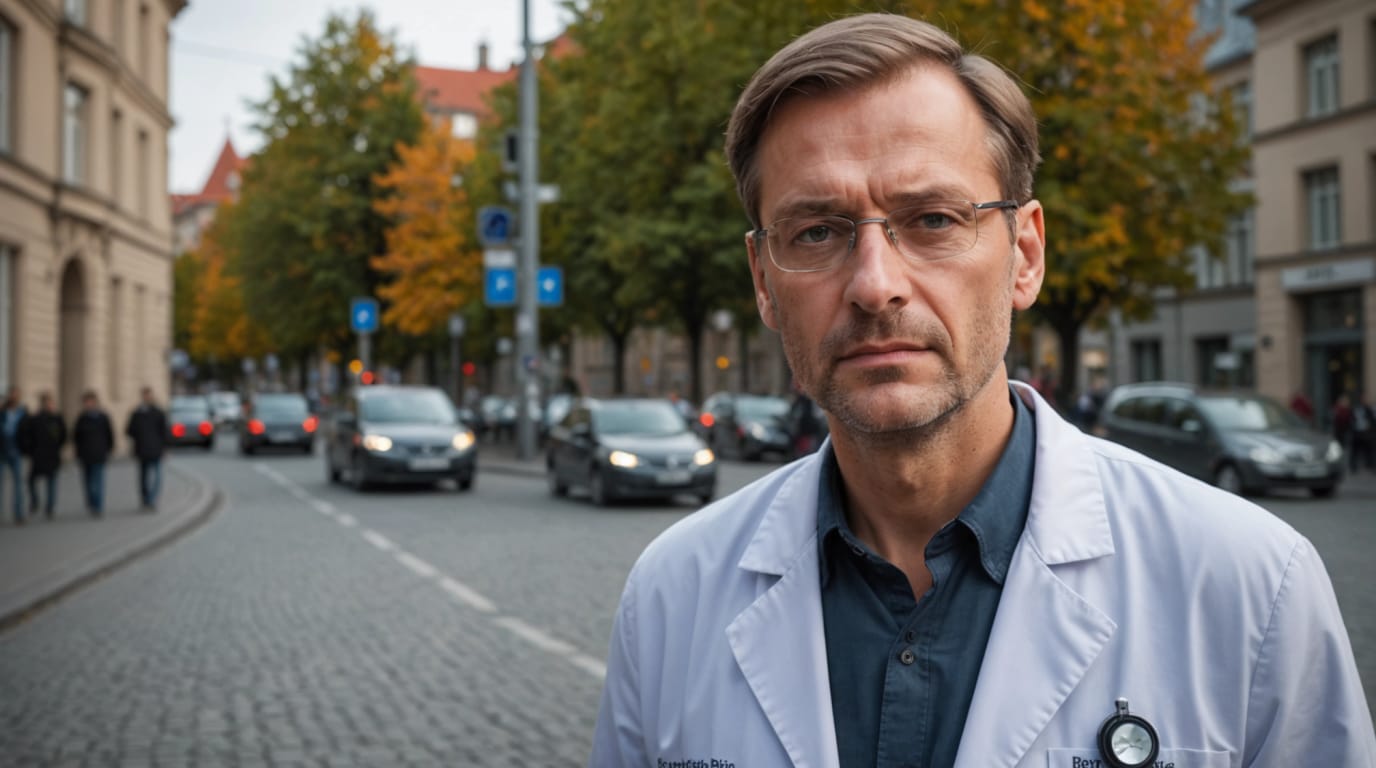
BERLIN – A Berlin doctor, initially arrested in August 2024 on suspicion of killing four elderly patients, now faces accusations of murdering a total of 10 patients and attempting to conceal evidence by starting fires in five instances, according to investigators. The case has sent shockwaves through the German healthcare system and raised serious questions about patient safety and oversight.
Initial Arrest and Escalating Suspicions
The unidentified 40-year-old doctor, who was part of a nursing service's palliative care team, first came under scrutiny for the deaths of four elderly patients in June and July of last year. Authorities suspected the doctor of then trying to cover up the crimes by setting fire to the patients' apartments, with varying degrees of success. These initial suspicions led to an arrest and the beginning of a complex investigation.
In November 2024, investigators announced they had uncovered evidence linking the doctor to four additional deaths. Further examination of patient files and forensic investigations, including exhumations, revealed two more alleged victims, bringing the total number of suspected murders to ten as of February 2025.
Details of the Alleged Crimes
The two most recently discovered cases involve the death of a 25-year-old woman in her Berlin apartment in September 2021 and a 57-year-old woman in June 2024. In both instances, the doctor is suspected of administering lethal mixtures of drugs with the intent to kill. Prosecutors and police, in a joint statement, said the accused appeared to have no motive beyond the act of killing itself, characterizing the suspect's actions as driven by "lust for murder." The alleged killings spanned from September 2021 to the summer of 2024.
Authorities have not released the suspect's name, adhering to German privacy laws. They have also indicated that the doctor has not yet responded to the allegations.
Call for Information and Expanded Investigation
As the investigation widens, police have appealed to former colleagues of the suspect and relatives of care recipients who may have suspicions about patient deaths to come forward. This plea suggests authorities believe there may be more victims yet to be identified.
Reports indicate that police are reviewing the files of approximately 40 other deceased patients for potential links to the doctor. If these investigations confirm further victims, this case could become one of the largest series of murders in German post-war medical history.
Echoes of Past Scandals
This case evokes memories of other notorious incidents involving healthcare professionals in Germany. The most prominent is that of Niels Hoegel, a nurse sentenced to life in prison in 2019 for murdering 85 patients under his care. Hoegel, considered one of Germany's most prolific serial killers, administered lethal injections to hospital patients between 2000 and 2005.
More recently, in 2023, a 27-year-old male nurse named Mario G. received a life sentence for murdering two patients by deliberately administering unprescribed drugs and was found guilty of six counts of attempted murder. These past cases highlight systemic vulnerabilities within the healthcare system and raise concerns about the effectiveness of existing safeguards.
Implications and Future Outlook
The Berlin doctor's case has ignited a national debate about patient safety, the psychological screening of healthcare professionals, and the oversight mechanisms in place to prevent such tragedies. Experts are calling for stricter regulations, more thorough background checks, and increased monitoring of medical staff, particularly those working in palliative care settings where patients are often vulnerable.
The investigation is ongoing, and the full extent of the doctor's alleged crimes remains to be seen. However, the case has already had a profound impact on public trust in the medical system and will likely lead to significant reforms in the way healthcare is administered and monitored in Germany. The legal proceedings and any potential trial will be closely watched, as they could set precedents for future cases involving medical professionals accused of harming patients.


