Berlin Pride Attack: A City Grapples with Terror, Questions, and the Fight Against Misinformation
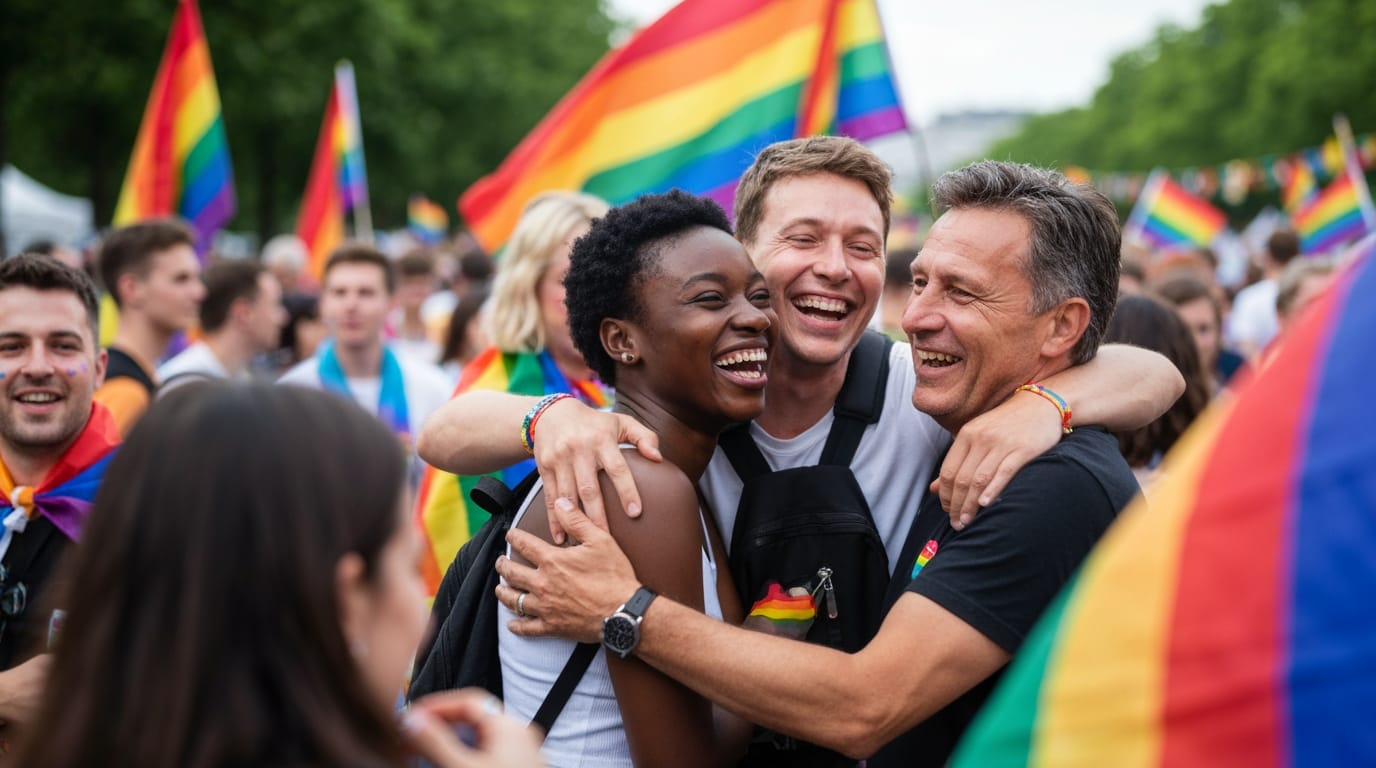
Berlin, Germany – The vibrant celebrations of Berlin's Christopher Street Day (CSD) on July 25, 2026, were tragically cut short when a vehicle plowed into a crowd near the Brandenburg Gate, an act German authorities swiftly classified as an Islamist terrorist attack. The assault, which killed one woman and injured 29 others, plunged Germany into mourning and ignited a national debate over security, the justice system, and the urgent need to combat misinformation in the wake of such violence.
The Night of the Attack: Chaos Amidst Celebration
The incident unfolded shortly before 10 p.m. local time on Saturday, July 25, as hundreds of thousands were concluding a day of peaceful demonstration and festivity for Berlin Pride. A white van veered into a crowd on the southern edge of Tiergarten Park, not far from the iconic Brandenburg Gate, which was hosting the event's closing rally. The vehicle then crashed into a tree. Witnesses described a chaotic scene, with screams disrupting the music and celebratory atmosphere. Following the initial ramming, the suspected attacker allegedly exited the vehicle and assaulted several other individuals with a bladed weapon, believed to be a machete.
Emergency services responded rapidly, setting up a helicopter landing pad near the Reichstag building to transport the injured. Organizers of CSD Berlin, informed by police of a dangerous situation, promptly called off the remaining festivities, instructing attendees to calmly evacuate the area. Police, armed with machine guns, cleared the park, and a manhunt was immediately launched for the perpetrator. The attack claimed the life of a 65-year-old Polish woman, and 29 others sustained injuries, some initially life-threatening.
The Suspect and Systemic Questions
The day after the attack, authorities identified the prime suspect as Abdul Ballout, a 21-year-old German citizen of Lebanese descent. Ballout was killed in a confrontation with police in a Berlin suburb on Sunday, July 26, after allegedly advancing on officers with a knife, ending a nearly 24-hour manhunt. The German Interior Minister, Alexander Dobrindt, stated that all evidence pointed to an Islamist terror attack, a sentiment echoed by Chancellor Friedrich Merz.
The investigation quickly revealed that Ballout was well-known to security authorities, a fact that sparked widespread public outrage and critical questions regarding Germany's justice and security systems. Prosecutors indicated that Ballout had a history of violent incidents, including an assault conviction in 2019 and another for assault and extortion in 2022. More alarmingly, he had been found guilty just months prior, in May 2026, of preparing a serious act of violence with a terrorist motive. Despite this, he received a suspended sentence of one year and ten months, largely because he claimed to have distanced himself from ISIS and had spent time in pretrial detention in Lebanon and Germany.
Leaders of a deradicalization program, which Ballout had been enrolled in, reported that he had shown "red flags" and his cooperation appeared "fake". They were in the process of disqualifying him from the program when the attack occurred. This revelation led to intense scrutiny of the judiciary's decision-making, with officials and the public questioning how an individual with such a documented extremist background and previous convictions could have been at large. Chancellor Merz himself voiced perplexity, acknowledging the need for a thorough review of the circumstances that allowed a known extremist to act undisturbed and get so close to a major public event.
A Nation's Response and the Call for Unity
In the immediate aftermath, thousands gathered at makeshift memorials near the Brandenburg Gate, laying flowers, candles, and rainbow flags to honor the victims and show solidarity with the LGBTQ+ community. Chancellor Merz attended a special service and urged the public "not to be intimidated," emphasizing that such acts aim to divide society and undermine its core values of openness and freedom. The CSD organizers reinforced this message, affirming their commitment to diversity and equality and declaring they would not be silenced.
The attack has forced a reassessment of security protocols for large-scale events and intensified discussions on how to better address Islamist extremism within Germany. Political leaders, including Mayor Kai Wegner, condemned the assault as "an attack on our free and cosmopolitan society". The incident is part of a series of vehicular attacks Germany has experienced in recent years, prompting ongoing concerns about public safety and the challenges of balancing security with civil liberties.
Combating Misinformation and Collective Blame
Crucially, the attack also necessitated a strong pushback against misinformation and attempts to generalize culpability. Voices within Germany and internationally immediately warned against scapegoating and the amplification of Islamophobic and anti-immigrant narratives. It was quickly clarified that the attacker, Abdul Ballout, was a German citizen, countering any claims attempting to link the attack directly to refugee status or immigration policies.
Journalists and community leaders emphasized that assigning collective responsibility to entire demographic groups, such as all Muslims or individuals of Middle Eastern origin, is both dangerous and unfounded. Experts pointed out that while the attack was indeed motivated by Islamist extremism, it was the act of an individual with specific ties and a known history, not representative of a broader community. The focus remained on the perpetrator's individual radicalization and the systemic failures that allowed him to act, rather than broad-stroke condemnations that could fuel prejudice and division. The incident highlighted the vulnerability of public events to extremist violence and the complex interplay of individual radicalization, intelligence, and the judicial system.
Moving Forward: Resilience and Vigilance
The Berlin Pride attack serves as a stark reminder of the ongoing threats posed by extremist ideologies and the persistent need for vigilance. While the immediate claims about the attack itself were tragically real, the subsequent discourse has involved significant efforts to clarify the perpetrator's background, question the efficacy of existing security and justice measures, and firmly reject narratives that seek to foster division and prejudice. As Berlin continues to heal and reflect, the resolve to uphold democratic values, ensure security, and combat misinformation remains paramount. The LGBTQ+ community and its allies, despite the profound shock and grief, have reaffirmed their determination to continue advocating for diversity and human rights, demonstrating resilience in the face of terror.