Berlin's Dimming Luster: German Capital Grapples with Waning Appeal
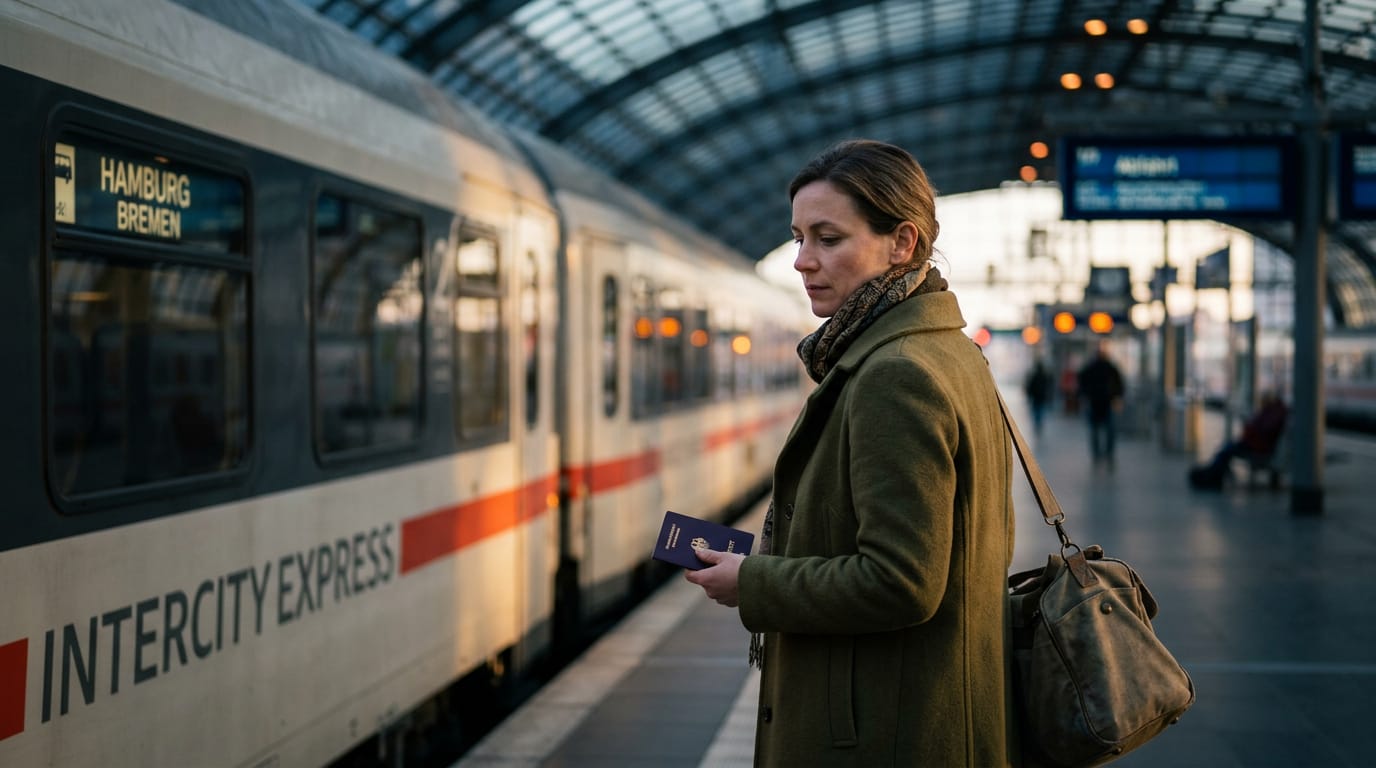
Berlin, long celebrated as a vibrant, unconventional, and historically rich metropolis, appears to be losing its charm for many Germans. A recent survey reveals a significant decline in its perceived allure, raising questions about the future identity and livability of Germany's capital. What was once seen as a magnet for artists, innovators, and those seeking an alternative lifestyle is now increasingly viewed through a lens of rising costs, infrastructural woes, and shifting cultural dynamics.
The Waning Allure: A Shift in Perception
The capital's appeal has demonstrably eroded over the past two decades. A recent survey indicated that only 31 percent of Germans found Berlin to be a fascinating metropolis. This figure represents a sharp drop from 2007, when 66 percent of respondents held that view. Furthermore, a significant 46 percent of those surveyed explicitly stated they would not want to live in Berlin, placing it on par with Frankfurt in terms of unpopularity as a residential choice. In a national comparison of cities with special appeal, Berlin now ranks third with 34 percent approval, trailing behind Hamburg (48 percent) and Munich (47 percent). This decline in fascination points to a broader discontent with the city's trajectory and an evolving perception among the German populace.
The Price of Popularity: Affordability and Outward Migration
While Berlin has historically been considered more affordable than other major European capitals like Amsterdam or London, the cost of living has become a major concern for its residents, contributing to a noticeable outward migration. The monthly cost of living for a single person in Berlin averages around €2,202, including rent. This figure, while still less than in Munich or Frankfurt, has seen rapid increases in recent years. Berliners now pay approximately 5.5 percent more than the national average for overall living costs, and a substantial 17.8 percent more for rent and utilities alone.
This rising financial burden is pushing some residents out of the city. In 2025, Berlin recorded the largest population loss among German federal states, with 12,000 fewer residents, while the surrounding state of Brandenburg gained 9,000 people. This trend suggests a movement towards less expensive locales in the metropolitan area's periphery, as individuals and families seek more manageable housing and living expenses. Despite its growing population through net migration, Berlin also experienced a natural population decrease in 2025, with more deaths than births.
Cracks in the Capital: Infrastructure and Public Services Under Strain
Berlin's infrastructure faces significant challenges, impacting the daily lives of its inhabitants and contributing to a sense of urban decline. Modernizing the city's roads, railways, bridges, schools, and utility networks is estimated to require €108 billion over the next decade. Without this investment, these critical systems are projected to continue deteriorating.
Recent incidents underscore these vulnerabilities. In March 2025, a highway bridge in Berlin required swift demolition after a crack widened unexpectedly, highlighting deferred maintenance issues. The Berlin Brandenburg Airport (BER) has been plagued by chronic delays and budget overruns since its inception. Furthermore, the city's power grid has proven susceptible to disruption, with an arson attack in January 2026 causing a significant power outage for tens of thousands of households and businesses in southwest Berlin. Public transport, a lifeline for many, is frequently affected by service disruptions and overcrowding, which also draws complaints from tourists.
Safety Perceptions and Cultural Shifts: Losing its Edge
Concerns about public safety and a perceived erosion of Berlin's unique cultural landscape are also contributing to its diminishing appeal. While Berlin's safety index generally places it in the middle range among European capitals and statistically safer than some other major cities, specific areas are known for drug-related activity and petty crime. Places like Görlitzer Park and Kottbusser Tor are frequently cited for drug dealing and theft, impacting the feeling of security, particularly at night. Overall criminal offenses in Berlin increased slightly in 2024, with a notable rise in homicide cases, although knife attacks saw a slight decrease.
Beyond safety, Berlin's renowned cultural vibrancy, particularly its iconic club scene, appears to be under threat. Visitors and residents alike complain about a diminishing cultural offerings, with increasing closures of clubs and cultural spaces. This trend is attributed to rising costs, bureaucratic hurdles, and gentrification, which threaten to displace the very communities that cultivated Berlin's distinctive countercultural energy. The decline in cultural appeal is cited as a factor in the significant drop in tourism, with overnight stays falling by nearly 15 percent between 2019 and 2025.
Conclusion: Berlin at a Crossroads
Berlin faces a complex array of challenges that are collectively eroding its long-held status as a desirable and dynamic urban center. From the palpable shift in public perception reflected in recent surveys to the daily struggles with affordability and infrastructure, the capital is at a crossroads. Its once-unparalleled magnetism, fueled by a unique blend of history, culture, and affordability, is being tested by the realities of urban growth, economic pressures, and infrastructural neglect. As Germans increasingly look to other cities within the nation for quality of life and opportunities, Berlin's leadership faces the daunting task of rekindling the city's allure and addressing the tangible issues that now overshadow its storied past.