Bird Flu in US Cattle: A Brewing Global Threat or Manageable Risk?
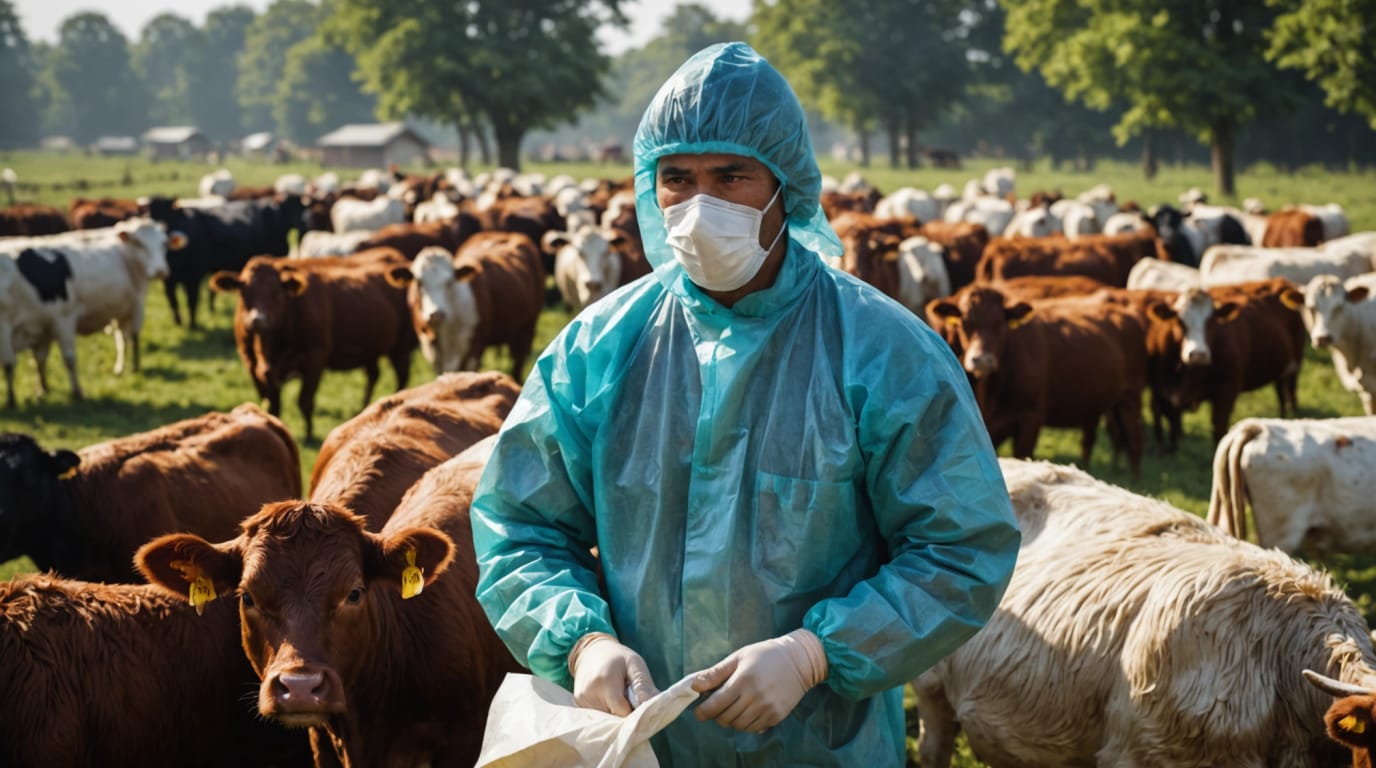
A bird flu outbreak detected in U.S. cattle is raising concerns worldwide about the potential for a global health crisis, but health officials maintain that the immediate risk to humans remains low. The outbreak, which began in 2022, has spread among wild birds and poultry and has now been detected in dairy cattle across multiple states. While the virus primarily affects animals, the increasing number of human cases linked to infected cattle is prompting closer monitoring and renewed vigilance.
Spread and Scope of the Outbreak
The current strain of highly pathogenic avian influenza A(H5N1) has affected over 160 million birds in 51 states. In March 2024, the virus was detected in dairy cattle for the first time, marking a significant development in the outbreak. As of late February 2025, the U.S. Department of Agriculture (USDA) has confirmed avian flu infections in nearly 1,000 dairy herds, primarily in California. The spread among commercial poultry and dairy cattle has already had implications for egg and milk supplies, raising concerns about potential economic impacts. Infections have also been detected outside the US, in the United Kingdom. European authorities are monitoring the North American outbreak.
Human Cases and Potential for Mutation
The Centers for Disease Control and Prevention (CDC) has reported 70 human cases of bird flu in the U.S. since 2022. The first human case was reported in April 2022, two months after the virus was detected among turkeys in a commercial poultry facility. The majority of these cases have been linked to exposure to infected poultry or cattle, with the most common symptom being eye irritation, likely from contaminated milk splashing in the eye. While there is no known person-to-person spread at this time, the CDC is closely monitoring the situation for any signs of mutation that could increase the risk to humans. Recent research suggests the bird flu virus may be just a few mutations away from transmitting more readily to humans, which could elevate risk.
Risk Assessment and Public Health Response
Despite the growing number of cases in animals and the detection of human infections, the CDC maintains that the current public health risk remains low. The agency is using its flu surveillance systems to monitor for H5 bird flu activity in people and is working with states to monitor individuals with animal exposures. Experts emphasize that the virus is still primarily a threat to animals, but the longer it persists, the greater the potential danger to humans. Some experts are concerned that the current approach to eradicating the virus has been ineffective, as it is now ubiquitous in the environment.
Global Implications and Preparedness
The U.S. outbreak is being closely watched by international health organizations, including the World Health Organization (WHO). While the immediate risk to humans is considered low, the potential for the virus to mutate and spread more easily among humans is a significant concern. The WHO has documented approximately 900 human cases of avian flu worldwide in the past two decades, primarily in individuals with close contact with infected birds. The ongoing outbreak underscores the need for continued surveillance, research, and preparedness efforts to mitigate the potential for a global pandemic. A bird flu vaccine for poultry is underway, and experts say an updated vaccine for humans will be available should the outbreak ever reach pandemic-level concern.
Looking Ahead: Vigilance and Mitigation
The bird flu outbreak in U.S. cattle serves as a reminder of the ongoing threat posed by zoonotic diseases – those that can spread from animals to humans. While the current risk to the general public remains low, the situation requires continued vigilance and proactive measures to prevent further spread and potential mutations. Public health officials are emphasizing the importance of biosecurity measures on farms, including proper hygiene and sanitation practices, to minimize the risk of infection. The development of effective vaccines for both animals and humans is also crucial for long-term protection. By staying informed and taking appropriate precautions, individuals and communities can help to mitigate the potential impact of this evolving health challenge.