Bosnia Holds General Elections Amid Divisive Campaigns and Stalled European Union Bid
Voters across Bosnia and Herzegovina cast ballots in general elections that will shape the country's stalled path toward European Union membership and test regional power balances.
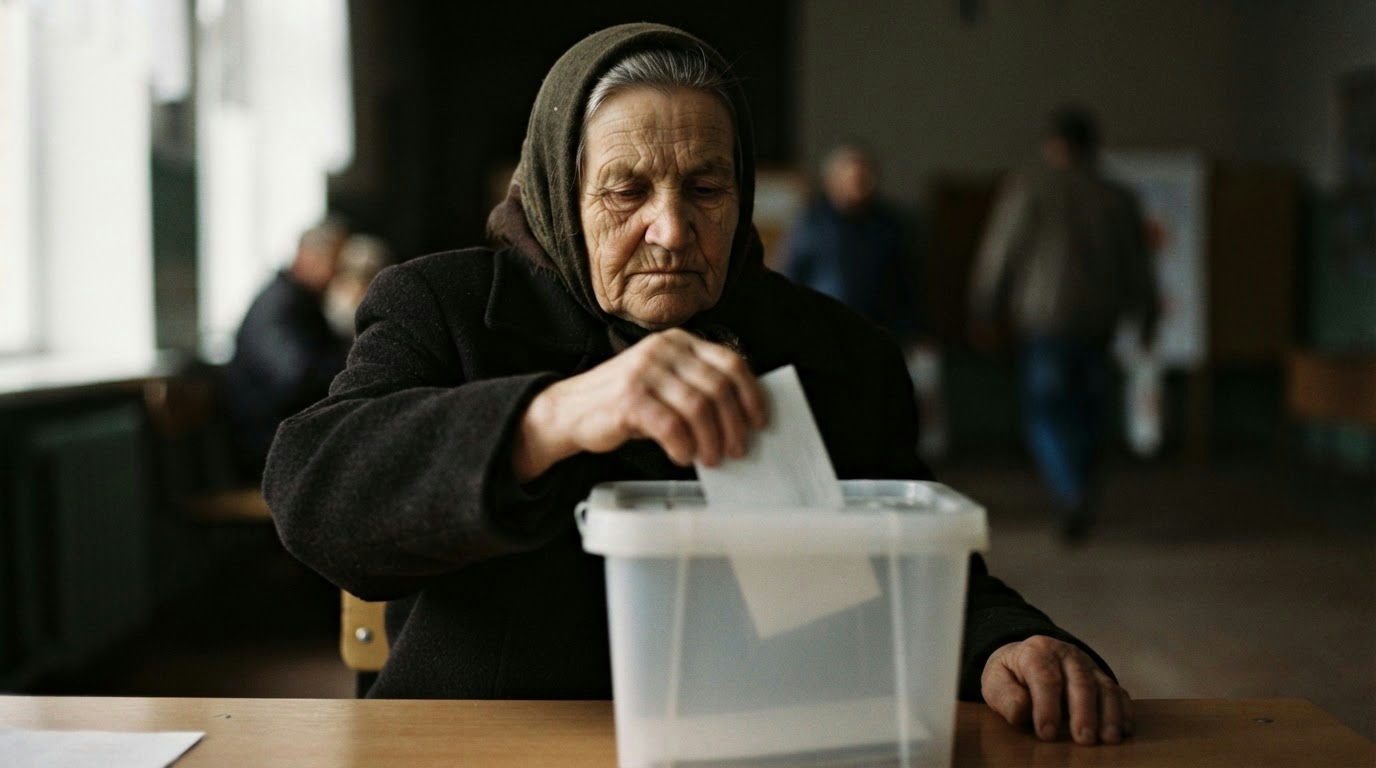
Voters in Bosnia and Herzegovina cast ballots on Sunday in parliamentary, presidential and regional elections. More than 3.4 million eligible voters will decide 518 public offices across the country's decentralized administrative system. The balloting comes amid ethnic political divisions, economic challenges and questions over the country's integration into the European Union.
The vote determines the three members of Bosnia's tripartite presidency, representing the Bosniak, Croat and Serb communities. Electors are also choosing the 42 members of the national House of Representatives. In addition, balloting covers the parliament of the Bosniak-Croat Federation, the National Assembly and presidency of Republika Srpska, and assemblies in 10 cantons.
Bosnia operates under an administrative system created by the 1995 Dayton peace agreement. The accord ended the 1992-1995 war and divided the country into two autonomous regions: the Bosniak-Croat Federation and the Serb-majority Republika Srpska. A weak central government links the two entities.
The election campaign focused heavily on ethnic rivalries rather than widespread voter concerns. Analysts and civic observers noted that voters face rising living costs, high emigration rates and persistent corruption. Yet main political parties largely relied on nationalist messages aimed at their regional bases.
Main ethnic parties, including the Bosniak Party of Democratic Action, the Serb Alliance of Independent Social Democrats and the Croatian Democratic Union, face multi-ethnic coalitions led by the Social Democratic Party. Milorad Dodik, the leader of Republika Srpska, has maintained close ties to Russia and opposed deeper ties with Western defense institutions.
The outcome may affect the country's slow bid to join the European Union. Brussels granted Bosnia candidate status in late 2022 and agreed in 2024 to open formal entry talks. Those negotiations have not started because parliament has failed to approve required judicial reforms and anti-corruption laws.
The Central Election Commission is scheduled to release preliminary vote totals after polls close on Sunday evening.