Bosnia Prepares for General Elections as Ethnic Divisions Overshadow Public Concerns
Voters in Bosnia and Herzegovina face persistent ethnic rivalries and institutional paralysis as they prepare to choose national and regional leaders.
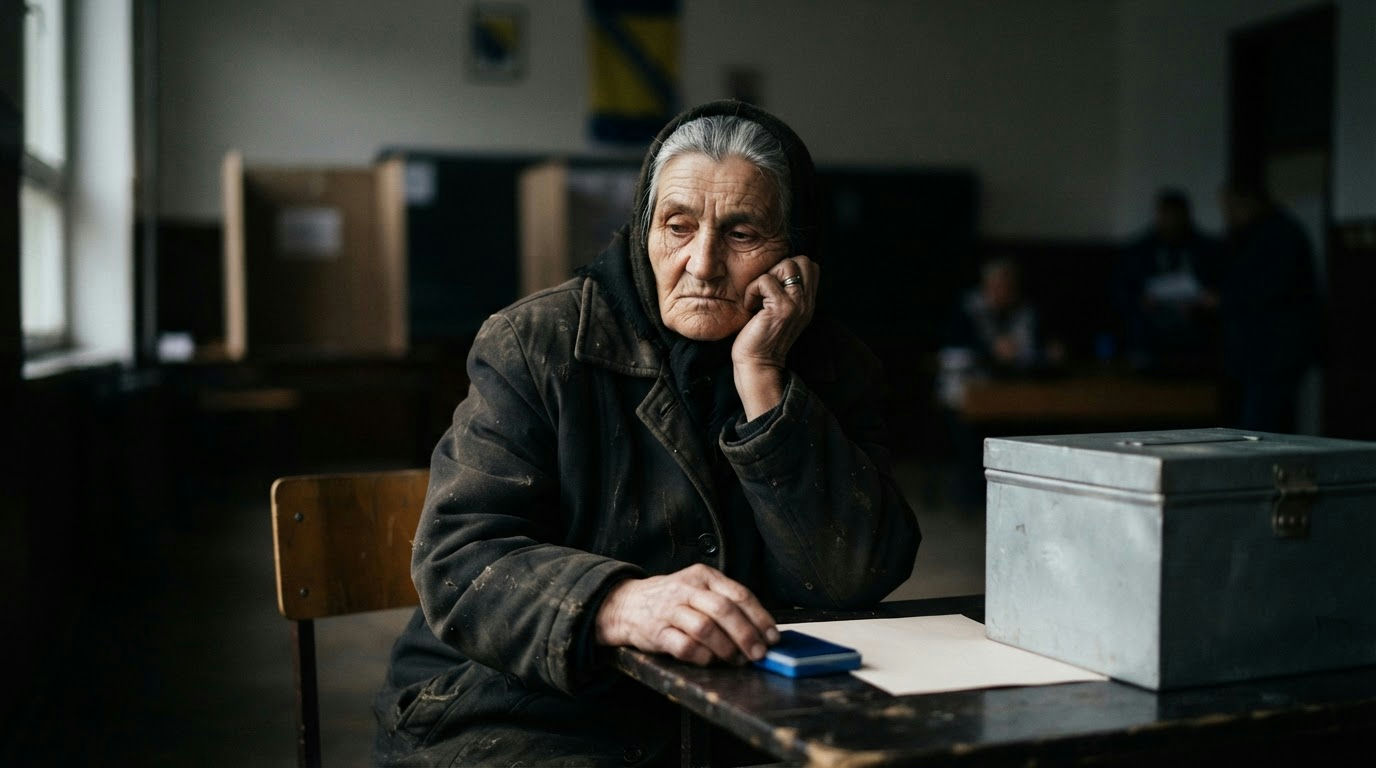
Bosnia and Herzegovina will hold general elections on October 4 to choose several parliaments and presidents across its layered system of government. The vote comes as citizens confront widespread economic hardship and persistent emigration, Deutsche Welle reported. Political campaigns have nevertheless remained centered on ethnic disputes, reflecting the enduring paralysis that has stalled domestic reforms.
The vote takes place within the administrative structure established by the 1995 Dayton Peace Agreement. The settlement ended the Bosnian War by dividing the country into two main entities: the Federation of Bosnia and Herzegovina and Republika Srpska, alongside the self-governing Brcko District. Power-sharing arrangements distribute authority among three primary ethnic communities: Bosniaks, Serbs, and Croats.
Voters will select the three members of the country's collective presidency and representatives for the national House of Representatives. Balloting will also determine the membership of the Federation parliament, the National Assembly of Republika Srpska, the presidency of Republika Srpska, and assemblies across 10 cantons.
Public dissatisfaction remains focused on economic stagnation, low wages, and a steady exodus of citizens seeking employment abroad. Despite these bread-and-butter concerns, major political parties have relied on nationalist rhetoric and ethnic grievances to rally support.
The election commission confirmed that roughly 3.4 million citizens are registered to participate. Voting stations open nationwide on October 4, with initial preliminary results expected later that evening.