Breaking the Mold: The Dutch Strategy to Close the Political Gender Gap
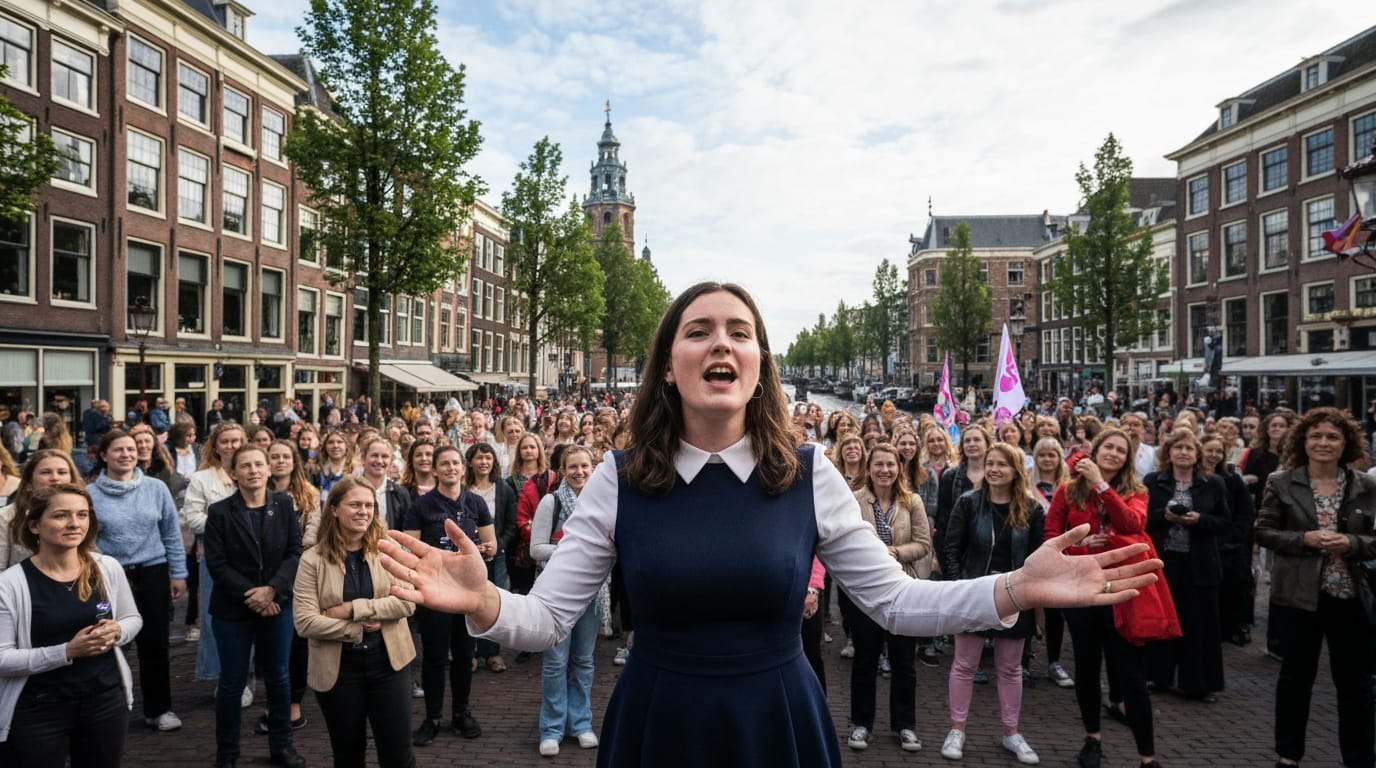
The Netherlands, a nation often lauded for its progressive stance, is grappling with a significant paradox: persistent underrepresentation of women in its political landscape, particularly at the local level. While national parliamentary figures show promising numbers, the reality in municipal councils and executive boards tells a different story, prompting a concerted "Dutch-style" effort to dismantle barriers and actively 'hack' the system to achieve true gender parity.
The battle for gender equality in politics is a global one, and even in seemingly advanced democracies like the Netherlands, the journey is far from over. Despite a national parliament where women constitute approximately 43% of parliamentarians, the numbers drastically decline at the local governance level, revealing deep-seated challenges and a structural imbalance that demands innovative solutions. The disparity highlights that political representation is not a monolithic issue, but rather a complex interplay of systemic hurdles, cultural norms, and individual agency.
The Disparity Unveiled: A Closer Look at Dutch Politics
A closer examination of Dutch political bodies reveals a stark contrast between national and local representation. While the Second Chamber boasts a relatively strong female presence, municipal politics presents a more challenging picture. Recent local elections in March 2022 saw an increase in women in city councils, rising from 31% to 36% nationally, with some of the largest municipalities showing even higher percentages. This improvement, though modest, suggests a positive trajectory. However, the progress in executive municipal boards, known as alderpersons, lags significantly, with only 26% being female. Disturbingly, nearly 30% of the 344 municipalities in the Netherlands operate with executive boards composed exclusively of men.
Beyond elected positions, the pipeline for female political leadership also shows considerable leakage. Data from recent elections indicates that only 32% of candidates on electoral lists were women. Compounding this issue, women are often placed lower on these lists by political parties, reducing their chances of being elected without a substantial number of preferential votes. This systematic underrepresentation at the candidate selection stage sets a significant impediment to achieving broader gender balance in elected office.
Unpacking the Barriers: Why Women Remain Underrepresented
The reasons behind this persistent gender gap are multifaceted, extending beyond mere candidate numbers. One of the most significant barriers identified is the unequal distribution of caregiving responsibilities within Dutch society. Women continue to shoulder a disproportionate share of domestic and family care, which directly impacts their ability to engage in political work. Local political roles, often part-time and offering limited compensation, frequently require attendance at evening meetings, clashing directly with family obligations. This structural conflict makes political participation a less viable option for many women, effectively limiting the pool of potential female leaders.
Another alarming factor contributing to the high dropout rate for female politicians, especially at the local level, is the increasing prevalence of online aggression and intimidation. Research suggests that female politicians are more frequently and severely targeted by online hate, leading some to withdraw from public life. This hostile environment not only deters women already in politics but also discourages young women with political ambitions from entering the field, posing a direct threat to democratic participation and representation. The phenomenon underscores a critical challenge that extends beyond the Netherlands, highlighting the need for stronger protections and support systems for women in public office.
Furthermore, recruitment practices within political parties play a crucial role. If fewer women are actively sought out and placed in electable positions on party lists, their overall representation will naturally suffer. Academics like Liza Mügge, associate professor at the University of Amsterdam, emphasize that the low percentage of women in executive boards is not due to a lack of qualified women, but rather systemic issues in recruitment and selection processes.
The "Dutch-Style" Counterattack: Grassroots and Strategic Interventions
In response to these challenges, a distinctive "Dutch-style" approach has emerged, characterized by a blend of grassroots activism, strategic voting, and academic insight. A prime example is "Stem op een Vrouw" (Vote for a Woman), a campaign group established in 2017 with the explicit goal of achieving gender parity in the Dutch parliament. This initiative actively encourages voters to cast preferential votes for women, particularly those placed lower on electoral lists, to bypass traditional party list structures. The effectiveness of such strategic campaigning was evident in the March 2022 local elections, where over 400 women secured seats through preferential votes.
Beyond direct voting campaigns, academic research is playing a vital role in understanding and addressing the issue. Researchers like Dr. Liza Mügge and PhD candidate Zahra Runderkamp from the University of Amsterdam are actively identifying and dissecting the barriers women face, from care responsibilities to online harassment. Their work provides crucial data and insights that inform policy discussions and advocacy efforts, underscoring the importance of diverse representation for better policymaking. These academic contributions help to move the conversation beyond anecdotal evidence, grounding solutions in empirical understanding.
Moreover, there is an increasing emphasis on fostering supportive networks among women in politics. Encouraging women to connect, support each other, and actively participate in conversations is seen as a key strategy to counteract feelings of isolation and to empower them to voice their ideas and perspectives. This peer support can be crucial in navigating the often-challenging political landscape.
The Broader Impact: Why Representation Matters
The underrepresentation of women in politics is not merely a matter of fairness; it has tangible implications for the quality and inclusivity of governance. As Liza Mügge points out, diverse representation, encompassing different genders, educational backgrounds, religions, ethnicities, and experiences, leads to richer discussions in the policymaking process and ultimately, to better policies. When political bodies lack diverse perspectives, they risk developing "blind spots" and making decisions that do not adequately reflect or address the needs and experiences of the entire population, particularly women.
Local politics, in particular, affects the daily lives of citizens, from urban planning to social services. Therefore, a lack of female voices in these decision-making arenas can lead to policies that fail to consider women's unique challenges and priorities. The argument is clear: local politics is too important to be left predominantly to men, as a gender-imbalanced council can overlook crucial aspects of policy that impact half of the population.
A Continued Journey Towards Parity
The Netherlands' journey to achieving full gender parity in politics is an ongoing endeavor, marked by both progress and persistent challenges. While national figures offer a glimmer of hope, the entrenched issues at the local level demand sustained attention and innovative solutions. The "Dutch-style" approach, characterized by strategic voting campaigns, robust academic research, and the cultivation of supportive networks, offers a compelling model for actively confronting political underrepresentation. The success of these initiatives will not only empower more women to take their rightful place in political leadership but will also strengthen the democratic fabric of the nation, ensuring that governance truly reflects the diverse voices it serves.


