Breath Coaching: The Surprising Way Athletes Gain a Competitive Edge
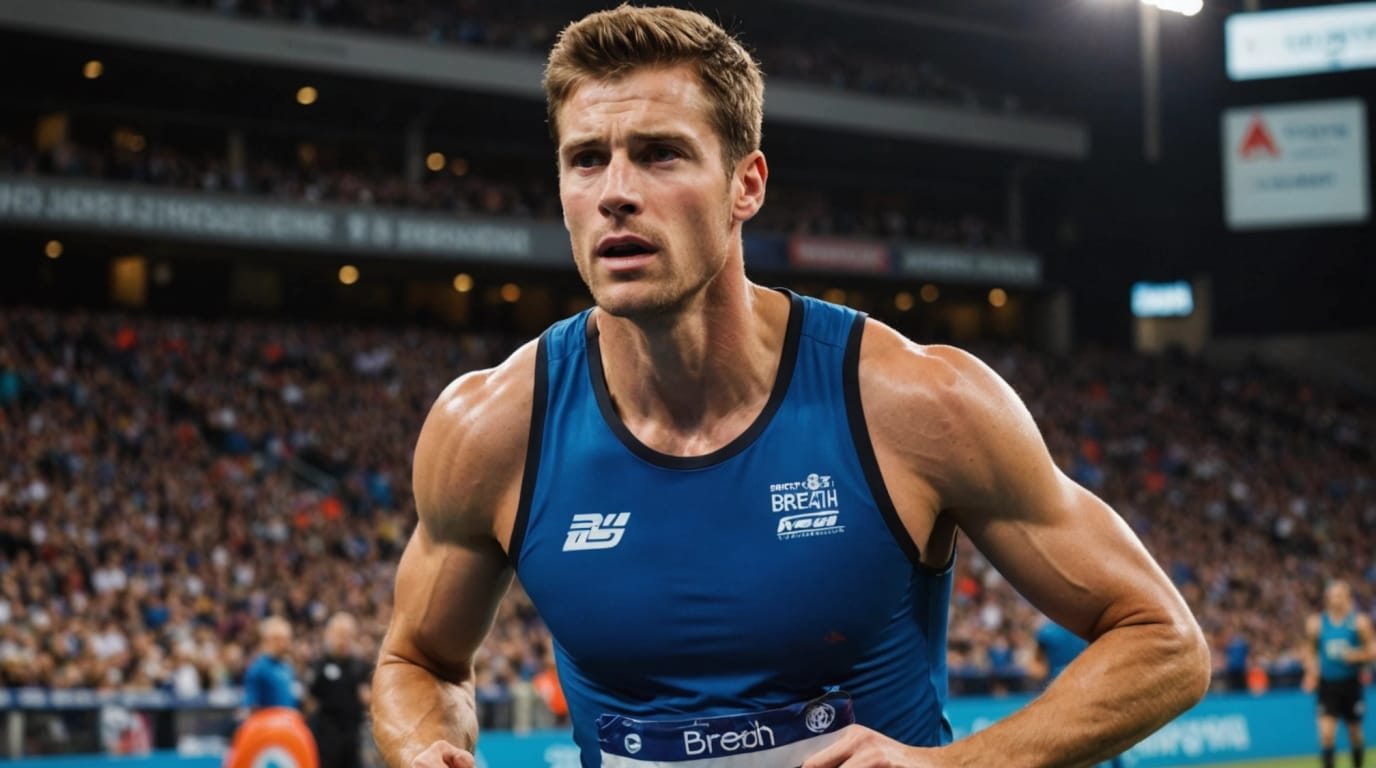
In the relentless pursuit of athletic excellence, where marginal gains can determine victory or defeat, a growing number of athletes are turning to an unexpected source of improvement: their breath. Breath coaching, once relegated to the fringes of sports training, is now emerging as a mainstream technique to enhance performance, manage stress, and accelerate recovery. This involves specific breathing exercises and techniques designed to improve both physical and mental aspects of athletic performance.
The Science of Breath and Performance
The human body relies on oxygen to fuel muscles and maintain optimal function. Efficient breathing maximizes oxygen intake, which can lead to increased endurance, power output, and faster recovery times. Diaphragmatic breathing, also known as belly breathing, is a key technique taught in breath coaching. This involves engaging the diaphragm muscle to draw deeper breaths, maximizing oxygen intake and improving overall respiratory efficiency. Studies have shown that dysfunctional breathing patterns are common, even among athletes, highlighting the need for optimized respiratory techniques.
Beyond the physical benefits, breathwork also plays a crucial role in mental performance. Athletes face immense pressure during training and competition, and managing stress and anxiety is essential for maintaining focus and composure. Breath control techniques can help athletes regulate their nervous system, reduce pre-game anxiety, and improve mental clarity. By consciously controlling their breath, athletes can enter a state of calm focus, allowing them to perform at their best under pressure.
Techniques and Training
Breath coaching programs typically involve a combination of exercises and techniques tailored to the specific needs of the athlete. These may include:
- Diaphragmatic Breathing: As mentioned earlier, this technique focuses on engaging the diaphragm to take deeper, more efficient breaths.
- Box Breathing: This involves inhaling for a set count, holding the breath for the same count, exhaling for the same count, and then holding the breath again before repeating the cycle. This technique is often used to calm the nervous system and improve focus.
- Alternate Nostril Breathing: This involves closing one nostril and breathing through the other, alternating nostrils with each breath. This technique is believed to balance the nervous system and improve mental clarity.
- Breath-Holding Exercises: These exercises involve holding the breath for specific periods to increase lung capacity and improve oxygen utilization.
- High Altitude Simulation: Some breath coaching methods simulate high altitude training at sea level, helping athletes reach peak oxygenation levels more efficiently.
These techniques are often integrated into an athlete's existing training regimen, providing a supplemental approach to enhance performance. Breath Control Training (BCT) programs are designed to be customized to the individual athlete, or can be integrated into team training.
Real-World Applications
The benefits of breath coaching are being recognized across a wide range of sports. Elite athletes in hockey, running, weightlifting, and other disciplines are incorporating breathwork into their training routines. For example, Duncan Keith of the Edmonton Oilers has emphasized the importance of breathing and brain power in hockey, suggesting that these areas are often overlooked in training.
Breathwork is not just for elite athletes; it can also benefit amateur athletes and anyone looking to improve their overall health and well-being. The techniques learned in breath coaching can be applied to everyday life to manage stress, improve sleep, and enhance cognitive function.
The Rise of the Breath Coach
As the demand for breath coaching grows, a new breed of specialist is emerging: the breath coach. These professionals work with athletes to assess their breathing patterns, identify areas for improvement, and develop customized training programs. Breath coaches often have backgrounds in sports science, physiology, or related fields, and they possess a deep understanding of the science behind breathwork.
The role of the breath coach is not just to teach breathing techniques but also to educate athletes about the importance of breath and how it affects their performance. By fostering a greater awareness of their breath, athletes can take control of their physiology and unlock their full potential.
Looking Ahead
Breath coaching is still a relatively new field, but it is rapidly gaining traction in the world of sports. As more research emerges on the benefits of breathwork, it is likely that breath coaching will become an integral part of athletic training. The ability to control one's breath is a fundamental human skill, and by mastering this skill, athletes can gain a significant competitive edge.
In conclusion, breath coaching offers a surprising yet effective way for athletes to enhance their performance. By improving oxygen utilization, managing stress, and promoting mental clarity, breathwork can help athletes reach new levels of success. As the field continues to evolve, it is likely that breath coaching will play an increasingly important role in the pursuit of athletic excellence.