Bundesliga Holds Firm on Home Soil Amid Global Pressure, But Future Looms
Frankfurt, Germany — In an era where major European football leagues increasingly look to expand their global footprint through international fixtures, Germany's Bundesliga stands as a notable outlier. While leagues like Spain's La Liga and Italy's Serie A have cautiously embraced playing competitive matches abroad, the Deutsche Fußball Liga (DFL), the governing body of the Bundesliga, has consistently resisted such moves, prioritizing its deeply ingrained fan culture and the unique "50+1" ownership rule. This firm stance, championed by key league and club officials, reflects a commitment to domestic traditions, even as the commercial allure of international markets continues to grow.
The German Model: Fan Power and the 50+1 Rule
At the heart of the Bundesliga's resistance to overseas games lies its distinctive ownership structure and a passionate, influential fan base. The "50+1 rule" mandates that club members must retain at least 50 percent plus one additional voting share, ensuring that fans, rather than external investors, hold ultimate control over their clubs' direction. This rule is often credited with fostering a unique football culture characterized by affordable ticket prices, vibrant standing terraces, and consistently high stadium attendances, which are among the best globally.
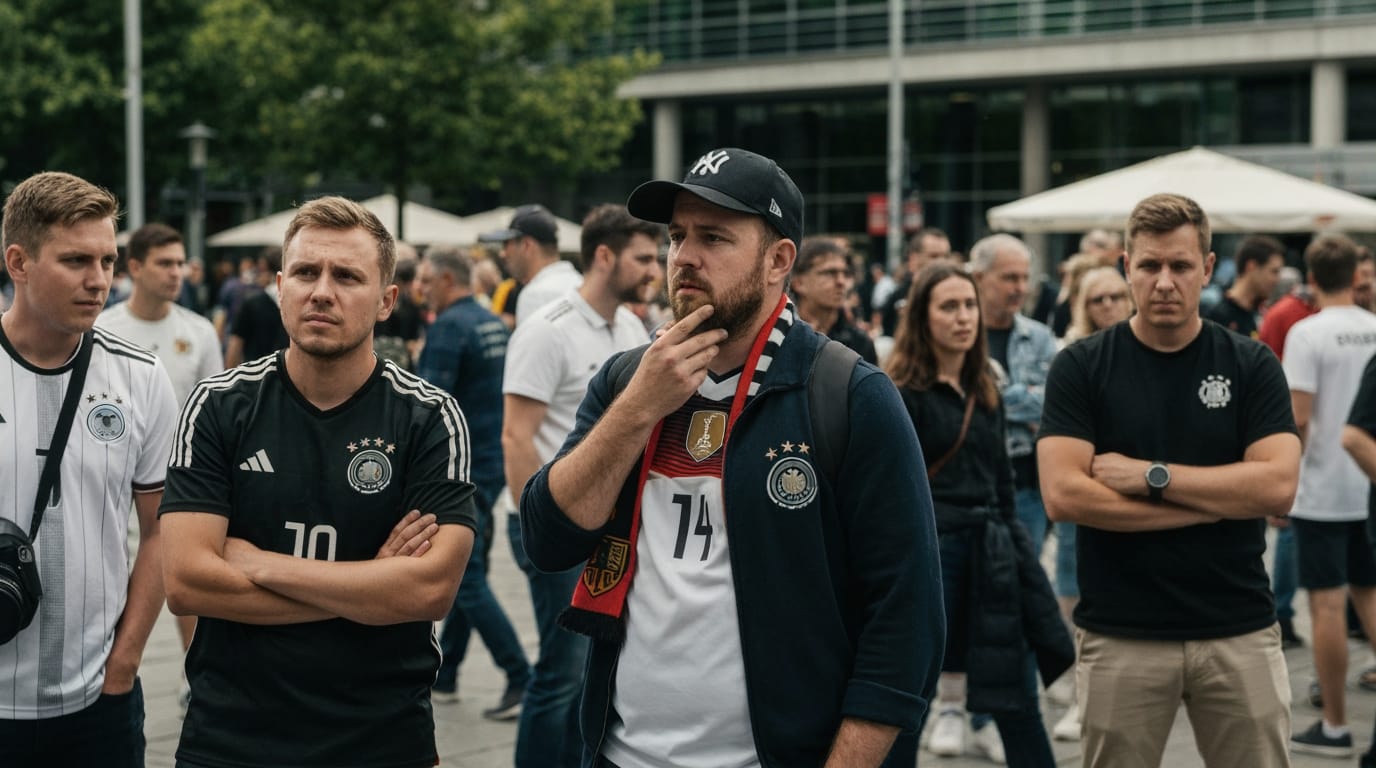
The power of German fans was starkly demonstrated recently when widespread protests, involving tactics such as throwing objects onto pitches to delay matches, successfully derailed a DFL plan to sell a stake in future media revenues to a private equity investor. Supporters viewed this potential investment as a threat to the 50+1 rule and the integrity of German football, leading the DFL to abandon the €1 billion deal. This successful collective action underscored the profound influence fans wield in shaping the league's policies and safeguarding its foundational principles.
DFL's Unwavering Stance Against Overseas League Matches
Official statements from the Bundesliga's leadership have consistently drawn a clear line in the sand regarding competitive matches played outside Germany. Former DFL chief Christian Seifert, for instance, unequivocally declared in 2018, "We will never play a league game outside of Germany. That's a limit we will not cross." He further elaborated that such a move would represent a "lack of respect" for the league's fans, players, and even Major League Soccer. This sentiment has been echoed by current figures within the DFL. Hans-Joachim Watzke, spokesperson for the DFL Executive Committee, recently affirmed, "as long as I am responsible for the league, there will be no competitive matches played abroad. Period." Bayern Munich CEO Dreesen has also voiced agreement, expressing his desire for competitive matches to always be played within Germany. DFL boss Lenz similarly rejected games abroad, stating they do not align with the league's "societal roots".
This principled stand differentiates the Bundesliga from other major European leagues that have explored or implemented strategies to play league matches overseas. The DFL's position suggests a belief that the authentic matchday experience, deeply tied to local communities and stadium atmospheres, should not be compromised for commercial gain.
Global Ambition Without Home Game Displacement
Despite its reluctance to stage league games abroad, the Bundesliga is far from static in its international ambitions. The league actively pursues a multi-dimensional marketing approach to expand its global reach and cultivate new fan bases. Bundesliga International, a wholly owned subsidiary of the DFL, is tasked with driving this internationalization strategy. Its efforts include securing broadcast deals in over 200 countries, creating bespoke digital content, engaging fans on social media, and organizing pre-season tours.
The DFL has established international offices in key markets such as Singapore, New York, and Beijing, and has forged strategic partnerships to further amplify its presence, particularly in the Americas and China. These initiatives aim to increase engagement and revenue through media rights and digital platforms, all while maintaining the integrity of the domestic fixture schedule. While the DFL remains open to playing events like the German Supercup or friendly matches abroad to attract attention, competitive league games remain off the table. This strategy reflects a careful balance: seeking global growth without disrupting the core fan experience within Germany.
The Shifting Sands of Global Football
The Bundesliga's steadfast position contrasts sharply with the evolving landscape of international football. Other prominent European leagues, driven by the intense competition for global audiences and commercial revenue, are increasingly exploring or committing to playing domestic games in foreign territories. La Liga, for instance, has long pursued the idea of playing league matches in the United States, and both La Liga and Serie A have plans to stage competitive games abroad, with UEFA reluctantly giving its approval in some cases. The Premier League, already a dominant force in global broadcasting revenue, continuously monitors these developments, having previously faced its own debates over proposed "39th games" abroad.
These moves by rival leagues highlight the financial pressures and opportunities that exist in an increasingly globalized sports market. While DFL officials have maintained that the Bundesliga does not "need help from overseas to promote football in this way", some nuanced perspectives within German football suggest a potential for long-term reconsideration. RB Leipzig Managing Director Johann Plenge, for example, while not advocating for immediate games abroad, stated, "never say no to anything" in the long term, suggesting that if a majority of fans were to support such a move after other groundwork is laid, it would warrant discussion. This indicates a recognition that the league must remain adaptable, albeit cautiously, to future trends and fan sentiment.
Balancing Identity and Evolution
For the foreseeable future, the Bundesliga appears committed to its unique path, where fan sentiment and deeply rooted traditions continue to hold sway over purely commercial considerations. The DFL's rejection of competitive games abroad reinforces its image as a league that prioritizes its supporters and the authentic matchday experience. However, the global football landscape is constantly evolving, with financial imperatives driving other major leagues to push boundaries.
The Bundesliga's challenge will be to continue its international growth and maintain its competitive standing without sacrificing the very cultural values that make it distinctive. For now, fan power and institutional commitment ensure that competitive Bundesliga football remains firmly on German soil, a testament to a league striving to balance its identity with the inexorable forces of global evolution.