Butterfly Populations in the U.S. Plummet, Signaling Ecosystem Distress
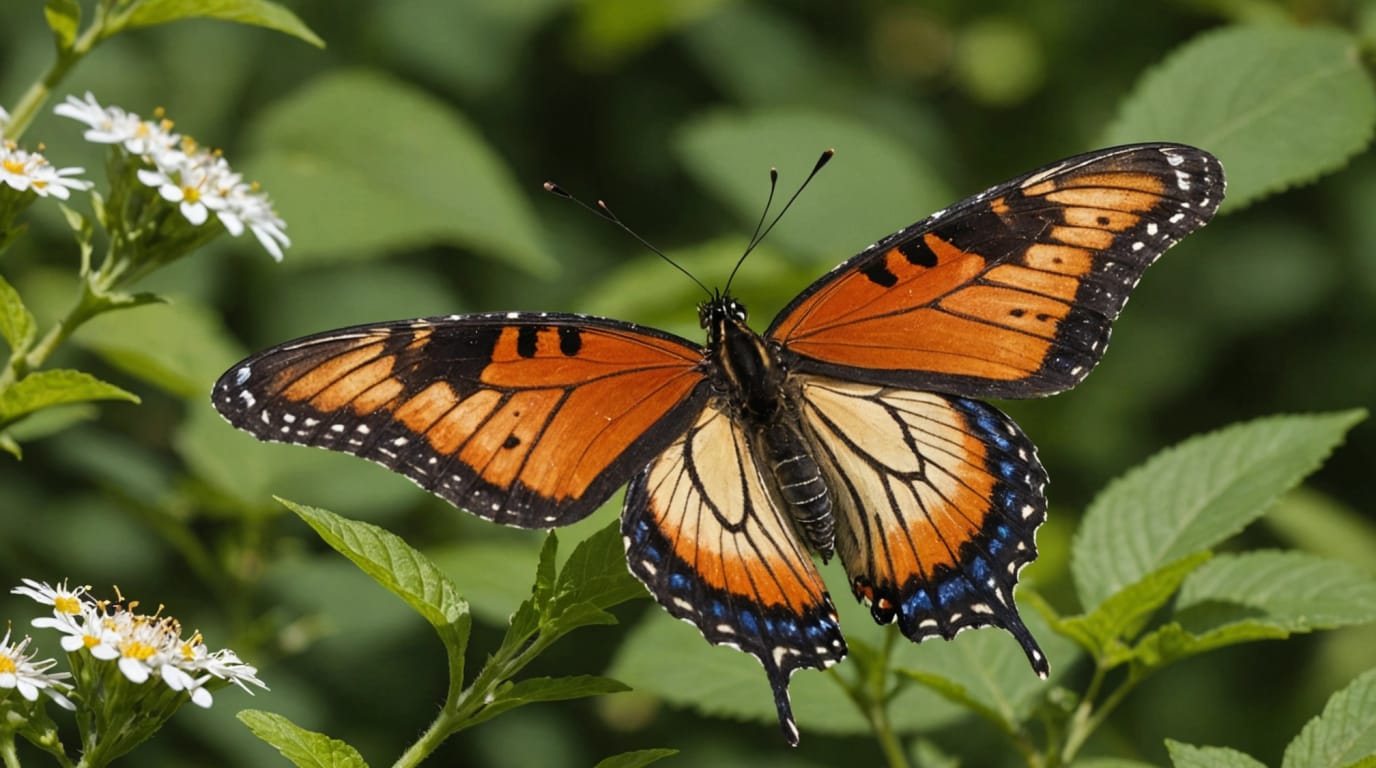
Butterfly populations in the United States are experiencing a significant decline, raising concerns among scientists and conservationists about the health of the nation's ecosystems. A comprehensive study published in the journal Science reveals a concerning trend: a 22% decrease in butterfly populations between 2000 and 2020. This decline, affecting two-thirds of the 554 recorded species, underscores the urgent need for conservation efforts to protect these vital pollinators.
A Widespread Decline
The study, which analyzed over 12.6 million individual butterflies from 76,000 surveys across 2,478 locations, paints a grim picture of butterfly abundance across the country. The rate of species-level losses is occurring 13 times faster than any recorded population growth, highlighting the severity of the situation. While the Pacific Northwest showed a less drastic decline compared to other regions, the overall trend remains alarming. Some species have been hit particularly hard. For example, the population of Soilder butterflies have declined by 91% in the continental US over the last two decades.
Eliza Grames, an assistant professor of biological sciences at Binghamton University and co-author of the study, emphasized the urgency of the situation. "Losing one out of every five butterflies over 20 years should be a big wake-up call to people," Grames said. "These declines are not stopping."
Factors Contributing to the Crisis
Multiple factors contribute to the decline of butterfly populations, with habitat loss, pesticide use, and climate change emerging as the primary drivers.
Habitat Loss
Urbanization and agricultural expansion are destroying natural habitats, leaving butterflies with fewer places to thrive. The loss of milkweed, the host plant for monarch caterpillars, is particularly detrimental to monarch populations. Agricultural conversion of habitat associated with Conservation Reserve Program (CRP) lands also poses an ongoing threat.
Pesticide Use
Pesticides, especially neonicotinoids, have a significant impact on butterfly populations. These chemicals, absorbed into plant tissues, harm not only pests but also beneficial insects like butterflies, disrupting pollination and food chains. A recent study found that pesticide use was associated with an 8% decline in overall butterfly populations over a 17-year period, with monarch butterflies experiencing a staggering 33% decline.
Climate Change
Climate change further exacerbates the issue by altering the environments that butterflies depend on, making it harder for them to survive and reproduce. Warming temperatures can disrupt breeding cycles, and extreme weather events can devastate butterfly populations. Alpine butterflies with specialized diets are particularly vulnerable to climate change because of fluctuations in their food sources.
The Ripple Effect on Ecosystems
Butterflies play a crucial role in ecosystems, acting as pollinators and a vital food source for other animals, particularly birds. Their decline can have a ripple effect, impacting the entire food chain and potentially leading to broader environmental degradation. The health of butterfly populations often indicates broader environmental health, and their decline can signal deeper issues within an ecosystem, such as pollution or habitat degradation.
Conservation Efforts and Hope for the Future
Despite the alarming trends, conservation efforts offer hope for the future of butterfly populations. These efforts range from large-scale initiatives to individual actions.
Federal and State Initiatives
The U.S. Fish and Wildlife Service is proposing protection for the monarch butterfly under the Endangered Species Act, which would provide increased resources, consistency, coordination, and awareness for recovery efforts. Public comments on the proposal are being accepted until March 12, 2025. The agency is also proposing critical habitat for the species at a portion of its overwintering sites in coastal California.
Habitat Restoration and Management
Organizations like the Xerces Society and the National Wildlife Federation are working to protect and restore habitat for monarch butterflies and other at-risk species. These efforts include planting milkweed and nectar-rich flowers, managing landscapes for pollinators, and promoting sustainable agricultural practices.
Community Involvement
Individuals can also contribute to butterfly preservation by creating hospitable environments in their own backyards. Planting butterfly-friendly flowers, avoiding pesticides, and supporting conservation organizations can make a significant difference. The National Wildlife Federation's Mayors' Monarch Pledge encourages local governments to take action to help save the monarch butterfly.
A Call to Action
The decline of butterfly populations in the U.S. is a serious issue with far-reaching ecological implications. While the challenges are significant, ongoing conservation efforts and increased public awareness offer hope for reversing these trends. By addressing the primary drivers of decline – habitat loss, pesticide use, and climate change – and working together to protect and restore butterfly habitats, it is possible to ensure that these essential pollinators continue to grace our landscapes for generations to come.