Cats Can Sniff Out Owners, Study Finds
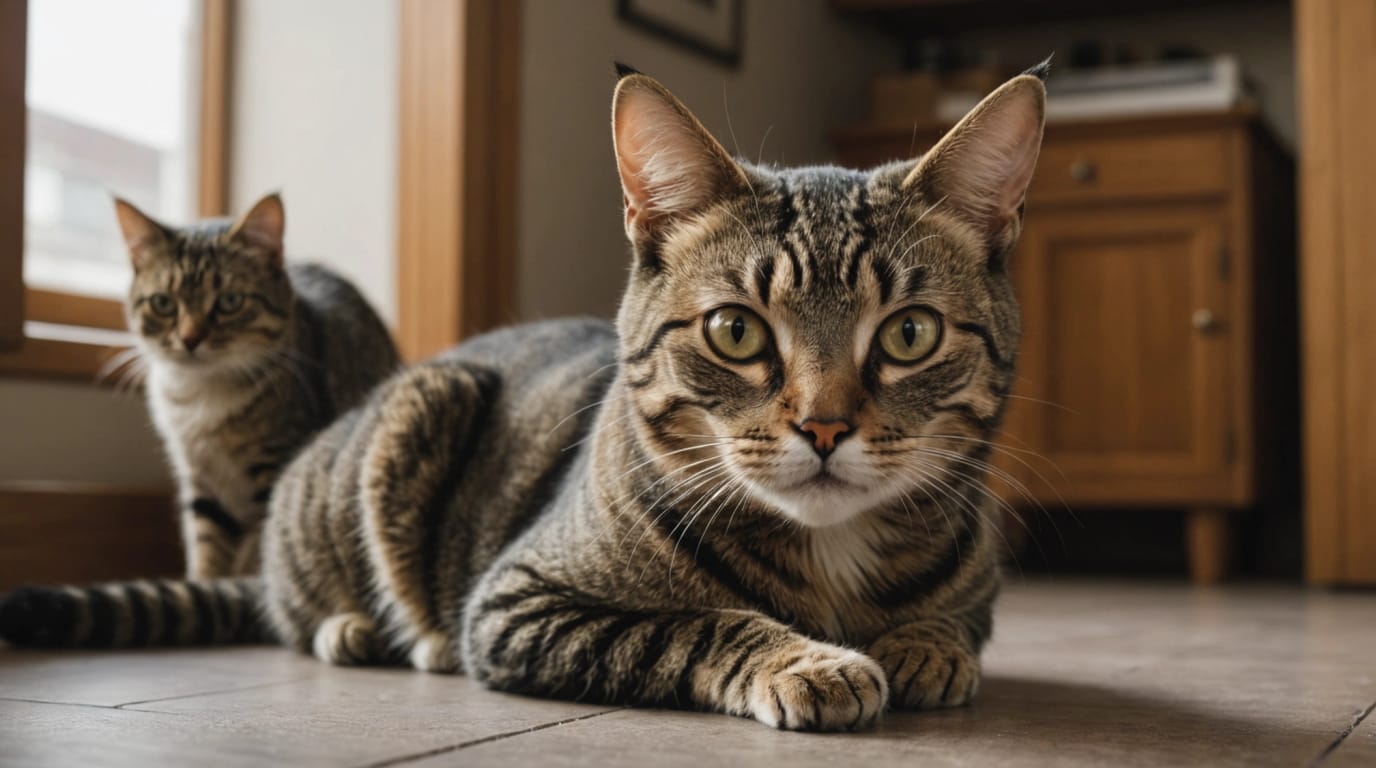
For years, cat owners have suspected their feline companions recognize them, but a new study provides compelling evidence that cats can indeed distinguish their owners from strangers using their sense of smell. The research, conducted at the Tokyo University of Agriculture, sheds light on the olfactory abilities of domestic cats and their role in recognizing humans.
Olfaction and Feline Recognition
The study, published in PLOS One on May 28, 2025, explored the extent to which cats rely on smell to differentiate between familiar and unfamiliar humans. Researchers presented 30 domestic cats with plastic tubes containing scent samples collected from their owners and from strangers. The swabs were taken from under the armpit, behind the ear, and between the toes of the subjects. A third tube, containing no scent, acted as a control.
The research team, led by Dr. Yutaro Miyairi, carefully monitored the cats' behavior, noting how long they spent sniffing each tube and which nostril they used first. The results indicated that cats spent significantly more time sniffing the tubes containing the scent of strangers compared to those with their owner's scent or the unscented control. This behavior suggests that cats recognize their owners' scent and dedicate more attention to gathering information about unfamiliar smells.
Behavioral Differences and Personality
Interestingly, the study also revealed variations in sniffing behavior among male cats based on their personality traits. Male cats with neurotic personalities tended to sniff each tube repetitively, while those with more agreeable personalities sniffed the tubes more calmly. However, no such correlation was observed in female cats.
These findings suggest that personality may influence how cats process and react to different scents. While the study didn't delve into the underlying reasons for these differences, it opens avenues for further research into the interplay between personality, olfaction, and behavior in cats.
Implications and Future Research
The study's findings have several important implications. First, they provide scientific evidence that cats can distinguish between familiar and unfamiliar humans based on smell alone. This supports the anecdotal experiences of many cat owners who believe their feline friends recognize them.
Second, the study highlights the importance of olfaction in feline social behavior. Cats use scent to communicate with each other and to navigate their environment. The ability to recognize human scents may play a role in the bond between cats and their owners.
However, the researchers caution that the study does not prove cats can identify specific individuals by scent. While cats can differentiate between familiar and unfamiliar human odors, it remains unclear whether they can distinguish between the scents of different familiar people. Further research is needed to determine the extent to which cats can use smell to identify specific individuals.
Expert Opinions and Context
Julia Henning, a doctoral candidate researching feline behavior at the University of Adelaide in Australia, who was not involved in the study, noted that the shorter sniffing time for the owner's scent suggests that cats quickly recognize the familiar smell and move on. In contrast, the longer sniffing time for the stranger's scent indicates that cats are gathering more information about the unfamiliar odor.
Serenella d'Ingeo, a researcher from the University of Bari not involved in the study, suggested that the owner's presence during testing might have amplified interest in unfamiliar scents due to the owner's own odor.
Conclusion
The Tokyo University of Agriculture study provides valuable insights into the olfactory abilities of domestic cats and their role in recognizing humans. While further research is needed to fully understand the extent to which cats can use smell to identify specific individuals, the study's findings confirm that cats can distinguish between familiar and unfamiliar human scents. This ability likely plays a role in the bond between cats and their owners and highlights the importance of olfaction in feline social behavior.