Ceuta's Child Migrants: A Crisis of Vulnerability and Exploitation on the Streets
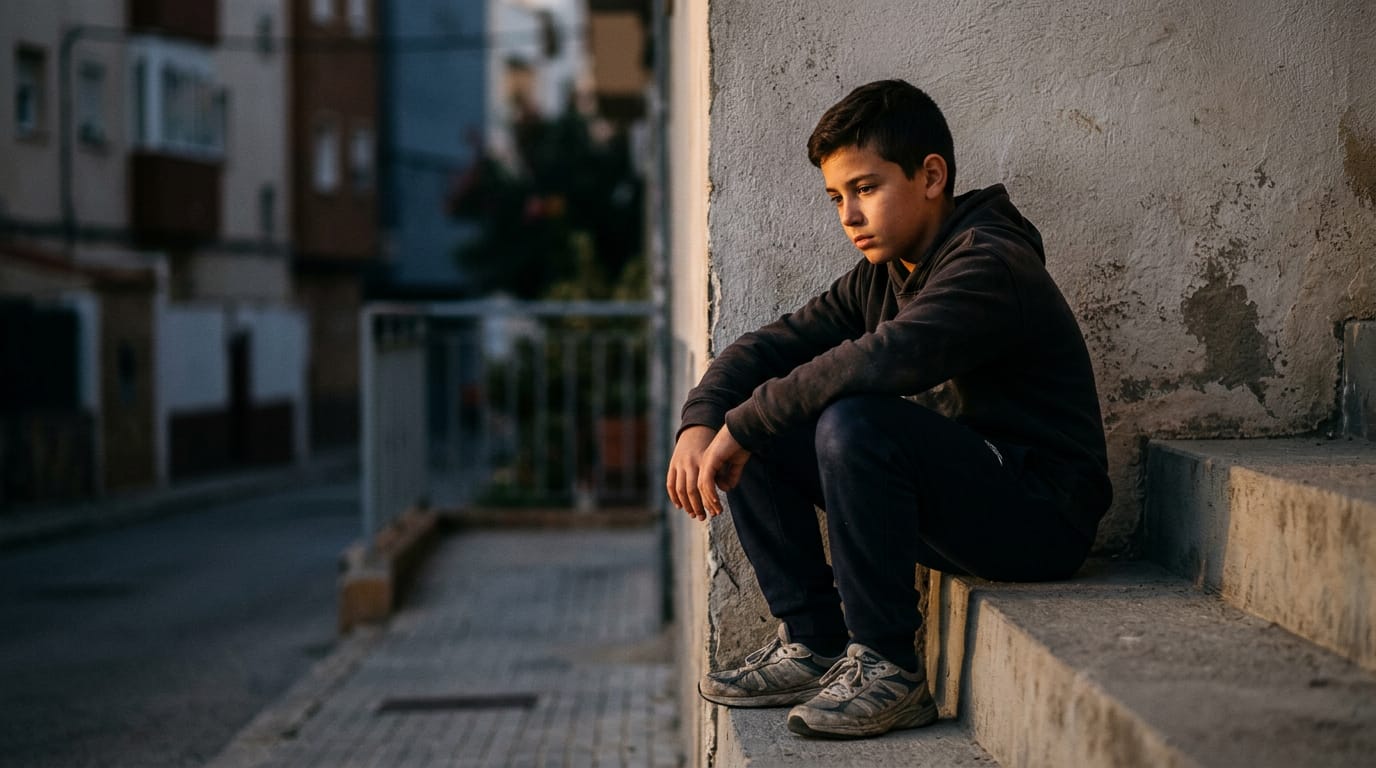
Ceuta, the Spanish enclave bordering Morocco, is grappling with a profound humanitarian crisis as hundreds of unaccompanied minors navigate its streets, exposed to grave risks of abuse, exploitation, and human trafficking. Following recent mass border crossings, an estimated 1,100 to 1,300 children remain in the city without adequate protection, their vulnerability amplified by overwhelmed reception facilities and a pervasive lack of resources. Aid organizations and local residents are struggling to provide basic necessities, warning that every day these children remain outside a robust protection system increases their exposure to harm.
The Harsh Reality of Life on the Margins
For many of these young individuals, daily life in Ceuta is a stark struggle for survival. Without the safety net of family or formal care, they are often found sleeping rough in precarious locations such as crowded warehouses near the Tarajal border, on public beaches, or hidden within alleyways. Reports indicate a severe lack of basic provisions, including consistent access to food, clean water, and sanitation facilities. Jose Miguel Morales, head of the migrant assistance association Sur Acoge, has highlighted instances of these children being beaten and assaulted on the streets, underscoring the immediate dangers they face. The age range of these vulnerable minors is particularly alarming, with some reported to be as young as seven or ten years old, and many not yet 14. Their presence on the streets leaves them largely invisible to official protection systems, making it exceedingly difficult to monitor their well-being or address their specific needs.
Perilous Journeys and Lingering Hopes
Ceuta's strategic location, serving as Europe's sole land border with Africa, positions it as a critical entry point for migrants seeking better opportunities. The city has experienced several mass influxes, notably one in late July 2026, when tens of thousands crossed into the enclave, often by swimming around breakwaters or navigating the shoreline. The motivations behind these perilous journeys are complex, ranging from fleeing poverty and conflict in their home countries to seeking educational and employment prospects in Europe. However, the journey itself is fraught with extreme danger. Migrants often face the risk of drowning, injuries sustained during border crossings, and even violence. False rumors circulating on social media, suggesting an "open border," have also been identified as a factor contributing to these surges, misleading many into believing the journey would be less challenging than it truly is. Upon arrival, many children are traumatized, some having witnessed family members drown during the crossing.
The Shadow of Exploitation and Abuse
The lack of protection systems casts a long shadow over the future of these unaccompanied minors, making them acutely susceptible to exploitation. Humanitarian organizations universally warn of the "extreme risk" of sexual and physical violence, human trafficking, and forced labor. Girls are particularly vulnerable, facing "heightened risks of violence, trafficking and exploitation." Disturbingly, statistics indicate a significant shift in the demographic of juvenile migrants, with the proportion of females rising from 8% in 2024 to 37% in 2025, amplifying concerns about gender-specific risks. Save the Children and other aid groups consistently emphasize that every child outside the formal protection system is a potential victim. The difficulty in accurately identifying and tracking these children further compounds the problem, creating a climate where they can easily disappear into exploitative situations without a trace.
Overwhelmed Systems and Challenged Responses
Ceuta's infrastructure for child protection has been severely strained by the influx. Local reception facilities, originally designed to accommodate fewer than 100 children, are now housing hundreds, indicating an overwhelming capacity deficit. This situation has left local authorities and non-governmental organizations struggling to manage the crisis. Spanish immigration law, reformed in 2025, mandates that unaccompanied minors must be redistributed from overstretched territories within 15 days of their case file being completed. In response, the Spanish government has approved significant funding, including 25 million euros, to support unaccompanied minors and facilitate their transfer to other autonomous communities across Spain. Spanish law legally obligates authorities to grant protection and immediate attention to identified unaccompanied minors. However, these efforts face considerable hurdles, including political resistance from some regions, notably those governed by the conservative Popular Party and the far-right Vox party, which have opposed the relocation of migrant minors. Despite these systemic challenges, local residents and NGOs like Humanitarians Without Borders and Luna Blanca are providing crucial immediate aid, distributing thousands of meals daily and offering temporary safe spaces where possible.
A Call for Coordinated Action and Lasting Solutions
International bodies and aid organizations are urgently calling for a more robust and coordinated response. UNICEF Spain has stressed the paramount importance of prioritizing the identification of all unaccompanied minors, conducting individual assessments of their needs, and pursuing family reunification whenever feasible. The organization emphasizes that protecting these children is not only a legal obligation under Spanish and international law but also a fundamental humanitarian imperative. Save the Children advocates for immediate and active registration efforts, along with the creation of safe spaces that can provide specialized care and psychosocial support. The broader challenge lies in striking a balance between national border control policies and the unequivocal right of every child to safety and protection. The long-term consequences of leaving these children vulnerable are profound, not only for the individuals themselves but for the societal fabric that fails to protect its most susceptible members. The crisis in Ceuta underscores the urgent need for a humane, unified, and effective strategy from all stakeholders to ensure that these children are safeguarded from the myriad dangers they face.