Chancellor Merz Appeals to AfD Voters as Germany Faces Pivotal State Elections
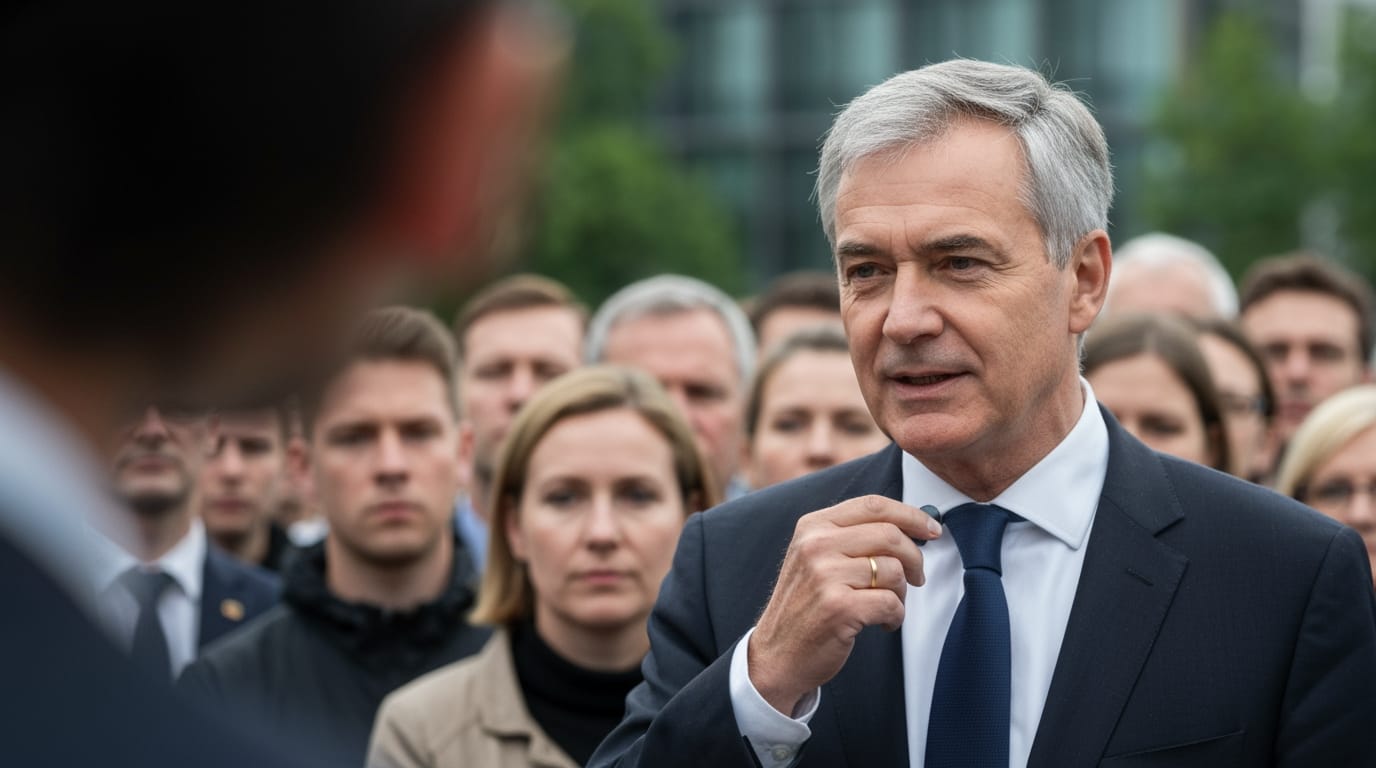
BERLIN – German Chancellor Friedrich Merz has issued a direct appeal to voters of the far-right Alternative for Germany (AfD), urging them to scrutinize his government's performance on core issues like freedom, peace, and economic stability, rather than relying solely on social media for their information. This unprecedented outreach comes ahead of critical state elections in September, where the AfD is polling strongly and could potentially secure its first leadership role at the regional level, particularly in eastern German states. The appeal highlights the profound challenges facing Germany's political establishment amidst a shifting electorate and the persistent rise of populist sentiment.
Navigating a Fractured Political Landscape
Merz's call to AfD sympathizers, made during a summer press conference, underscores the precarious political landscape in Germany. The Alternative for Germany, founded in 2013, has steadily gained ground, transforming from a Eurosceptic single-issue party into a formidable political force with a national support rate that has climbed as high as 29% in recent polls, at times surpassing Merz's own Christian Democratic Union (CDU/CSU) alliance. The upcoming elections in states like Saxony-Anhalt and Mecklenburg-Western Pomerania are seen as pivotal, with the AfD currently leading in surveys and poised for potential historic gains. Should the AfD translate its commanding lead into votes, it could mean a far-right government taking power in a German state for the first time since 1945, a prospect that deeply concerns mainstream parties.
The Roots of Discontent: Why Voters Turn to the AfD
The AfD's ascent is largely attributed to widespread voter dissatisfaction with the federal government's performance, alongside anxieties over economic conditions and immigration policies. Germany has experienced sluggish economic growth, an eroding industrial base, and shortfalls in social welfare funds, leading to public backlash against proposed reforms by the current administration. Issues such as uncontrolled mass migration, concerns about crime and internal security, and a perceived imbalance between climate policies and economic well-being are frequently cited by AfD voters as primary motivators. Many voters express a deep distrust of mainstream media and a pervasive sense of decline, finding resonance with the AfD's anti-immigration and ultraconservative stances. Demographically, the AfD has historically found strong support in the former East German states, rural areas, and among older segments of the population. However, recent trends indicate a growing appeal among younger voters, particularly young men, and those with lower educational qualifications, further broadening its base. Social media platforms, especially TikTok and Instagram, have also played a significant role in boosting the party's reach among younger demographics.
Merz's Strategy and the "Firewall" Dilemma
Chancellor Merz's appeal marks a nuanced approach to confronting the AfD's growing influence. While directly engaging its electorate, he emphatically reaffirmed the CDU's commitment to the "firewall," a long-standing consensus among mainstream German parties to rule out any cooperation or coalition with the far-right party. Merz stated his unwavering resolve to prevent the AfD from gaining an outright majority in the upcoming state elections, asserting he would "do everything within his power" to this end. This strategy aims to draw disillusioned voters back to the center without legitimizing the AfD as a governing partner.
However, the "firewall" itself has shown signs of erosion. There have been internal discussions within the CDU about revisiting their stance on the AfD, with some conservatives suggesting a need to "appropriate the concerns of the AfD" to diminish its appeal, though research indicates this strategy can backfire by legitimizing far-right themes. Instances where the CDU has implicitly or explicitly relied on AfD votes in parliamentary matters, such as a non-binding resolution on the detention of illegal aliens, have sparked widespread demonstrations and raised questions about the durability of this political cordon sanitaire. Critics argue that by adopting stricter immigration policies, the CDU risks validating the AfD's core narratives, effectively strengthening its opponent. Despite Merz's efforts to highlight his government's reforms to "gee up" Europe's largest economy, his personal approval ratings and those of his coalition have been declining, with the economic recovery proving slower than anticipated.
High Stakes for German Democracy
The current political dynamic presents high stakes for German democracy. The potential for the AfD to lead state governments would mark a significant shift, challenging the post-war political consensus that has largely kept extremist parties from power. The party's radical positions, including anti-European sentiment and a focus on national sovereignty, could impact Germany's role within the European Union and NATO, potentially triggering an identity crisis within the EU. The political fragmentation and the erosion of trust in traditional parties, mirrored across many Western democracies, underscore a broader structural challenge. As Germany navigates this complex period, the effectiveness of Merz's direct appeal and the resilience of the political "firewall" will be closely watched, both domestically and internationally, as a test of mainstream parties' ability to counter the surge of the far-right.
The coming months, particularly the September state elections, will be a critical barometer for the direction of German politics. Mainstream parties face the arduous task of addressing voter grievances, restoring confidence in democratic institutions, and offering compelling alternatives to the populist narratives that have gained such traction. The outcome will not only shape Germany's future but also hold significant implications for the stability of the European political landscape.


