Chess World Grapples With 'Freestyle' Revolution and Title Dispute
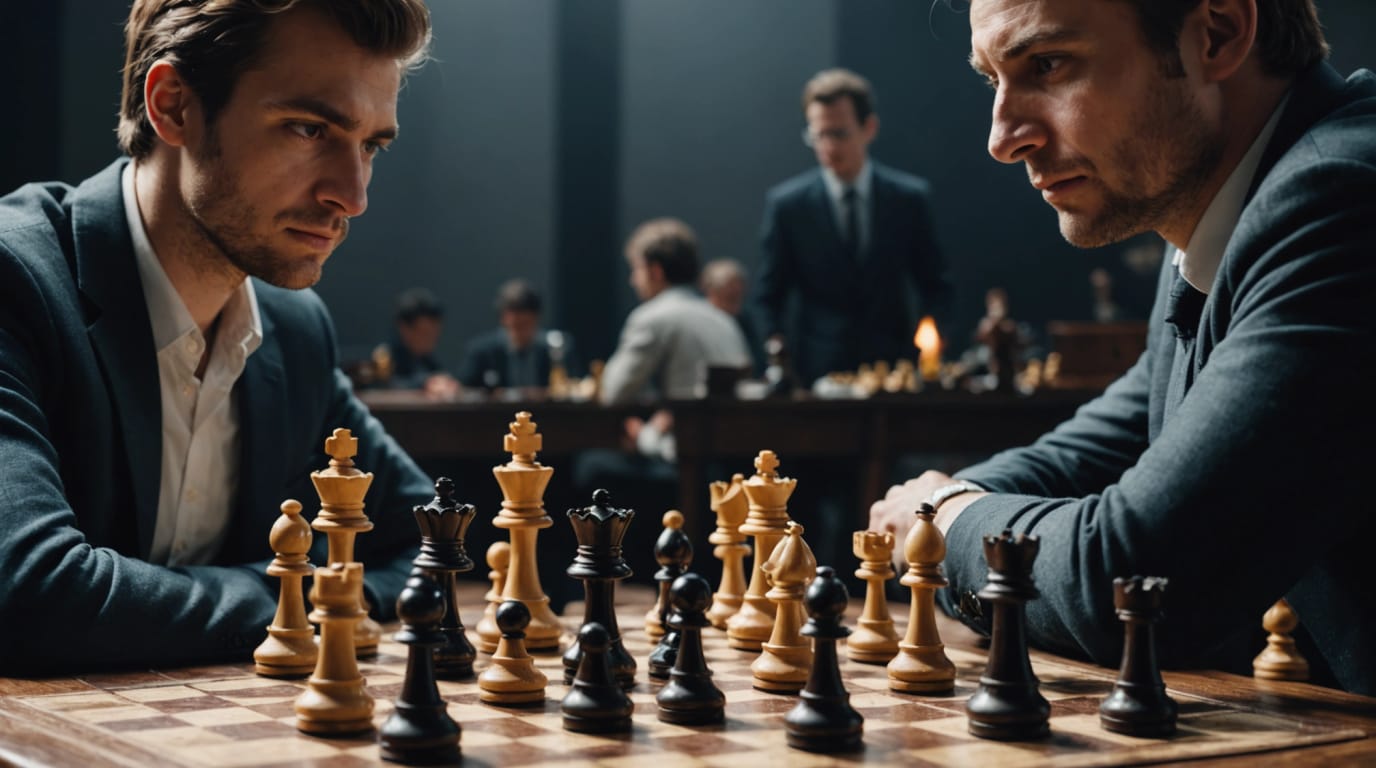
The world of chess is facing a schism as a new variant, known as "freestyle chess," gains popularity, sparking a debate over its legitimacy and the use of the "world championship" title. This dispute pits the established International Chess Federation (FIDE) against the organizers of the Freestyle Chess Grand Slam Tour, leading to questions about the future of the game and the balance between tradition and innovation.
What is Freestyle Chess?
Freestyle chess, also known as Fischer Random Chess or Chess960, was conceptualized by the legendary Bobby Fischer in 1996. It aims to eliminate the memorization of opening moves, a cornerstone of traditional chess, and promote creative, strategic thinking from the very first move. In freestyle chess, the pawns remain in their usual positions, but the placement of the bishops, knights, rooks, queen, and king on the back ranks is randomized. There are only two rules to this randomization: the bishops must start on opposite-color squares, and the king must be placed between the rooks to allow castling. This results in 960 unique starting positions, hence the name Chess960.
The Rise of the Freestyle Chess Grand Slam Tour
Jan Henric Buettner, a German entrepreneur, is spearheading the Freestyle Chess Grand Slam Tour, injecting significant venture capital into the project with the goal of broadening chess's appeal. These tournaments feature top players like Magnus Carlsen and Dommaraju Gukesh competing in a glamorous setting, aiming to create a chess product for non-chess players. Buettner emphasizes entertainment value, seeking to attract a new audience, even if it means downplaying the intricacies of the traditional rules.
FIDE's Concerns and the "World Championship" Title
FIDE, the governing body of chess, views itself as the sole authority responsible for regulating the sport and safeguarding the integrity of the World Championship title. FIDE President Arkady Dvorkovich has voiced concerns about the use of the "world championship" title by freestyle chess organizers, asserting that FIDE alone has the right to determine which events can bear that designation. This stance has led to a conflict, with FIDE perceived by some as attempting to maintain a monopoly over the chess world.
The Clash of Ideologies
The dispute highlights a fundamental difference in ideologies. FIDE emphasizes tradition, established rules, and the historical significance of the World Championship title. Freestyle chess proponents, on the other hand, prioritize innovation, accessibility, and attracting a wider audience, even if it means challenging established norms. Some argue that FIDE's regulations ensure fairness and consistency, while others see freestyle chess as a breath of fresh air, offering an opportunity to rejuvenate interest in the game.
Players Caught in the Middle
The conflict has placed professional chess players in a difficult position. Some players, including Magnus Carlsen and Hikaru Nakamura, have expressed support for the Freestyle Chess Grand Slam Tour, drawn to its innovative format and higher prize money. However, FIDE's stance has created a dilemma, with some players fearing repercussions for participating in events not sanctioned by the organization. Carlsen has even accused FIDE of threatening players who wanted to participate in the tour, an allegation FIDE strongly denies.
Potential Resolutions and the Future of Chess
The dispute between FIDE and freestyle chess organizers remains unresolved, but there are indications that a compromise may be possible. One potential solution is the creation of a separate Freestyle Chess Association, as suggested by participants in the Freestyle Chess Grand Slam. This would allow freestyle chess to develop its own identity and governance structure while avoiding direct conflict with FIDE's authority over traditional chess. The outcome of this conflict will likely shape the future of chess, determining whether the sport embraces innovation and expands its reach or remains firmly rooted in tradition. The chess community awaits a resolution, eager to see how this conflict will be resolved. The anticipation is building and the outcome will have a lasting impact on the sport.