China Extends Lifeline to Cuba Amid Intensifying Sanctions and Power Crisis
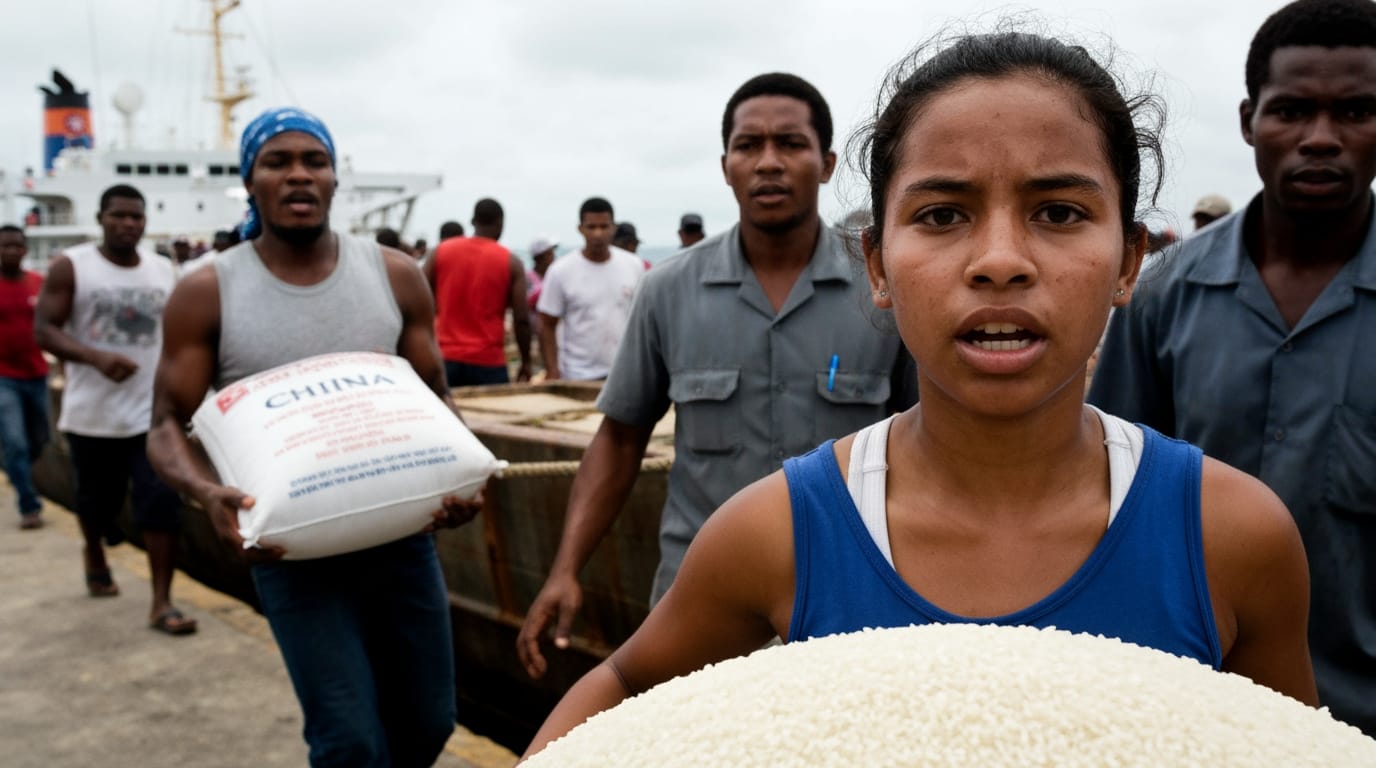
HAVANA — China has dispatched significant emergency aid, including tens of thousands of tons of rice and substantial financial assistance for electrical equipment, to Cuba. The aid arrives as the Caribbean nation grapples with an acute economic crisis marked by severe food and fuel shortages, along with persistent, widespread power outages. This humanitarian effort unfolds against a backdrop of tightened U.S. sanctions and a recent abrupt halt in Venezuelan oil shipments, further straining Cuba's already fragile infrastructure and economy. The arrival of these crucial supplies provides immediate relief to a population facing daily hardships, while also underscoring the complex geopolitical dynamics at play in the region.
A Crucial Delivery: Beijing's Emergency Response
The emergency assistance from China encompasses a substantial donation of rice and financial support aimed at bolstering Cuba's struggling energy sector. Beijing initially announced a donation of 30,000 tons of rice, with the first batches arriving in Cuba in January 2026. This was soon followed by a broader package, approved by Chinese President Xi Jinping, which includes a total of 60,000 tons of rice and an $80 million emergency aid package designated for electrical equipment. The first shipments, including 4,800 tons of rice, began reaching Cuban ports, such as Mariel container terminal and Santiago de Cuba, in January, with additional deliveries continuing into March. One recent shipment, totaling 15,600 tons, arrived in Havana aboard the vessel Loyalty Hong. This influx of a staple food is critical for Cuba, where rice has become increasingly scarce and often sold at prices beyond the reach of many citizens. Cuban Deputy Prime Minister Óscar Pérez-Oliva Fraga formally received the first batch in Havana, expressing gratitude for China's "exemplary, unconditional and selfless cooperation" during a complex period marked by intensified aggression and an unprecedented economic, commercial, and financial blockade by the United States.
Deepening Crisis: Food Insecurity and Economic Contraction
Cuba's economic landscape has deteriorated significantly, leading to chronic shortages of essential goods. The nation has experienced a nearly 15% contraction in its economy over the last five years, according to official data. This downturn has directly impacted the availability of food, medicine, and fuel, exacerbating the daily challenges for the Cuban populace. Rice, a fundamental component of the Cuban diet, exemplifies the acute food insecurity. While the Chinese aid offers a temporary reprieve, its necessity highlights Cuba's growing reliance on international donations to maintain basic consumption levels. Authorities frequently attribute the crisis to the enduring U.S. blockade, a sentiment echoed by Chinese officials who have voiced strong opposition to what they term the "total blockade" and "unlawful unilateral" sanctions. However, some analysts also point to long-standing internal structural inefficiencies, declining domestic production, and a growing dependence on imports as contributing factors to the vulnerability of the Cuban economy.
The Energy Squeeze: Blackouts and Daily Disruption
Beyond food scarcity, Cuba faces a profound energy crisis, manifesting in widespread and prolonged blackouts that disrupt daily life across the island. The nation requires approximately 100,000 barrels of oil per day to sustain its electricity grid, power transportation, and operate factories. The energy squeeze has been significantly compounded by an abrupt cessation of oil and fuel shipments from Venezuela, historically Cuba's most crucial energy partner. Shipping data and internal documents from Venezuela's state-owned oil company, PDVSA, indicated that Caracas had not sent crude oil or refined fuel to Cuba for about a month leading up to the aid announcement. This halt in shipments is linked to American sanctions, which have reportedly caused a decrease in cargo even before the recent disruption. The lack of consistent fuel has not only led to residential power outages but has also forced public services, such as a state-run television and radio station in central Cuba, off air due to diesel shortages. The $80 million Chinese financial aid specifically allocated for electrical equipment seeks to address these critical infrastructure deficiencies and alleviate the severity of the power crisis.
Geopolitical Currents: China's Steadfast Support
China's humanitarian aid package to Cuba carries significant geopolitical weight, underscoring Beijing's deepening ties with Havana and its stance against U.S. foreign policy towards the island. Chinese Ambassador Hua Xin emphasized that the assistance embodies the "deep bonds of special friendship" between the two nations and demonstrates an "unwavering commitment to remain united even in difficult times." The ambassador, who met with Cuban President Miguel Díaz-Canel Bermúdez, conveyed that the decision stemmed from direct instructions from Chinese President Xi Jinping. This show of solidarity comes as China positions itself as a reliable partner for countries facing U.S. sanctions, further solidifying its growing influence in regions traditionally within the U.S. sphere of influence. Chinese officials explicitly frame their support as a response to the "blockade imposed by the U.S.," asserting that with joint efforts, "no blockade will be able to turn off the light of hope, no difficulty will be able to block the path of progress." Beyond immediate relief, the aid reflects China's broader strategy of strengthening cooperation, including modifications to previous energy cooperation projects, such as solar energy donations.
Conclusion: Navigating a Complex Future
The arrival of Chinese rice and financial aid offers a crucial, albeit temporary, reprieve for Cuba as it navigates a multifaceted crisis. The donations address immediate humanitarian needs stemming from severe food and fuel shortages, which are compounded by a prolonged energy crisis and the ongoing impact of U.S. sanctions. While Beijing's assistance provides essential sustenance and support for electrical infrastructure, it also highlights Cuba's increasing dependence on external aid. The complex interplay of global geopolitics, regional alliances, and internal economic challenges continues to shape the daily realities for millions of Cubans. As the island nation strives to overcome these profound difficulties, the solidarity extended by allies like China plays a vital role, even as the long-term sustainability of such solutions remains a subject of ongoing concern and international observation.