China Imposes Travel Bans on New Zealand Lawmakers Following Taiwan Visit
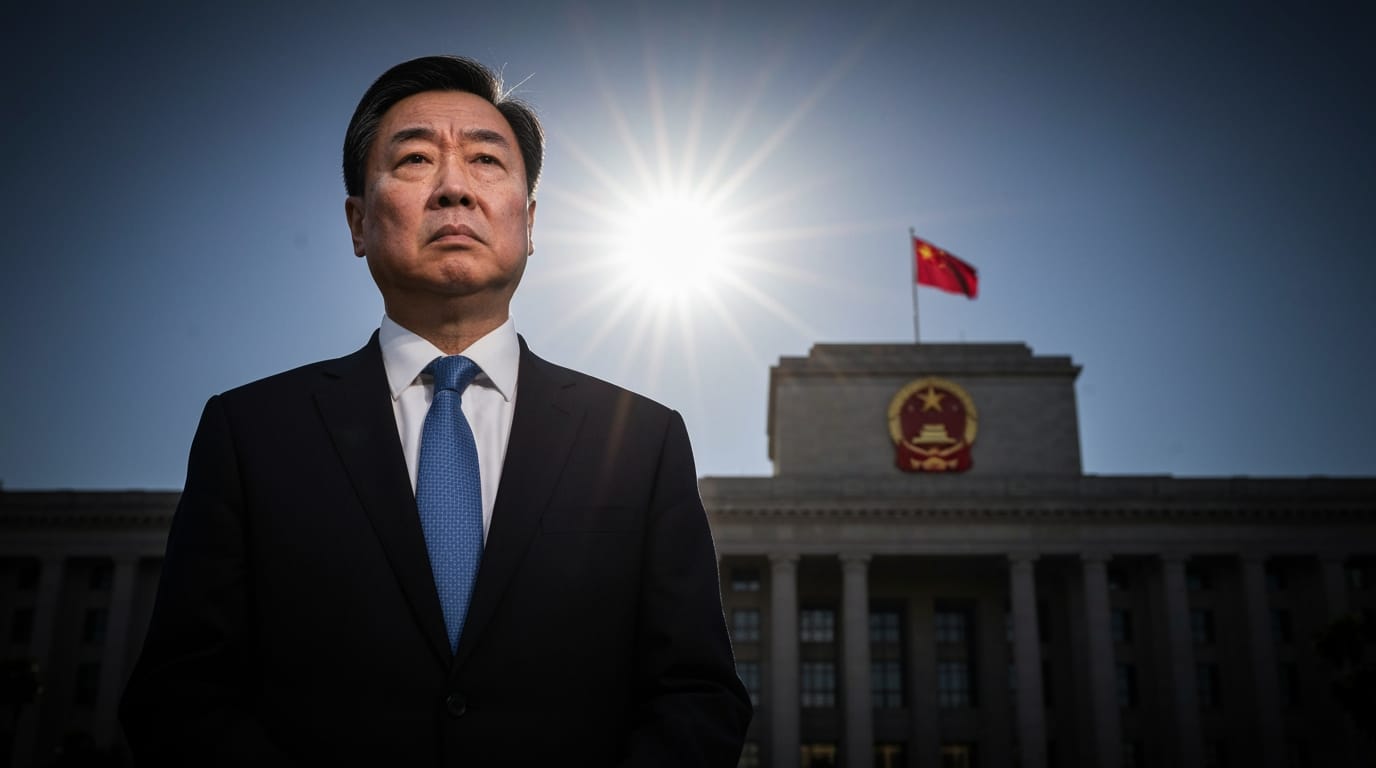
WELLINGTON – China has levied travel bans against four New Zealand lawmakers, prohibiting their entry into mainland China, Hong Kong, and Macau for one year. This unprecedented action follows the lawmakers' visit to Taiwan in May as part of a cross-party parliamentary delegation, igniting a fresh diplomatic spat and underscoring the growing geopolitical complexities surrounding the self-governing island. The move marks a significant escalation in Beijing's response to international engagements with Taiwan, drawing a sharp distinction from past instances where similar visits by New Zealand parliamentarians proceeded without direct punitive measures.
The four individuals affected by the ban are Maureen Pugh of the National Party, Duncan Webb of the Labour Party, Laura McClure of the ACT Party, and David Wilson of New Zealand First. They were part of a five-day parliamentary trip to Taiwan that aimed to foster connections and discuss areas of mutual interest, including trade, healthcare, and semiconductor technology. Beijing's foreign ministry confirmed the sanctions, asserting that any actions violating the "One China" principle would incur consequences and urging adherence to China's sovereignty and territorial integrity. The Chinese Embassy in Wellington reportedly informed New Zealand parliamentary officials that the sanctions could be reduced or lifted if the lawmakers issued an apology for their trip.
The imposition of these travel restrictions highlights China's unwavering stance on Taiwan, which it views as an inalienable part of its territory, destined for eventual reunification, by force if necessary. Under its "One China" principle, Beijing vehemently opposes any official interactions between Taiwan and sovereign states, interpreting such engagements as a challenge to its sovereignty and a tacit endorsement of Taiwanese independence. Visits by foreign government officials or parliamentarians are consistently met with strong condemnation, often accompanied by diplomatic protests or economic measures. This recent action against New Zealand lawmakers underscores Beijing's readiness to enforce its "red lines" on the Taiwan question, even against countries with whom it maintains significant economic ties.
New Zealand's Ministry of Foreign Affairs, while acknowledging its long-standing "One China" policy, which recognizes Beijing's claim over Taiwan, expressed surprise at China's decision. Officials in Wellington noted that visits by New Zealand Members of Parliament to Taiwan have been a common practice for decades and have not previously been deemed inconsistent with the country's diplomatic framework. New Zealand's Foreign Minister, Winston Peters, has instructed diplomatic staff in both Beijing and Wellington to raise the issue with their Chinese counterparts, seeking clarification on this departure from established practice and expressing concern over the travel bans. Despite the diplomatic friction, New Zealand's foreign ministry affirmed its intention to continue trade, economic, cultural, and indigenous exchanges with Taiwan, emphasizing the benefits such interactions bring to New Zealanders. This response reflects a delicate balance, where Wellington seeks to uphold parliamentary autonomy and maintain non-official ties with Taiwan while navigating its crucial economic relationship with China, its largest trading partner.
The affected lawmakers, particularly Laura McClure, have publicly rejected the demand for an apology, characterizing it as "insulting" and a form of "foreign interference." McClure emphasized the right of New Zealand parliamentarians to travel freely and engage with international partners, stating that New Zealand is a sovereign nation and its elected representatives should not be intimidated. Labour MP Duncan Webb echoed this sentiment, underlining the value New Zealand places on democratic institutions and the right to engage with partners abroad. Both lawmakers indicated they would not apologize solely for visiting Taiwan. This firm stance from the individual parliamentarians adds another layer of complexity to the diplomatic exchange, as they assert their roles independent of governmental foreign policy directives. The Chinese embassy had reportedly warned the lawmakers prior to their trip that a visit to Taiwan could result in a ban.
The incident is not isolated, fitting into a broader pattern of China employing travel bans and sanctions as tools of diplomatic pressure against Western politicians. Previous instances include sanctions against British Members of Parliament in 2021 for their criticism of human rights in Xinjiang. However, this marks the first time such measures have been directly applied to New Zealand parliamentarians for a visit to Taiwan, signaling a potential shift in Beijing's approach to countries it perceives as smaller allies. The creation of the All-Party Parliamentary Group on Taiwan in March 2023 by New Zealand lawmakers Simon O'Connor and Ingrid Leary, explicitly aimed at improving connections with Taiwan, had already drawn concerns from the Chinese embassy regarding potential breaches of the "One China" policy.
This diplomatic episode places New Zealand in a challenging position, requiring it to balance its democratic values and the autonomy of its elected officials with the significant economic realities of its relationship with China. The situation underscores the increasing assertiveness of Beijing in enforcing its claims over Taiwan and the delicate tightrope walk many nations undertake in their foreign policy to navigate these complex geopolitical currents. The incident also serves as a reminder of the potential costs associated with engaging with Taiwan, even in an unofficial capacity, as nations and their representatives weigh the benefits of such engagement against the risk of Beijing's retaliatory measures.


