China Vows to "Fight to the End" Against Trump's New Tariff Threat
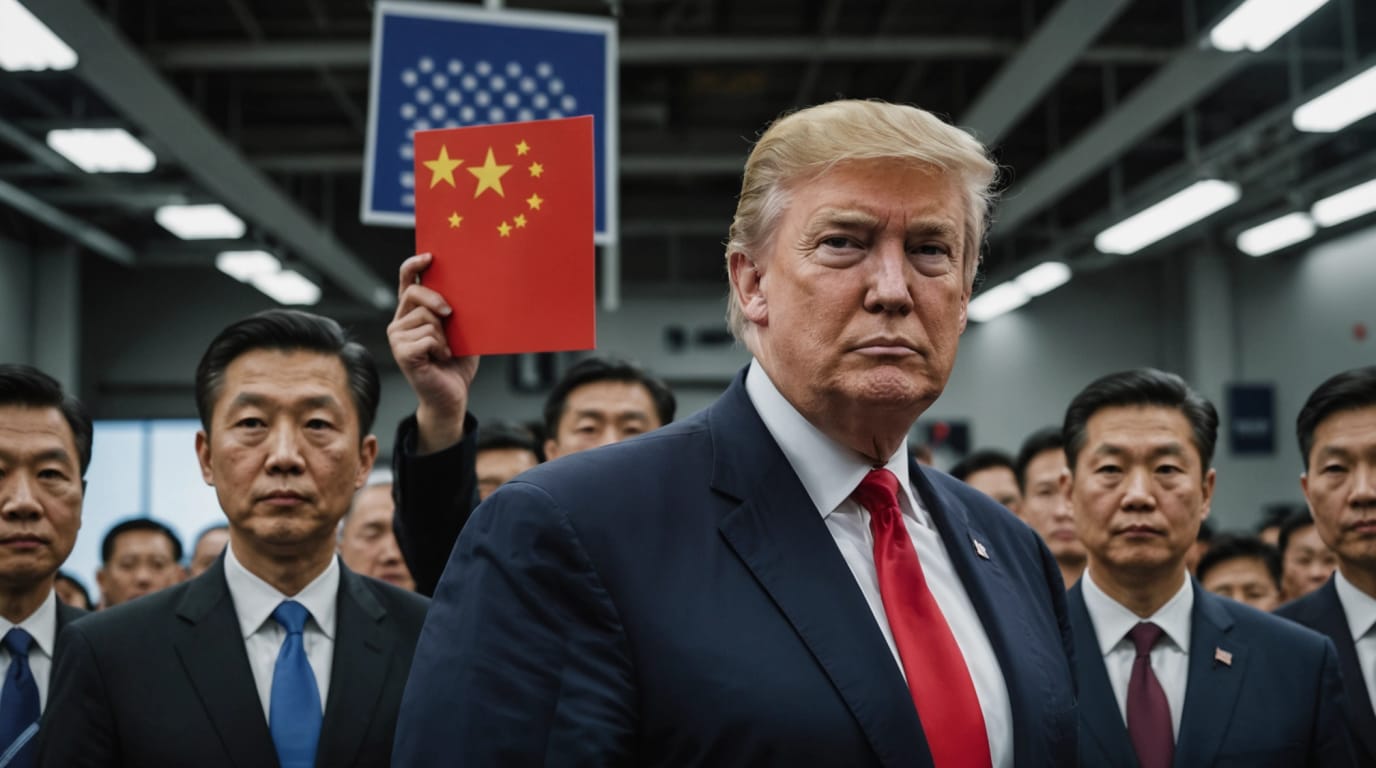
Beijing – China has reacted strongly to President Donald Trump's threat to impose an additional 50% tariff on Chinese imports, vowing to retaliate if the U.S. proceeds with the new levies. The escalating trade dispute between the world's two largest economies has rattled global markets and raised fears of a potential international recession.
The Chinese Commerce Ministry released a statement Tuesday condemning the proposed tariffs as "completely groundless" and a "typical unilateral bullying practice." The ministry asserted that China would take countermeasures to protect its interests and maintain international trade order.
"Mistake on Top of a Mistake"
China's response has been firm, labeling the U.S. threat a "mistake on top of a mistake" and accusing the Trump administration of "blackmail." A spokesperson for the Commerce Ministry stated that China would "fight to the end" if the U.S. insists on escalating the trade war.
The ministry also emphasized that the countermeasures China has taken are aimed at safeguarding its sovereignty, security, and development interests, and maintaining the normal international trade order, and are therefore "completely legitimate."
Trump's Ultimatum
Trump's threat came after China announced its own 34% duties on American goods in response to earlier U.S. tariffs. The president issued an ultimatum, stating that if China did not withdraw its retaliatory tariffs by April 8, 2025, the additional 50% tariffs would take effect on April 9, 2025.
In a post on Truth Social, Trump also indicated that all talks with China concerning requested meetings would be terminated. If implemented, the new tariffs would bring the total U.S. tariffs on Chinese goods to 104%.
Impact on Global Markets
The escalating trade tensions have already had a significant impact on global financial markets. Stock markets around the world have experienced increased volatility, and concerns about a potential recession have grown.
The dispute has also sparked criticism from within the U.S., including members of Trump's own Republican party. Many worry about the potential consequences of a prolonged trade war on American businesses and consumers.
Calls for Dialogue
Despite the tough rhetoric, China has reiterated its willingness to engage in dialogue to resolve the trade dispute. The Commerce Ministry urged the U.S. to cancel all unilateral tariff actions and settle disputes through negotiation.
"There are no winners in a trade war," the ministry stated, emphasizing the importance of finding a peaceful resolution to the conflict. However, with both sides seemingly entrenched in their positions, the prospects for a quick resolution remain uncertain.
Tit-for-Tat Measures
The current trade dispute has been characterized by a series of tit-for-tat measures, with each country imposing tariffs on the other's goods in response to previous actions. This cycle of escalation has raised concerns about the potential for further damage to the global economy.
The U.S. has accused China of unfair trade practices, including intellectual property theft and currency manipulation. China, in turn, has accused the U.S. of protectionism and undermining the multilateral trading system.
Future Uncertain
The future of the trade relationship between the U.S. and China remains uncertain. If Trump follows through on his threat to impose additional tariffs, it could lead to a further escalation of the trade war and potentially have significant consequences for the global economy.
Whether the two countries can find a way to resolve their differences through dialogue remains to be seen. However, the current situation highlights the challenges of managing trade relations in an increasingly interconnected world.


