Chinese Communist Party Concludes Fifth Plenum and Expels Thirty-Three Senior Officials
The decisions consolidate President Xi Jinping's authority across the military and government while leaving succession plans unaddressed before the 2027 party congress.
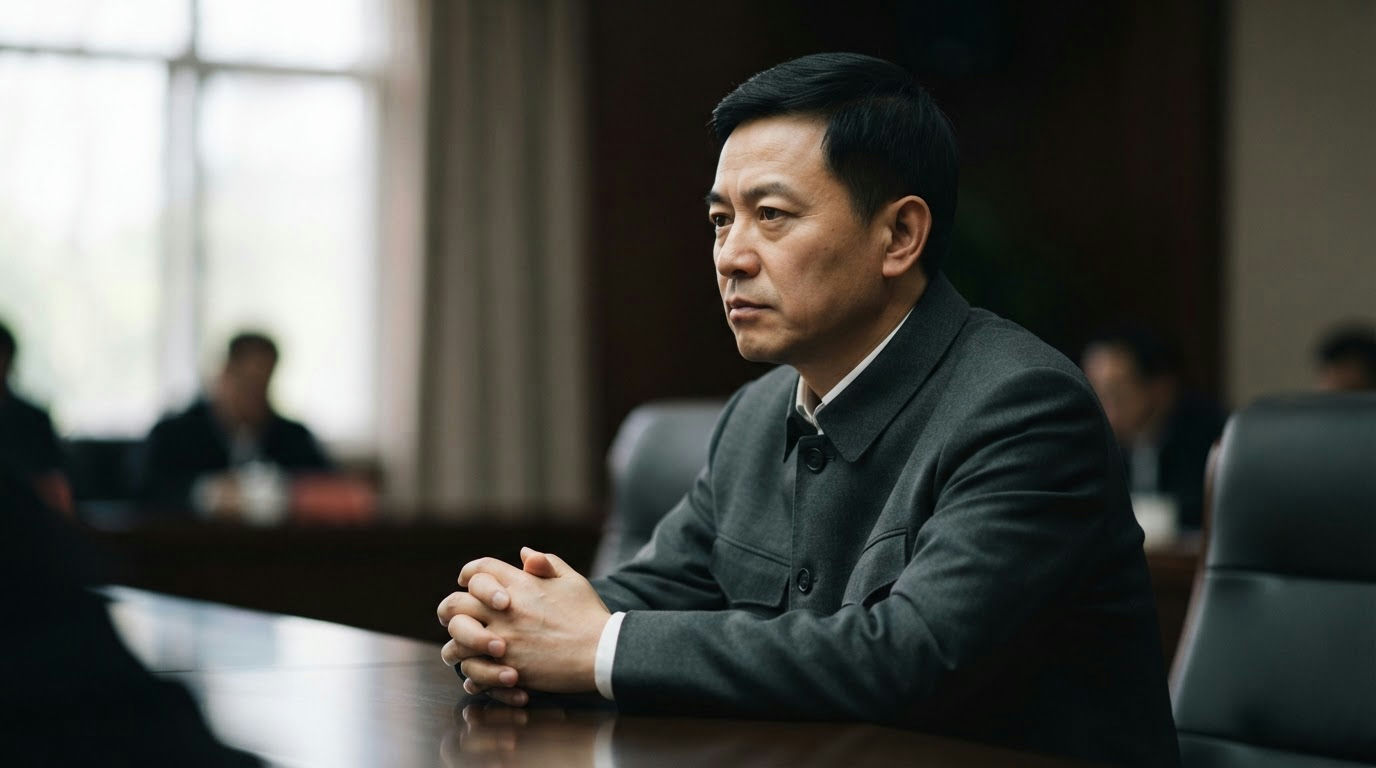
The 20th Central Committee of the Chinese Communist Party concluded its four-day Fifth Plenary Session in Beijing on October 29. The closed-door gathering focused on political loyalty, anti-corruption rules, and bureaucratic discipline rather than five-year economic goals.
The session ended without naming or indicating a successor to Chinese President and party General Secretary Xi Jinping. Party leaders officially confirmed the expulsion of a record 33 senior officials over disciplinary violations, corruption, and political factionalism.
Attendance fell to its lowest point since 1976 following extensive purges in the military and civilian ministries. Only 162 of 205 full Central Committee members and 117 alternate members attended the gathering.
Those confirmed as expelled included former Politburo member Ma Xingrui and former Central Military Commission Vice Chairman General Zhang Youxia. Former Joint Staff Chief General Liu Zhenli, former senior diplomat Liu Jianchao, and former securities regulator Yi Huiman were also removed.
General Zhang Shengmin was elevated to the Politburo, becoming its 22nd member and its only uniformed military representative. Following the purges, the seven-seat Central Military Commission shrank to two members: Xi as chairman and Zhang as vice chairman.
China's Central Commission for Discipline Inspection disclosed that authorities disciplined 680,000 party officials in the first nine months of 2026. Xi opened the session on October 26 by detailing a draft decision on party self-governance.
Xi had previously warned in remarks in Qiushi Journal that the party must bar two-faced individuals who ignore directives privately. The official plenum communiqué stated that the party had eliminated serious hidden dangers within the government, military, and party apparatus.
The communiqué added that democratic centralism remains the party's fundamental organizational principle. Steve Tsang, director of the SOAS China Institute, said the discipline campaign prepared the way for Xi to extend his mandate without disruption.
Senior policy adviser Ruby Osman said the leadership used the meeting to align rising cadres with Xi's strategic evaluations. The plenum occurred during domestic property market problems, slow consumer spending, and geopolitical tensions with Western powers over trade and technology.
Xi previously eliminated presidential term limits in 2018 and secured a third term as party chief in 2022. Economic planning for the 15th Five-Year Plan had already shifted forward to the Fourth Plenum in October 2025.
The Central Committee resolved to convene the 21st National Congress in Beijing in the second half of 2027. The party will release the full self-governance decision outlining accountability rules for provincial and ministerial officials over the coming months.