Christmas Shadow: Domestic Violence Surges in German Homes During Festive Season
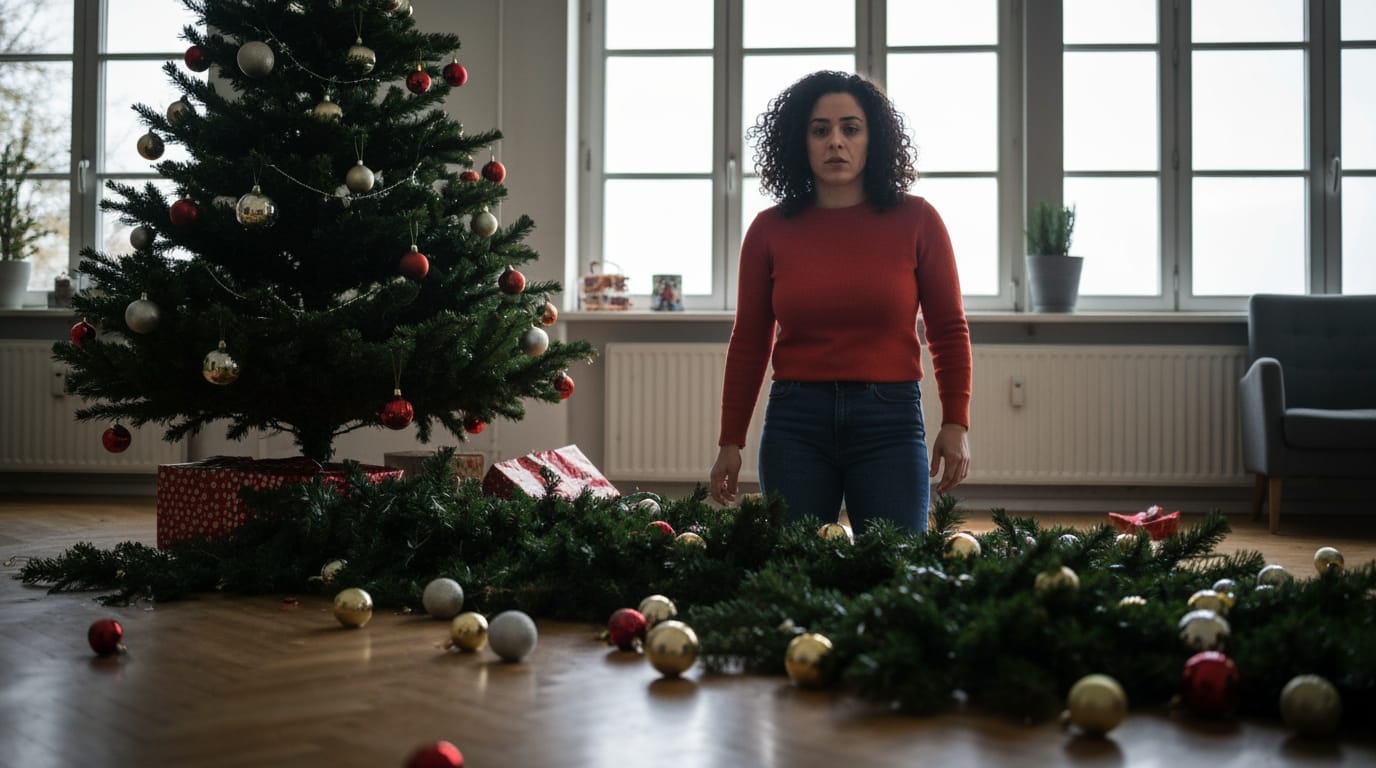
As Germany prepares for the festive cheer of Christmas, a darker, persistent trend casts a long shadow over the holiday season: a significant and alarming rise in domestic violence. While the nation collectively anticipates peace and goodwill, countless individuals, predominantly women, face heightened fear and abuse within their own homes, transforming a time of supposed joy into one of peril. This seasonal spike compounds an already escalating crisis, with recent figures indicating record levels of domestic violence across the country.
The increase during the holidays is not an isolated phenomenon but rather an exacerbation of a deeply rooted societal issue. Official data from Germany's Federal Criminal Police Office (BKA) for 2024 revealed a troubling landscape, with 265,942 people officially registered as victims of domestic violence. This represents a 3.8 percent increase from the previous year and a substantial 17.8 percent rise over the past five years. Women and girls constitute the overwhelming majority of these victims, accounting for 70.4 percent of reported cases. Alarmingly, one woman in Germany is affected by intimate partner violence every hour, and nearly one femicide occurs daily, often at the hands of a current or former partner.
The Perilous Paradox of the Holidays
The Christmas period, traditionally a time for family togetherness, inadvertently creates a "perfect storm" for increased domestic abuse. Experts and support organizations point to several converging factors that intensify existing tensions and escalate violence. Foremost among these are the heightened stress levels associated with the holidays. Financial pressures stemming from gift-buying and hosting, coupled with increased childcare demands, can strain household budgets and relationships, serving as a trigger for abusive behavior.
Another critical factor is the prolonged and unavoidable proximity of individuals within the home. With schools and workplaces often closed, victims may find themselves trapped with their abusers for extended periods, eliminating the temporary respite these external environments typically offer. This constant presence can make it significantly more difficult for victims to seek help or connect with support services discreetly. Further complicating the situation is the increased consumption of alcohol and other substances during festive celebrations. Alcohol, while not a cause of violence itself, can impair judgment and lower inhibitions, escalating pre-existing violent tendencies. Societal expectations to portray a "happy and harmonious family image" during Christmas also compel many victims to conceal their abuse, further isolating them and delaying their access to crucial support.
The Hidden Crisis: Underreporting and Its Consequences
Despite the stark statistics, official figures are widely acknowledged to represent only a fraction of the true scope of domestic violence in Germany. Research indicates that as few as five percent of all intimate partner violence incidents are reported to authorities. The reasons for this profound underreporting are manifold and deeply personal, including fear of retaliation, financial or emotional dependency on the abuser, and overwhelming feelings of shame. BKA president Holger Muench emphasized that even the reported figures underscore that "violence against women, violence in partnerships and violence in families is a serious and significant societal problem."
The consequences of domestic violence are devastating, extending far beyond physical injuries. Victims often endure severe psychological trauma, including anxiety, depression, and post-traumatic stress disorder. Children exposed to such violence, even if not directly targeted, suffer significant emotional and developmental harm, as their home environment becomes a source of terror rather than safety. During the holidays, the closures of schools—often a safe haven and an avenue for reporting abuse—can further restrict children's opportunities to seek help.
Bolstering Support: Legislative Action and NGO Efforts
Recognizing the escalating crisis, the German government has initiated legislative measures to strengthen victim protection. The Violence Assistance Act, a groundbreaking federal law, establishes a legal right for victims of gender-based and domestic violence to access free protection and counseling services. This legislation aims to provide nationwide access to support, irrespective of a victim's place of residence. The government has committed €2.6 billion in funding between 2027 and 2036 to expand women's shelters, improve access to counseling services, and bolster prevention efforts through offender programs and public awareness campaigns.
However, the full implementation of this crucial law faces significant delays, with some provisions not set to take effect until January 2032. Women's rights organizations have criticized this extended timeline, arguing that such delays could cost lives and that victims cannot afford to wait. In response to the ongoing surge in cases, a draft amendment to the Act on Protection Against Violence proposes further measures, including electronic monitoring for domestic violence offenders and mandatory participation in social training courses.
Crucially, non-governmental organizations remain at the forefront of providing immediate support. WEISSER RING, the only nationwide victim support organization in Germany, offers anonymous and free assistance through its helpline (116 006) and local branches. Similarly, the Violence against Women Helpline (116 016) provides round-the-clock, confidential counseling in multiple languages, serving as a vital first point of contact for victims and their relatives. These organizations also focus on supporting children in women's shelters, recognizing their unique needs and vulnerabilities.
A Call for Collective Vigilance
As Christmas approaches, the statistics paint a grim picture, yet they also serve as a powerful call to action. The increase in domestic violence during the holidays is a complex issue fueled by a confluence of societal pressures and individual behaviors. While legislative reforms and the tireless efforts of support organizations are essential, combating this crisis requires broader societal engagement.
The challenge extends beyond official reports and government initiatives; it demands increased community awareness and vigilance. Friends, family, and neighbors play a crucial role in recognizing the signs of abuse and offering support. Understanding that the holidays can be a particularly isolating and dangerous time for victims is the first step toward creating a safer environment. As Germany navigates the holiday season, the commitment to addressing domestic violence must extend beyond policy discussions to reach every home, ensuring that the festive period does not become a time of fear, but rather a moment of heightened protection and solidarity for those most vulnerable.