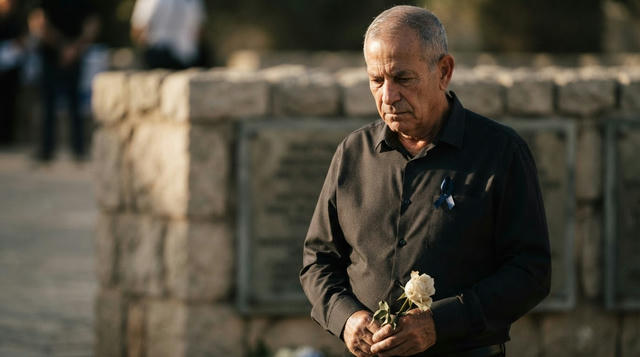
Clalit Report Details Ongoing Mental Health Crisis Three Years After Oct. 7
A comprehensive health review shows lasting psychological trauma among millions of Israelis, placing severe and sustained demand on the nation's healthcare system.

Psychiatric emergencies, anxiety and post-traumatic stress disorder remain elevated across Israel three years after the Hamas-led attacks of Oct. 7, 2023, according to a comprehensive health analysis released by Clalit Health Services. The findings, published ahead of the third anniversary of the assault, show that the psychological impact of the war continues to strain mental health resources nationwide.
The report examined records from about 5 million members enrolled in Clalit, the country's largest healthcare provider. The assessment evaluated medical outcomes from October 2023 through September 2026, comparing the figures with patient data from the two years before the conflict began.
Nationwide, new diagnoses of post-traumatic stress disorder doubled during the first year of the war and stayed higher than baseline levels. New anxiety diagnoses jumped 45.5 percent across the general population during that initial year. Referrals and patient visits to community mental health clinics rose between 20 percent and 28 percent over the three-year monitoring period.
The sharpest rise occurred among young people and displaced families. Psychiatric emergency visits among children and teenagers rose 78.3 percent in the second year and reached 121.3 percent above prewar levels in the third year. Pediatric referrals to mental health providers increased by 52.1 percent.
Residents evacuated from communities near the Gaza border experienced the highest rates of trauma. New cases of post-traumatic stress disorder among southern evacuees multiplied eighteenfold during the first year. While those rates later decreased, diagnoses in the third year still stood six times higher than prewar baselines.
Sleep disorder diagnoses among southern evacuees surged approximately 358 percent during the conflict. First-year anxiety cases in that group were 10 times higher than previous averages. Mental health clinic visits from displaced border residents increased between twofold and 4.5-fold.
Clalit Chief Executive Officer Eytan Wirtheim said the war leaves an enduring health imprint that does not disappear when security operations subside. Separate research by the Israel Center for Addiction and Mental Health noted that prolonged stress also generated higher rates of sedative and unprescribed opioid use across secular and younger populations.
Public health providers and trauma specialists plan to present updated resource requests to the Health Ministry to expand specialized community trauma clinics and pediatric psychiatric capacity.