Coral Archives Reveal Modern El Niño Events Have Surged to Unprecedented Strengths
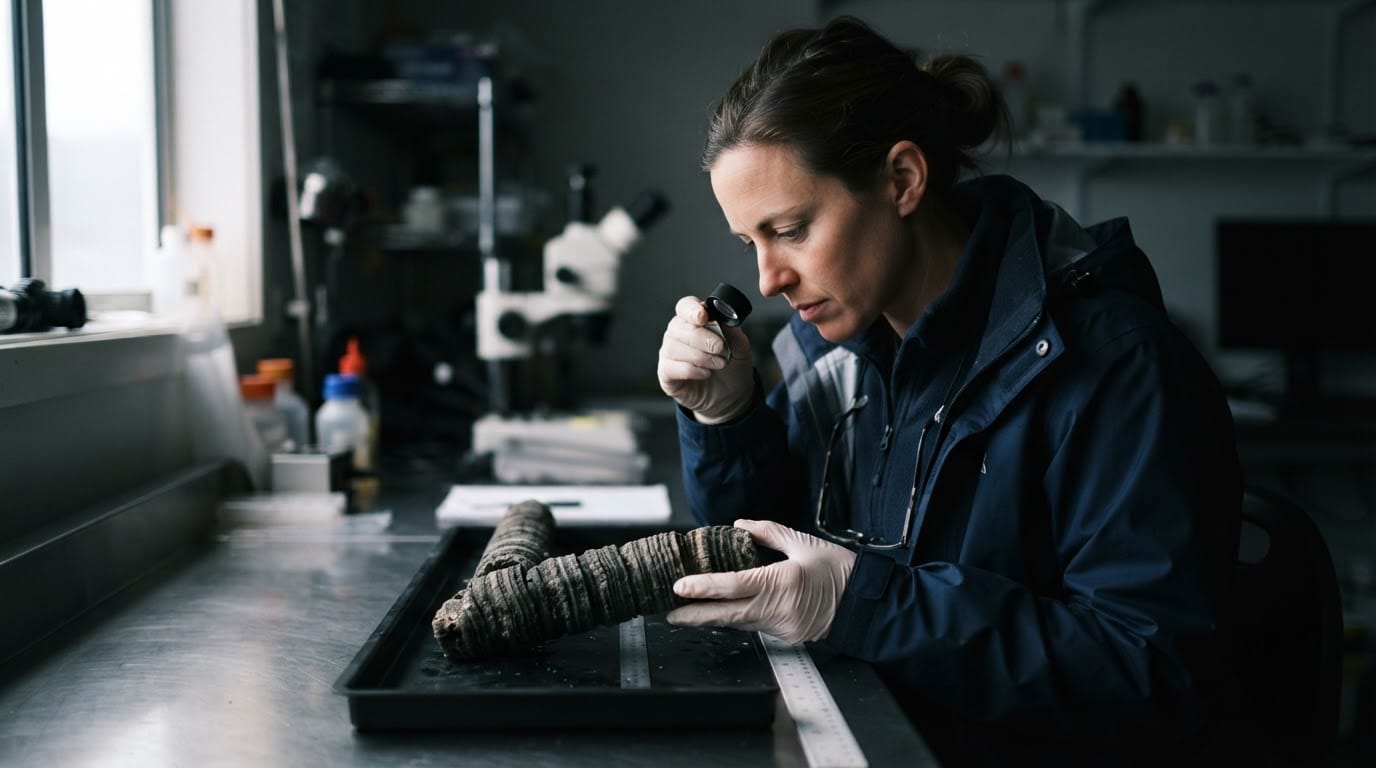
Deep beneath the equatorial waters of the Pacific Ocean, ancient coral formations are unlocking one of the most pressing questions in modern climate science. Geochemical records extracted from tropical coral skeletons show that El Niño events have grown nearly 40 percent stronger over the past four decades than during the preindustrial era, reaching intensity levels unprecedented in the last millennium. The findings establish a physical link between rising global temperatures and the escalating ferocity of the planet's most influential weather engine.
Reading the Ocean's Ring System
For decades, meteorologists struggled to determine whether recent bouts of extreme weather were natural variations or the result of a warmer atmosphere. Standard satellite tracking began only in the late 20th century, and historical ship logs provide patchy, incomplete data. To overcome this blind spot, researchers turned to stony corals in the Galápagos Islands, an area positioned squarely in the eastern Pacific nursery of El Niño.
Corals grow outward by one to two centimeters annually, depositing rigid layers of calcium carbonate that preserve a chemical footprint of surrounding water. Much like tree rings, these bands document environmental shifts year by year. When ocean waters warm during an El Niño event, coral structures absorb less strontium and incorporate a lower ratio of heavy oxygen-18 isotopes relative to lighter oxygen-16. By extracting continuous core samples from both living colonies and ancient reef boulders, paleoclimatologists assembled a high-resolution, seasonal temperature record reaching back 1,000 years.
A Sharper Cycle in Recent Decades
The compiled data demonstrate a stark shift beginning in the late 20th century. During the 1,000 years prior to widespread industrialization in 1850, El Niño swings followed moderate rhythms of variability. Natural climate drivers, including massive volcanic eruptions and solar variations, repeatedly nudged sea temperatures up and down, but none generated prolonged spikes comparable to modern observations.
Over the last 40 years, however, Eastern Pacific variability surged roughly 37 percent above preindustrial baselines. High-intensity events such as those observed in 1982, 1997, and 2015 repeatedly shattered earlier benchmarks. Computer simulations comparing natural climate cycles against modern emissions confirm that natural variations alone cannot account for the recent rise in intensity, pointing to human greenhouse gas emissions as the primary catalyst.
Differing Views on Natural Variability
While the coral record offers compelling evidence, some atmospheric scientists advise caution when interpreting historical proxies. Skeletal growth rates and regional chemical variations can be influenced by local water salinity, ocean currents, and reef health, introducing small uncertainties into proxy temperatures.
Furthermore, earlier research examining coral archives stretching back 7,000 years across the broader central Pacific showed that El Niño activity naturally fluctuates over multi-century intervals, at times creating temporary periods of heightened intensity without human intervention. However, independent studies combining modern coral samples from multiple Pacific archipelagos, including Vanuatu and the Line Islands, increasingly demonstrate that contemporary warming coincides with an unmistakable uptick in extreme events across the eastern equatorial belt.
Global Stakes for Vulnerable Communities
The intensification of El Niño reaches far beyond marine biology, directly shaping livelihoods around the globe. During strong events, shifting Pacific trade winds displace massive volumes of warm water and alter global jet streams. This disruption triggers catastrophic droughts and brushfires in parts of Australia and Southeast Asia while driving torrential rainfall, landslides, and infrastructure damage across the western Americas.
The phenomenon also carries grave irony for the corals that document it. Prolonged marine heatwaves associated with supercharged El Niño episodes trigger widespread bleaching, expelling the symbiotic algae that sustain reef ecosystems. As the oceans absorb more atmospheric heat, the very organisms providing records of past stability face increasing mortality.
Connecting Past Cycles to Future Risks
By transforming marine fossils into climate chronometers, researchers have established a clear baseline for the world's most vital oceanic cycle. The evidence indicates that the extreme El Niño patterns experienced over the past few decades represent an abnormal departure from a thousand years of natural history. As global average temperatures continue to climb, these oceanic archives warn that the weather disruptions tied to El Niño will likely strike with greater power and higher stakes for human populations worldwide.