Cuba Amasses Drone Arsenal from Russia and Iran, Raising U.S. Concerns Over Potential Threats
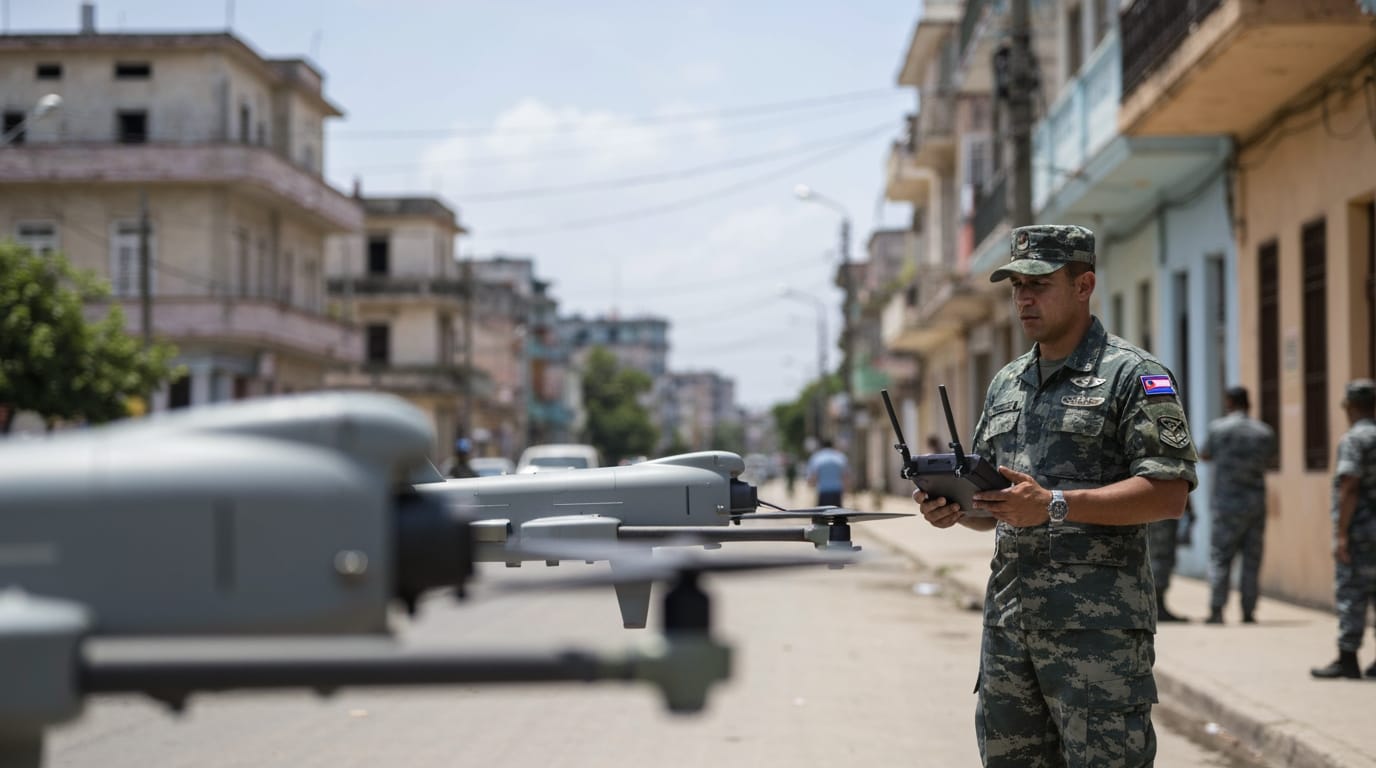
HAVANA — Cuba has quietly acquired more than 300 military strike drones from Russia and Iran since 2023, deploying them at strategic locations across the island and prompting heightened vigilance from U.S. intelligence officials. The acquisition, detailed in recent intelligence assessments, marks a significant shift in Cuba's military capabilities and introduces a new layer of complexity to the already strained relations between Havana and Washington.
U.S. officials, citing classified intelligence, report that Cuban military planners are discussing the potential use of these unmanned aerial systems (UAS) against American targets. These discussions reportedly include scenarios involving the U.S. naval base at Guantanamo Bay, American naval vessels operating in nearby waters, and possibly even targets in Key West, Florida, located just 90 miles from Cuba's shores. While Washington does not currently view Cuba as posing an "immediate threat" or actively planning attacks, the development is regarded as a "growing threat" due to the proximity of these advanced military assets and the involvement of actors considered hostile to U.S. interests.
A New Dimension to Cuban Defense Capabilities
The newly acquired drone fleet comprises systems with "varying capabilities," sourced from two of the world's most experienced drone powers: Russia and Iran. Iran, in particular, has developed a robust and diverse drone industry, exporting various models from suicide drones like the Shahed-136 to more advanced combat and surveillance platforms. These Iranian drones are known for their cost-effectiveness and proven combat records, having been deployed by various proxies in the Middle East and extensively by Russia in Ukraine. Russia, too, has prioritized the development and production of its own UAVs, integrating them into its military strategies. The deployment of these drones in strategic locations across Cuba suggests a deliberate effort to enhance the island's defense posture and potentially project power within the Caribbean basin. The dispersed storage further indicates a strategy to complicate any potential countermeasures.
This accumulation of drone technology represents a substantial upgrade to Cuba's conventional military, moving beyond older Cold War-era equipment. It signals a strategic shift, potentially influenced by modern conflict zones where drones have proven to be decisive. The presence of such technology close to U.S. territory, coupled with reported internal discussions of targeting American assets, has naturally escalated concerns within U.S. defense circles.
Geopolitical Undercurrents and Strategic Alignments
The timing and nature of Cuba's drone acquisitions are deeply intertwined with evolving geopolitical dynamics and historical alliances. A significant factor contributing to Cuba's interest in drone warfare stems from the combat experience of Cuban soldiers in Ukraine. U.S. officials estimate that up to 5,000 Cuban soldiers have fought alongside Russian forces, providing invaluable, first-hand exposure to the effectiveness of drone technology in modern warfare. These soldiers, reportedly paid approximately $25,000 per head by Moscow, have brought back crucial insights into drone tactics and capabilities, informing Havana's military planning.
Furthermore, Cuban intelligence officers are reportedly studying how Iran has "resisted" U.S. military pressure. This focus on Iran's asymmetric warfare strategies, which heavily feature drones, suggests a deliberate attempt by Cuba to adapt similar doctrines for its own defense against potential U.S. actions. The long-standing anti-imperialist ideological alignment between Cuba and Iran, established after the 1979 Iranian Revolution, has fostered a history of cooperation that includes defense, military, and intelligence exchanges. Iranian military advisers are reportedly already on the ground in Cuba, further facilitating this transfer of knowledge and technology.
This military buildup occurs against a backdrop of severely deteriorating relations between Havana and Washington. The island already hosts Russian and Chinese signals intelligence facilities, which have been a persistent source of anxiety for U.S. national security officials. The addition of attack-capable drones transforms Cuba from a passive intelligence-gathering partner for U.S. adversaries into a nation with more potent offensive capabilities, even if limited.
U.S. Response and Mounting Tensions
The U.S. administration, particularly under President Trump, views these developments with increasing seriousness. Central Intelligence Agency (CIA) Director John Ratcliffe recently visited Havana, delivering a stark warning to Cuban officials against any hostile actions. During his visit, Ratcliffe reportedly urged Cuba to abandon its totalitarian system as a prerequisite for the lifting of long-standing U.S. sanctions. A CIA official emphasized that "the Western Hemisphere cannot be our adversaries' playground."
The U.S. concerns are not limited to military posturing. The Department of Justice is also reportedly preparing to unseal an indictment against former Cuban leader Raúl Castro, related to the 1996 shootdown of two civilian planes operated by a Miami-based aid group. This legal pressure, coupled with the military concerns, indicates a multifaceted approach by Washington to confront Havana. Despite the alarm, U.S. officials maintain that Cuba does not pose the same level of military threat as it did during the Cuban Missile Crisis. However, the strategic implications of hostile actors possessing advanced drone technology just 90 miles from U.S. shores remain a significant concern.
Historical Roots of Alliance
The current military cooperation between Cuba, Russia, and Iran is rooted in decades of shared geopolitical interests and ideological solidarity. Cuba and Russia share a deep history of military and economic cooperation that dates back to the Soviet era. Following the 1959 Cuban Revolution, Cuba became a key Soviet ally, heavily reliant on Soviet markets and military aid. Although relations cooled after the Soviet Union's collapse, they saw significant improvement under Russian President Vladimir Putin, with renewed economic ties and military cooperation agreements, including a recent ratification of a new military pact. This enduring relationship provides a natural conduit for military technology transfers.
Similarly, Cuba's ties with Iran strengthened after the 1979 Islamic Revolution, driven by a mutual anti-Western and anti-imperialist stance. This alliance has manifested in various forms of cooperation, including intelligence sharing and diplomatic support. Iran's established role as a global exporter of drone technology to various nations and non-state actors, including Venezuela, further solidifies its position as a key supplier for Cuba in this new military venture.
Conclusion: An Evolving Threat Landscape
The acquisition of over 300 military drones by Cuba from Russia and Iran represents a significant development in the geopolitical landscape of the Caribbean. While U.S. intelligence assesses that Cuba is not preparing an immediate attack, the discussions among Cuban military officials regarding potential strikes on U.S. targets, combined with Cuba's strategic location and historical alliances, create an undeniable and evolving threat. The convergence of Cuban military learning from the Ukraine conflict, Iran's expertise in drone warfare and asymmetric tactics, and Russia's continued military support for Havana introduces a new dynamic to regional security. The U.S. faces the challenge of navigating this complex situation, employing both diplomatic warnings and potential legal actions, to mitigate a growing concern that Cuba could become a platform for adversaries to advance hostile agendas in the Western Hemisphere. The long-term implications of this drone buildup will undoubtedly continue to shape the intricate relationship between Havana and Washington.


