Dawn Breaks on Ancient Rites: Thousands Gather at Stonehenge for Summer Solstice 2026
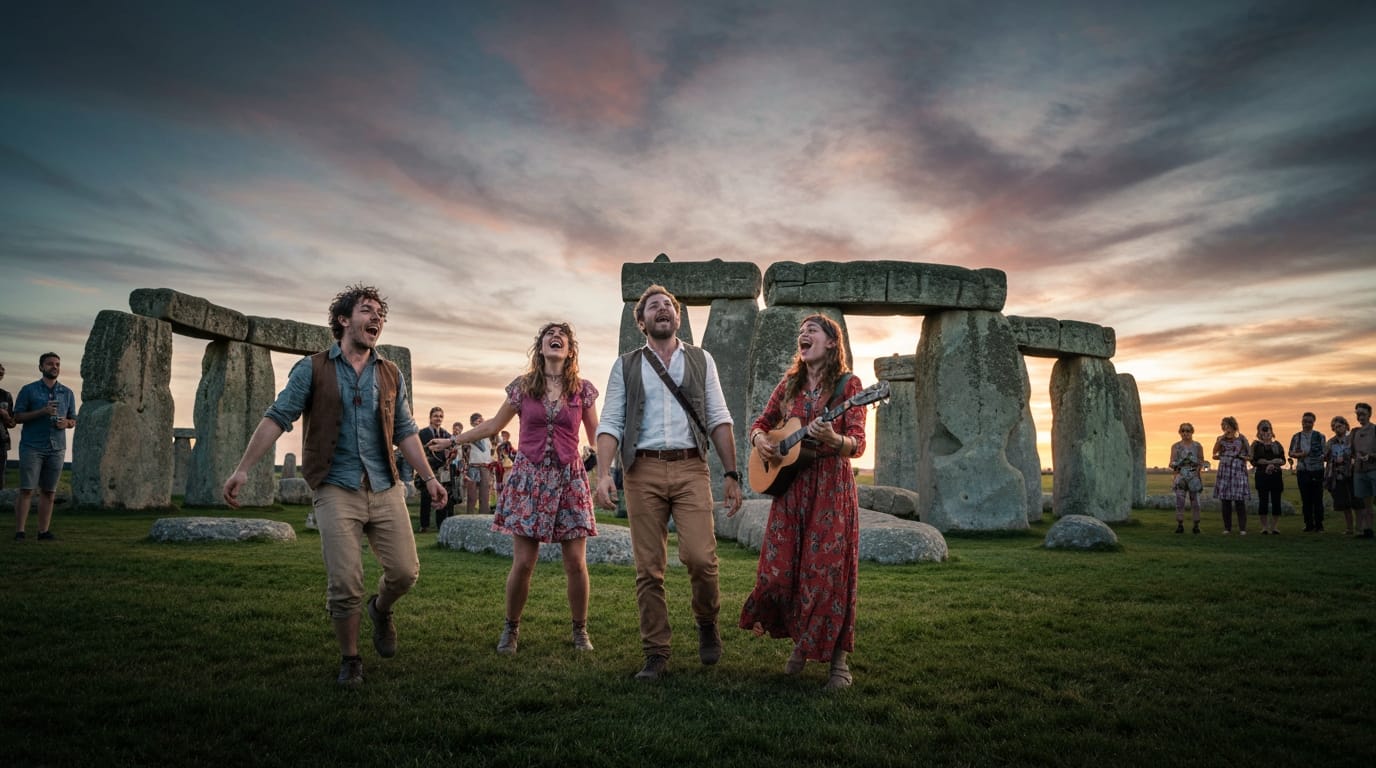
SALISBURY PLAIN, England – As the first light of dawn pierced the horizon on Sunday, June 21, 2026, over 20,000 revelers congregated at the ancient monument of Stonehenge, ushering in the summer solstice with a blend of reverence and jubilant celebration. The iconic stone circle once again served as a focal point for spiritual reflection and collective festivity, marking the longest day of the year in the Northern Hemisphere. Attendees, spanning various faiths and backgrounds, observed the precise astronomical alignment as the sun ascended, casting its initial rays through the prehistoric architecture.
A Timeless Alignment with the Cosmos
Stonehenge, a UNESCO World Heritage site, is meticulously aligned with the movements of the sun, a testament to the astronomical sophistication of its ancient builders. On the summer solstice, the sun rises directly behind the Heel Stone, located northeast of the main circle, allowing its light to illuminate the monument's central axis. This profound alignment, which occurs around 4:52 AM in southern England, has been observed and celebrated for thousands of years, anchoring the event in deep historical and spiritual significance. The hours leading up to this celestial moment are characterized by an energetic anticipation, as thousands gathered through the night, some arriving as early as the previous evening to secure prime viewing spots.
A Diverse Congregation and Communal Spirit
The gathering at Stonehenge for the summer solstice transcends a single demographic, drawing an eclectic mix of participants. Modern Druids, Pagans, Wiccans, and other New Age groups perform rituals and ceremonies, honoring ancient traditions. Alongside these spiritual practitioners, families, tourists, and travelers converge, eager to experience the unique atmosphere. Many attendees were observed in traditional dress or adorned with headdresses, contributing to the vibrant visual tapestry of the event. The scene is often described as a blend of ceremonial observance and contemporary celebration, filled with drumming, chanting, music, and collective cheering as sunrise approaches. The summer solstice offers a rare opportunity for managed open access, allowing visitors to walk among the massive stones, an experience typically restricted at other times of the year. This intimate proximity to the ancient megaliths amplifies the sense of connection to the past and the powerful energy of the site.
Navigating the Modern Pilgrimage
Organizing an event that draws tens of thousands to a delicate prehistoric monument requires extensive logistical planning and coordination. English Heritage, which manages Stonehenge, works closely with local authorities, including Wiltshire Police, Wiltshire Council, and the National Trust, to ensure the safety and smooth running of the celebrations. Traffic management was a primary concern, particularly as the 2026 solstice fell on a weekend, which often leads to higher attendance. Authorities issued strong recommendations for attendees to utilize public transport or dedicated shuttle services, as on-site parking is limited and often pre-booked or sold out. Measures were in place to prevent illegal parking and ensure the flow of traffic around the historic site. Furthermore, strict conditions of entry are enforced to protect the monument, prohibiting activities such as climbing on the stones, bringing alcohol, or using drones in the restricted airspace around the site. Bag searches were conducted to ensure compliance with these regulations.
Echoes of the Past, Hopes for the Future
The tradition of celebrating the summer solstice at Stonehenge has evolved over centuries. While the monument itself dates back thousands of years, modern large-scale gatherings became more prominent after the arrival of the railway in the 19th century. Druid revivalists began holding formal ceremonies in the early 20th century, cementing the site's role in contemporary pagan and spiritual practices. Despite the challenges of managing such a significant annual event, the enduring appeal of Stonehenge for the summer solstice lies in its ability to connect people with ancient rhythms and the natural world. The favorable weather conditions reported for the 2026 solstice contributed to a memorable and joyous occasion, underscoring the monument's timeless draw.
The summer solstice at Stonehenge remains a powerful demonstration of humanity's enduring fascination with the cosmos and its connection to ancient heritage. It serves as a unique annual convergence where the spiritual, historical, and celebratory intertwine, reminding participants of both the past and the continuous cycle of life. The 2026 gathering reinforced this tradition, providing a profound experience for the thousands who witnessed the dawn over the ancient stones.


