Deadly Avalanches Claim Eight Lives in Austrian Alps Amid Perilous Conditions
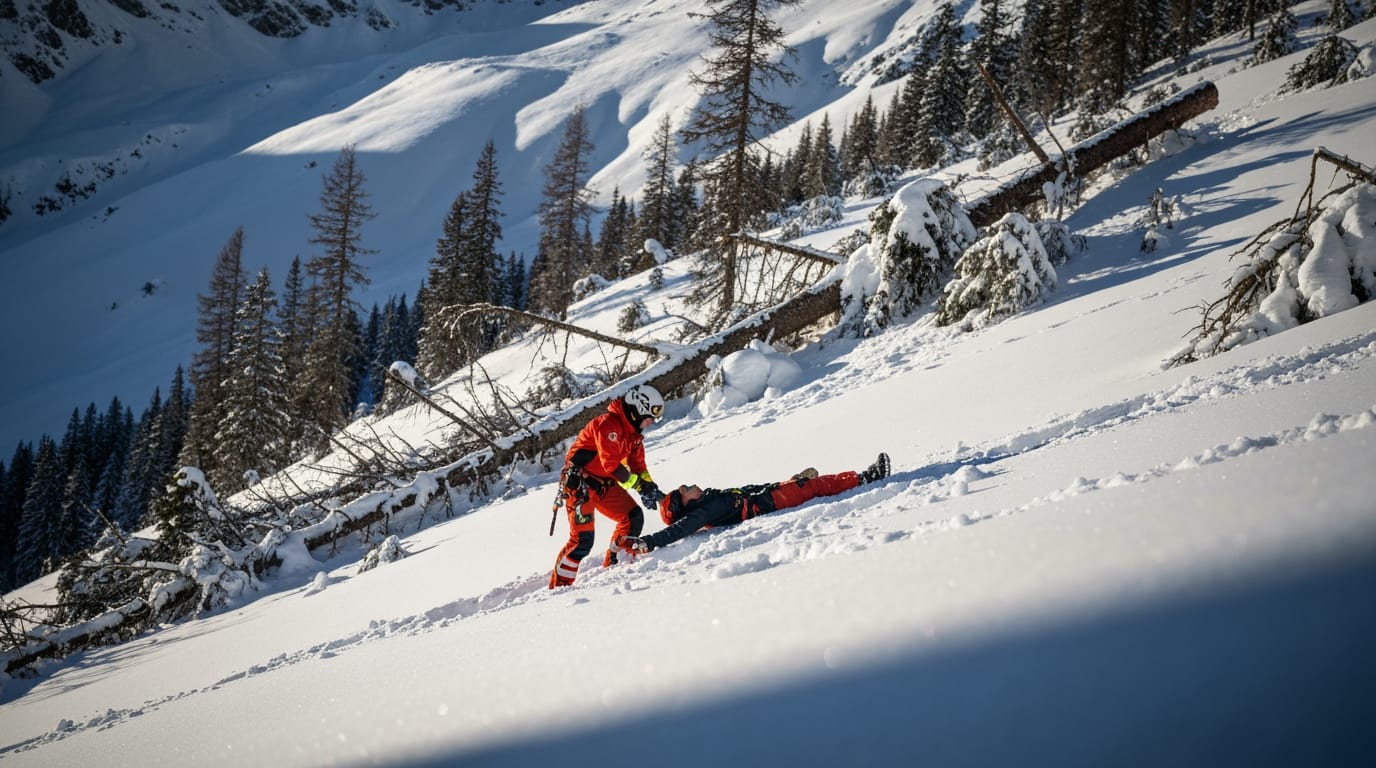
A series of powerful avalanches ripped through the Austrian Alps on Saturday, January 17, 2026, tragically claiming the lives of eight individuals and injuring several others. The catastrophic day, dubbed "black Saturday" by local media, saw three separate slides engulf off-piste skiers and ski tourers in the Salzburg and Styria regions, prompting urgent warnings from authorities about the extreme danger posed by unstable snowpacks across the entire Alpine range. The incidents underscore the critical risks faced by winter sports enthusiasts venturing beyond marked slopes following recent heavy snowfall.
A Day of Unprecedented Tragedy in the Mountains
The deadly events unfolded across two Austrian provinces, striking groups engaged in backcountry activities. The first fatality on Saturday occurred near Bad Hofgastein in Salzburg, where a female skier, reportedly with her husband, was caught and buried by an avalanche at an altitude of approximately 2,200 meters (7,200 feet). Despite immediate efforts, she could not be resuscitated.
Hours later, the Großarl Valley in Salzburg witnessed a second devastating incident. An avalanche swept through the Finsterkopf area, engulfing a group of seven ski tourers. Rescuers, working against time in challenging conditions, managed to recover three people alive, some with serious injuries. However, four members of the group were found dead beneath the snow, bringing the toll from the Salzburg region to five for the day.
Simultaneously, a third major avalanche occurred in the Murtal district of Styria province, near the municipality of Pusterwald. This slide buried three Czech ski tourers from a group of seven. Emergency responders located and partially dug out the victims, but despite immediate rescue efforts, all three individuals were pronounced dead. The combined impact of these three avalanches resulted in the deaths of eight people on January 17 alone, marking one of the deadliest days in recent Austrian alpine history.
Unstable Snowpack and Elevated Danger Levels
The spate of avalanches followed significant snowfall across the Austrian Alps in the preceding days, creating a highly volatile snowpack. Experts have pointed to the poor bonding between older snow layers and the fresh, heavy snow as a primary factor contributing to the increased risk. This condition, where new snow struggles to adhere to underlying, often icy or wind-blown layers, makes the snowpack susceptible to collapse even under a relatively small additional load, such as that of a single skier.
Avalanche warning services had issued a Level 3 warning, indicating "considerable danger," for the affected regions on Saturday. A Level 3 warning signifies that avalanches are likely to be triggered, particularly on steep slopes and in certain exposures, and that spontaneous medium-sized avalanches are possible. Authorities had repeatedly urged skiers and freeriders to exercise extreme caution and avoid off-piste terrain. Despite these clear and repeated warnings, many individuals ventured into dangerous areas, highlighting the persistent challenge of balancing the allure of untouched powder with stringent safety protocols.
Intensive Rescue Operations and Enduring Challenges
The sheer scale of Saturday's incidents triggered massive and complex rescue operations. In the Salzburg region alone, approximately 90 mountain rescuers were deployed, supported by multiple rescue helicopters, crisis intervention teams, Red Cross dog teams, and alpine police units. The conditions for rescuers were inherently dangerous, with ongoing avalanche risk, difficult terrain, and rapidly changing weather. The use of specialized equipment and the coordination of numerous personnel are critical in such situations, where every minute counts for buried victims. The primary cause of death in avalanches, often suffocation, underscores the urgency of rapid extraction.
Mountain rescue services in Austria, with over 10,000 missions annually, face growing challenges, frequently responding to calls daily, sometimes multiple times a day in high-traffic areas. The volunteer-based nature of much of the Austrian Mountain Rescue Service (ÖBRD) means that these extensive operations rely heavily on the dedication and expertise of highly trained individuals who put their own lives at risk to save others. The incidents serve as a stark reminder of the professionalism and bravery of these teams, who navigated treacherous conditions to search for survivors and recover victims.
Broader Context and Calls for Heightened Vigilance
The recent surge in avalanche fatalities in Austria is part of a broader trend across the Alps this winter season. Avalanches throughout the region have claimed multiple victims since the previous week, including a 13-year-old Czech skier in Bad Gastein, Austria, and a 58-year-old ski tourer in Weerberg, Austria. Neighboring countries like Switzerland and France have also reported several avalanche-related deaths, illustrating the widespread instability of the snowpack.
Historically, Austria averages about 20 to 24 avalanche fatalities annually, not just on ski slopes but also in residential areas and transport routes. While the number of avalanche deaths has shown a decreasing trend over the past two decades despite an exponential increase in ski touring and freeriding, attributed to advancements in equipment, weather forecasting, and education, these recent events underscore that vigilance remains paramount. Statistics indicate that many avalanche victims are male, between 16 and 19 years old, often in groups, and sometimes lack complete emergency equipment such as avalanche transceivers, shovels, and probes.
Mountain rescue officials, including Gerhard Kremser, district head of the Pongau mountain rescue service, reiterated the gravity of the situation. "This tragedy painfully demonstrates the seriousness of the current avalanche situation," Kremser stated, emphasizing the urgent need for skiers and snowboarders to adhere to warnings and assess conditions meticulously. Proper tour planning, adjusting to personal abilities, carrying essential safety equipment, and consulting up-to-date weather and avalanche reports are critical for minimizing risk in the dynamic alpine environment.
Conclusion: A Sobering Reminder of Nature's Power
The tragic loss of eight lives in the Austrian Alps serves as a sobering reminder of the immense power of nature and the inherent dangers of mountainous terrain, particularly during periods of high avalanche risk. As winter sports enthusiasts continue to flock to the Alps, the recent incidents highlight the critical importance of respecting expert warnings, exercising extreme caution, and prioritizing safety above all else. The collective sorrow felt across the Alpine communities reinforces the constant need for education, preparedness, and a profound respect for the mountains to prevent further such devastating outcomes.


