Deadly Flash Flood Engulfs Villages on Nepal-Tibet Border, Leaving Trail of Devastation
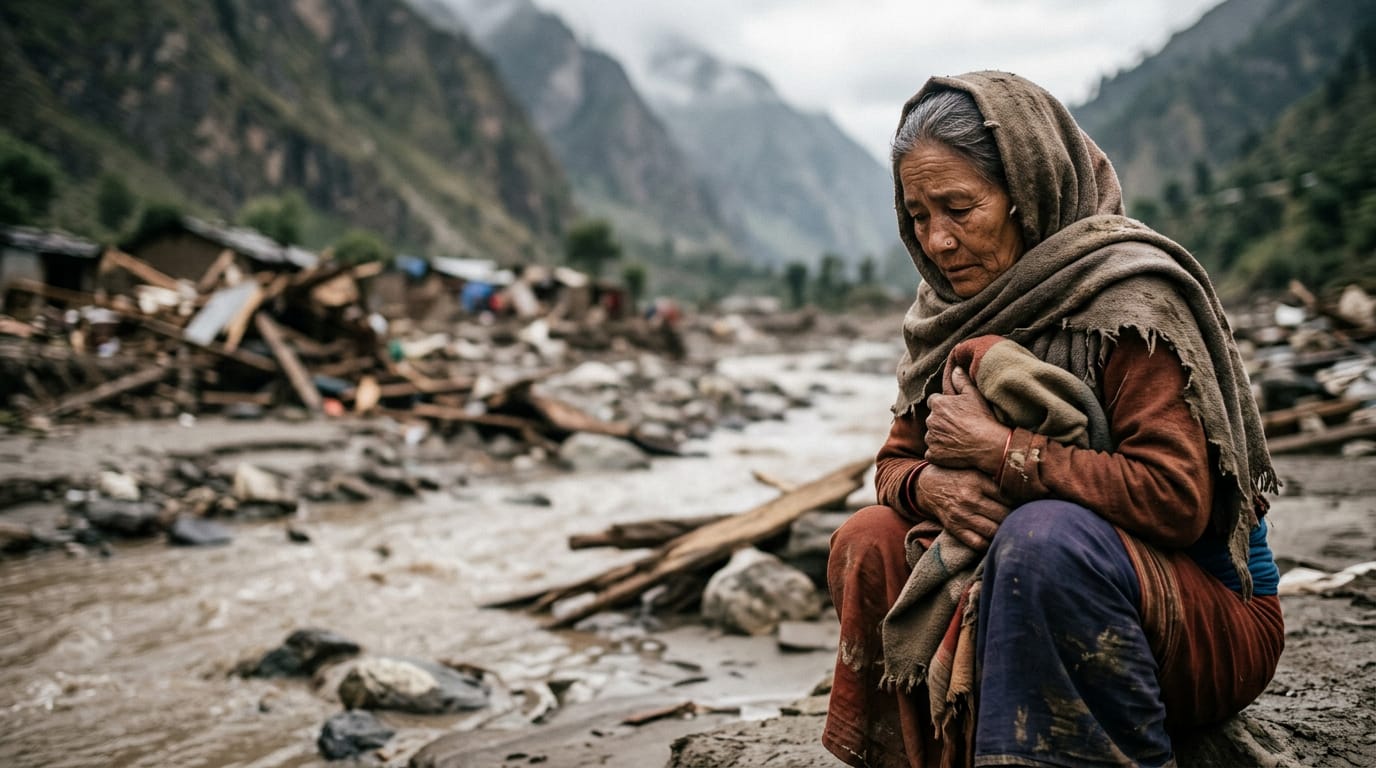
A catastrophic flash flood, originating from Tibet, swept through northern Nepal's Rasuwa district early Wednesday, August 26, 2026, washing away entire villages, critical infrastructure, and sparking fears of heavy casualties. The sudden surge of the Bhote Koshi River, which flows from Tibet into Nepal, has prompted urgent evacuation advisories and launched extensive, yet challenging, rescue operations in the mountainous region. Initial reports indicate at least eight fatalities in Nepal, with numerous individuals reported missing on both sides of the border, including in China's Gyirong county.
The scale of the destruction has paralyzed local communities and severed vital links between the two countries, highlighting the extreme vulnerability of Himalayan settlements to increasingly frequent and severe natural disasters. As authorities scramble to assess the full impact, the disaster underscores a broader regional crisis exacerbated by climate change.
The Devastation Unfolds
The early morning deluge, reportedly hitting around 9 a.m. local time, brought a wall of water and debris crashing down the Bhote Koshi River valley. The Nepalese settlements of Syapru Besi and Timure, home to approximately 50,000 residents in the Rasuwa district, bore the brunt of the flood's fury, with officials confirming villages and infrastructure project sites were completely inundated. Eyewitnesses described a sudden, loud sound preceding the flood, prompting residents to flee for their lives as waters engulfed entire communities.
The flash flood inflicted severe damage on crucial infrastructure. Roads, bridges, and multiple hydropower projects, including facilities with a combined capacity of approximately 430 MW, were either damaged or completely swept away, leading to widespread electricity outages and communication disruptions. This infrastructure damage has not only left communities isolated but also dealt a significant blow to Nepal's power generation capacity. In particular, the Bhote Koshi River, originating in Tibet, flows into Nepal's Trishuli River and eventually into India's Gandak River, illustrating how such events have far-reaching cross-border consequences.
On the Tibetan side, a mudslide triggered by the same event impacted the Gyirong port, a crucial land crossing between China and Nepal, causing "major casualties" and leaving some individuals missing, as reported by China's official Xinhua news agency. The dual impact on both nations underscores the interconnected geography and shared risks of the Himalayan region.
Immediate Response and Lingering Fears
Nepalese Prime Minister Balendra Shah swiftly convened an emergency meeting of the disaster management authority and dispatched rescue and relief teams, including police and military personnel, to the affected areas. However, high water levels in the Bhote Koshi have severely hampered rescue efforts, preventing helicopters from landing in the most devastated zones. This challenge prolongs the agonizing wait for information on those missing, with fears that the death toll could rise significantly. District Administrator Narendra Pariyar urged residents along the Bhote Koshi River to evacuate to higher ground, a critical measure in the face of ongoing instability. For many, the human toll is deeply personal; one health worker in Rasuwa reported five of his own relatives missing after their riverine settlements were swept away.
The cause of the specific August 26, 2026, flood was not immediately clear. However, satellite imagery suggested significant rainfall on the Tibetan side, pointing to an origin beyond Nepal's immediate borders. This recent event echoes a similar flash flood on the Bhote Koshi just last year, in 2025, which claimed nine lives and left 24 missing, and was later attributed to the draining of a supraglacial lake in Tibet. That 2025 incident also destroyed the 'Friendship Bridge' linking Nepal and China, disrupting vital trade and transport for months.
A Region Under Threat: Climate Change and Himalayan Vulnerability
The recurrence of devastating flash floods in the Himalayan region is increasingly linked to the accelerating impacts of global warming. Often referred to as the "Third Pole" due to its vast reserves of ice and snow, the Himalayas are warming at nearly twice the global average, leading to unprecedented glacial retreat and erratic weather patterns. This accelerated warming intensifies the risk of glacial lake outburst floods (GLOFs), where unstable glacial lakes breach, releasing massive volumes of water and debris downstream. The 2023 Sikkim flash floods, for instance, which killed over 92 people and destroyed a major dam, were triggered by a GLOF from the South Lhonak Lake following heavy rains.
Beyond GLOFs, the region experiences increasingly erratic monsoon rains, characterized by prolonged dry spells followed by intense downpours. These extreme rainfall events, often leading to cloudbursts, saturate mountain slopes, increase soil erosion, and destabilize already fragile terrain, making flash floods and landslides more frequent and severe. In October 2024, Nepal experienced exceptionally heavy rainfall over a three-day period, resulting in flash floods and landslides that killed 244 people and disrupted major transportation routes, particularly around Kathmandu.
Human interventions, such as the construction of dams, hydropower projects, and unplanned urban development in floodplains, further exacerbate the region's vulnerability. As the climate crisis deepens, these "new mountains," which are still geologically active, face a compounding threat, impacting the nearly 2 billion people in the Himalayan region and downstream who rely on these vital river systems for water, agriculture, and electricity.
Resilience and the Path Forward
The latest flash flood in Rasuwa is a stark reminder of the urgent need for enhanced disaster preparedness and early warning systems across the Himalayan range. The human cost, measured in lives lost, families displaced, and livelihoods shattered, is immense. Communities in vulnerable riverine areas face constant threats, with significant long-term implications for food security, health, and economic stability.
Addressing this escalating crisis requires a multi-faceted approach, including robust regional cooperation on monitoring glacial melt and weather patterns, investing in resilient infrastructure, and integrating indigenous and local knowledge into disaster preparedness plans. As the region grapples with the immediate aftermath of this latest catastrophe, the collective challenge remains to build greater resilience against the relentless forces of a changing climate, ensuring the safety and future of its people.