Deadly Floods Claim Dozens in Ivory Coast as Heavy Rains Intensify
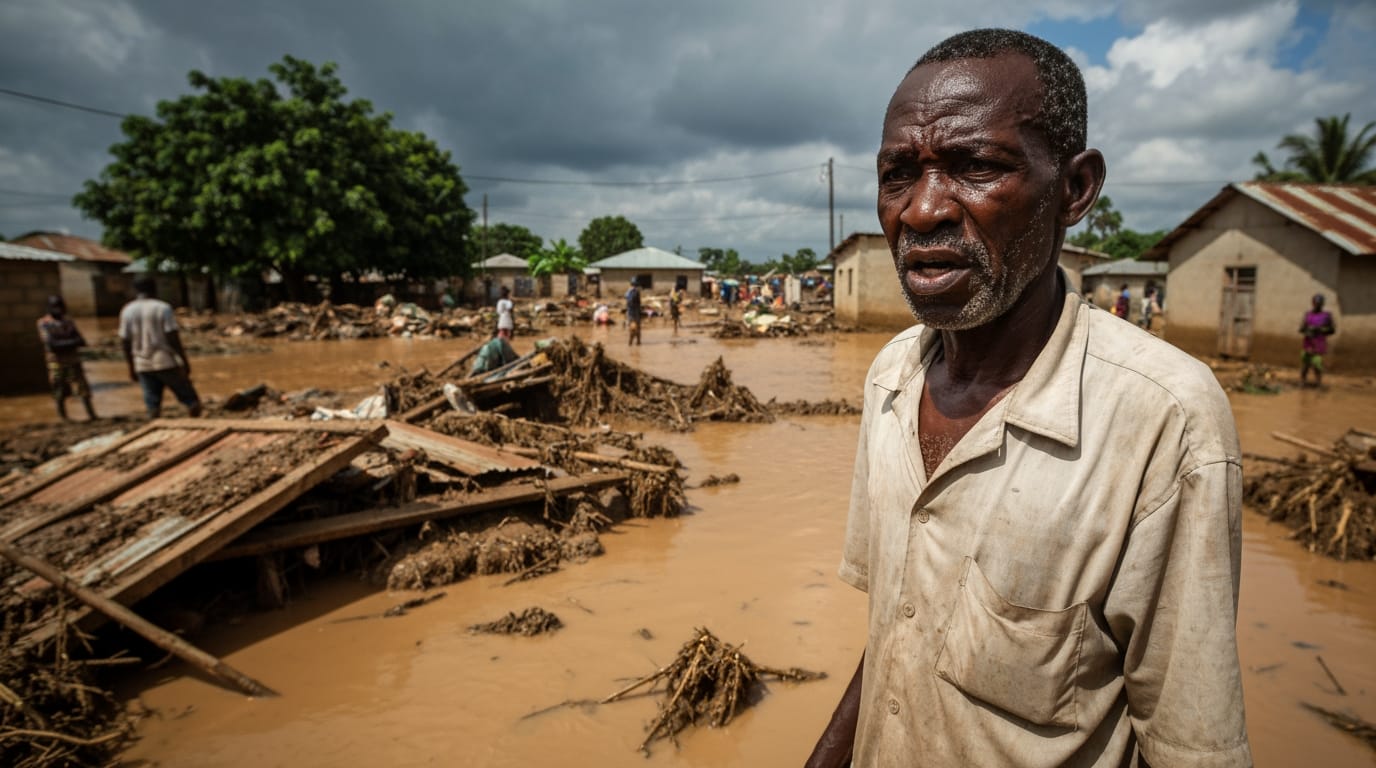
ABIDJAN, Ivory Coast – Torrential rains have unleashed devastating floods and landslides across Ivory Coast, resulting in at least 59 fatalities since mid-May, according to official government figures released Wednesday. The nation's economic capital, Abidjan, a sprawling city of over six million, has borne the brunt of the crisis, grappling with submerged neighborhoods, widespread infrastructure damage, and a growing humanitarian challenge. This year's rainy season, characterized by "particularly heavy" downpours, has intensified concerns over urban planning, climate vulnerability, and the recurring human cost of extreme weather events in West Africa.
A Season of Unprecedented Deluge and Loss
The escalating death toll marks a grim start to Ivory Coast's annual rainy season, which typically spans from late May to late July. Government spokesperson Amadou Coulibaly confirmed the fatalities following a council of ministers meeting, emphasizing the severity of the current situation. While flood-related deaths are not uncommon in the West African nation, the recent scale of destruction and loss of life has been particularly acute, even as the season is still in its early stages. Emergency response teams have been deployed across the hardest-hit regions to provide aid and secure affected areas, but the challenge remains substantial as communities contend with the aftermath.
Abidjan, a bustling metropolis, has experienced the most significant impact. Areas within the city, including Attécoubé, Yopougon, and Mossikro, have been severely affected by both floods and landslides. Some districts have recorded rainfall exceeding 200 millimeters (approximately 8 inches) in a single day, a volume four times the usual amount. This intense precipitation has overwhelmed drainage systems, leading to spectacular rises in water levels and the collapse of structures in many vulnerable areas. The National Office for Civil Protection previously reported rescuing 271 people trapped after earlier heavy rains, highlighting the immediate dangers faced by residents.
Intersecting Vulnerabilities: Urbanization and Infrastructure
The tragic consequences of the recent flooding are exacerbated by a complex interplay of rapid urbanization and inadequate infrastructure. A significant portion of Abidjan's population resides in informal settlements, often constructed quickly and without proper zoning regulations in flood-prone areas such as riverbanks and coastal zones. These neighborhoods frequently suffer from poor storm drainage, with existing networks struggling to cope with increased water volumes. Critically, some drainage channels are reportedly used as dumping grounds, further impeding water flow and turning even moderate rainfall into flash floods. Road construction without proper drainage planning has also contributed to the inundation of residential areas.
For several years, the Ivorian government has implemented measures, including the demolition of homes in precarious, flood-prone zones, to mitigate these risks. These operations, sometimes harsh, have aimed to clear areas deemed unsafe for habitation. Government officials state that residents who have complied with safety instructions and relocated from these high-risk areas have not recorded fatalities in the current crisis. However, some of the recent casualties occurred in neighborhoods like Attecoube, where victims had reportedly returned to sites previously cleared by authorities, underscoring the difficulties in enforcing long-term solutions and the socio-economic pressures driving people to resettle in vulnerable locations. The lack of affordable housing and the search for economic opportunities often compel residents to inhabit these dangerous areas, creating a persistent cycle of risk and displacement.
The Shadow of Climate Change
Beyond immediate meteorological factors and urban development challenges, the ongoing floods in Ivory Coast are set against a backdrop of increasing climate vulnerability. Côte d'Ivoire is recognized as one of the most susceptible nations globally to the impacts of climate change, ranking 141 out of 182 countries on the ND-GAIN Index. Historical climate trends indicate a decrease in overall rainfall but a notable increase in the frequency and intensity of extreme rainfall events. Projections for 2050 anticipate greater variability in rainfall, combined with hotter average temperatures and intensified extreme weather occurrences.
Deforestation, occurring at an alarming rate across Africa, further compounds the problem. The loss of tree cover, particularly along the southwestern coast, contributes to altered land-sea thermal interactions, creating conditions conducive to more intense storms and heavier rainfall. This environmental degradation, often driven by agricultural expansion and urbanization, amplifies the existing flood risk for the country's growing coastal populations. The World Bank estimates that climate change could lead to significant economic losses for Ivory Coast, potentially ranging from CFAF 380 to 770 billion by 2040-2100, with the agriculture sector, human capital, and infrastructure facing the most severe impacts.
Humanitarian Aftermath and Future Preparedness
The human toll of the floods extends beyond immediate fatalities to encompass widespread displacement, injuries, and health risks. Past flood events have seen thousands affected, with many left without shelter and basic necessities. For instance, in 2022, nearly 2,500 people were reported to be without shelter after floods, and the current situation likely mirrors, if not surpasses, these figures. The disruption of essential services, including water and electricity, along with the contamination of water sources, poses significant health threats, including the potential for cholera, typhoid, and malaria outbreaks. Businesses have been disrupted, markets destroyed, and agricultural livelihoods severely affected, creating a ripple effect on the national economy and household stability.
In response, the Ivorian government and humanitarian organizations are working on preparedness and mitigation strategies. An Early Action Protocol (EAP) is planned, aiming to reduce flood impacts through measures such as community censuses, evacuation plans for at-risk populations, and the distribution of emergency WASH (Water, Sanitation, and Hygiene) kits and sandbags to protect homes. Such proactive approaches are crucial for a country where floods have killed more than 300 people since 2005. Strengthening early warning systems and improving communication between dam managers and local communities are also identified as vital steps to enhance regional resilience and protect lives and livelihoods in the face of increasingly unpredictable weather patterns.
The scale of the current flooding crisis in Ivory Coast underscores the urgent need for comprehensive strategies that integrate climate change adaptation, resilient urban planning, and robust disaster preparedness to safeguard its population against the mounting challenges posed by a changing climate.


