Decades-Long Mystery Unravels as Tupac Shakur Murder Trial Begins
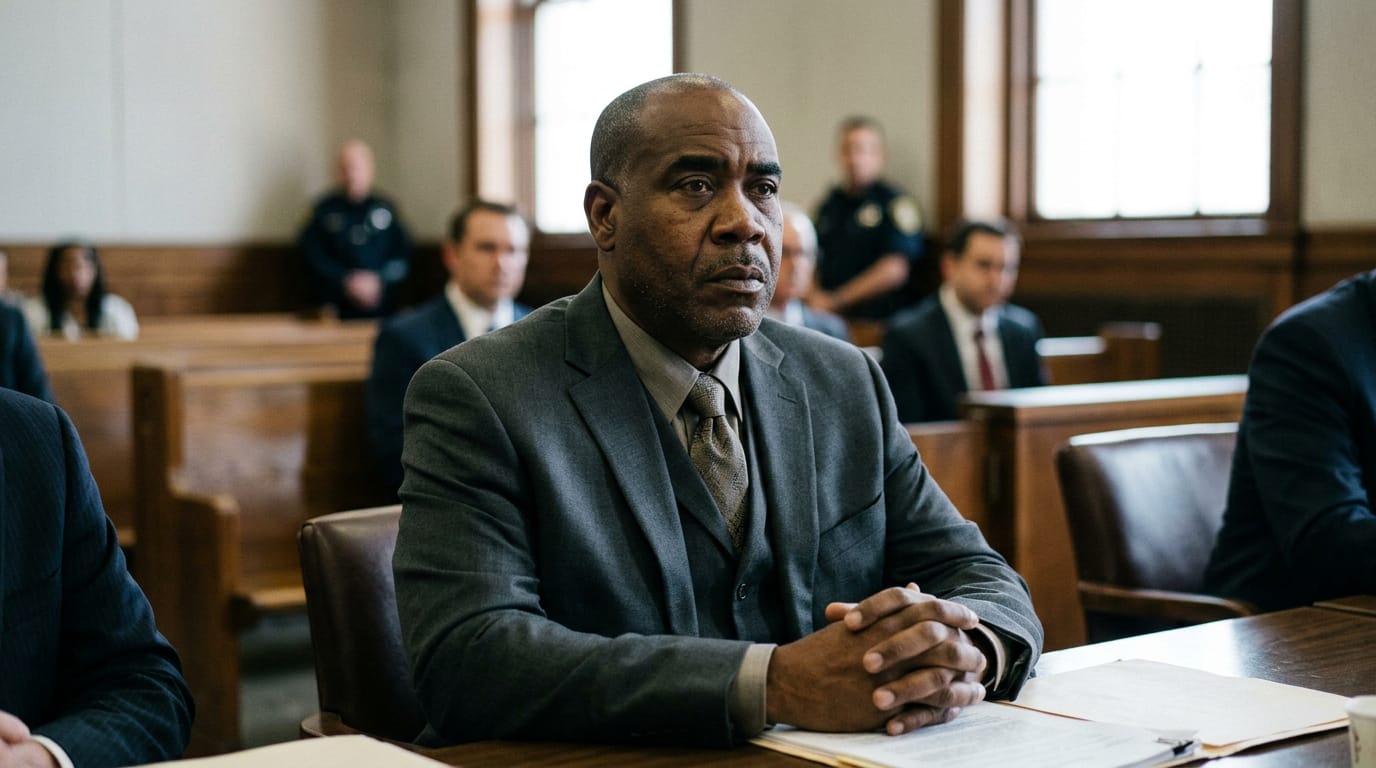
LAS VEGAS – Nearly three decades after the assassination of hip-hop icon Tupac Shakur, a Las Vegas courtroom has become the focal point of a long-awaited pursuit of justice as the murder trial of Duane "Keffe D" Davis commenced this week. Prosecutors allege that Davis, 63, orchestrated the 1996 drive-by shooting that claimed the life of the 25-year-old rapper, a charge that has finally brought the cold case to a public reckoning after years of speculation and unresolved grief. The trial is set to revisit the tumultuous events of that September night, promising to shed light on one of music history's most enduring mysteries.
The Lingering Shadow of a Cold Case
For 27 years, the murder of Tupac Shakur on September 13, 1996, stood as a stark reminder of unresolved violence and a lingering enigma within the music world. The highly influential rapper, known for hits like "California Love" and "Dear Mama," was pronounced dead six days after being shot in a brazen drive-by attack on the Las Vegas Strip. His death left an indelible mark on the hip-hop community and ignited countless conspiracy theories, fueling public fascination for decades. The arrest of Davis in September 2023 marked a monumental breakthrough, reigniting hopes for closure in a case that many believed would never be solved. Davis, a former leader of the South Side Compton Crips, has pleaded not guilty to a single count of murder with a deadly weapon, a charge that carries a potential life sentence if he is convicted.
Prosecution's Narrative: Revenge and Self-Incrimination
Chief Deputy District Attorney Binu Palal laid out the prosecution's case, asserting that Duane Davis acted as the "on-the-ground, on-site commander" who planned the shooting as an act of revenge. The motive, prosecutors contend, stemmed from a public altercation hours earlier where Shakur and his entourage assaulted Davis's nephew, Orlando "Baby Lane" Anderson, at the MGM Grand hotel. Palal emphasized that while Davis is not accused of pulling the trigger, he is alleged to have provided the firearm and orchestrated the fatal attack.
A cornerstone of the prosecution's argument rests on Davis's own words. Prosecutors highlighted statements made by Davis to law enforcement investigators and, more notably, in his 2019 memoir, "Compton Street Legend." In his book, Davis reportedly described his presence in the white Cadillac from which the shots were fired and detailed his role in acquiring the gun used in the killing. Palal noted that Davis's public accounts, which emerged after an initial proffer agreement with investigators where his statements could not be used against him, effectively revived the dormant police investigation and became critical evidence. Defense attorney Michael Sanft, however, countered these claims, suggesting that Davis's memoir was largely "fictionalized" for profit and arguing that the state's case lacks corroborating evidence.
The Fateful Night in Las Vegas
The events leading to Tupac Shakur's death unfolded on September 7, 1996, a night that began with anticipation and ended in tragedy. Shakur, along with Death Row Records co-founder Marion "Suge" Knight, had attended a Mike Tyson fight at the MGM Grand. Following the fight, surveillance video captured Shakur and his associates engaging in a physical altercation with Orlando Anderson in the hotel lobby. This confrontation, prosecutors argue, was the direct catalyst for the subsequent violence.
Later that evening, as Knight drove a black BMW with Shakur in the passenger seat, heading to an afterparty at Club 662, a white Cadillac pulled alongside their vehicle at a red light at East Flamingo Road and Koval Lane. Gunfire erupted from the Cadillac, striking Shakur multiple times. Knight sustained minor injuries but survived the attack. Shakur was rushed to the hospital, where he succumbed to his injuries six days later. The backdrop to this violence was a fierce East Coast-West Coast hip-hop rivalry, intertwined with escalating tensions between affiliated street gangs, specifically the South Side Compton Crips (associated with Davis) and the Mob Piru Bloods (linked to Death Row Records). Orlando Anderson, Davis's nephew, had long been considered a prime suspect in the shooting but was never charged and died in an unrelated gang shooting in 1998.
A Decades-Long Quest for Accountability
The path to this trial has been protracted, marked by the inherent difficulties of prosecuting a nearly 30-year-old cold case. Challenges include faded memories, the deaths of key potential witnesses, and the struggle to gather definitive evidence over such a long period. Jury selection, which concluded last week, resulted in a panel of 10 women and 6 men, including alternates, tasked with sifting through testimony expected to last approximately one month.
Members of Tupac Shakur's family, including his stepbrother Maurice "Mopreme" Shakur and cousins Kendrick and William Lesane, were present in the courtroom, silently observing the proceedings and expressing their desire for accountability. They, like countless fans worldwide, have endured nearly three decades awaiting answers in a case that has deeply impacted the cultural landscape. While the prosecution is not seeking the death penalty, a conviction would send Davis to prison for life, potentially offering a definitive resolution to a chapter of hip-hop history that has remained tragically open for far too long.
The trial of Duane "Keffe D" Davis represents a pivotal moment, offering the potential for long-awaited legal clarity in the murder of Tupac Shakur. After decades of rumors, investigations, and a lingering sense of injustice, the proceedings in Las Vegas aim to provide concrete answers and finally deliver a measure of closure to the family, friends, and legions of fans who have kept the memory of the iconic rapper alive. The outcome will not only determine Davis's fate but also mark a significant turning point in the narrative surrounding one of hip-hop's most profound losses.