Decoding the Deal: Examining Trump's Negotiation Tactics and the Psychology of Bluffing
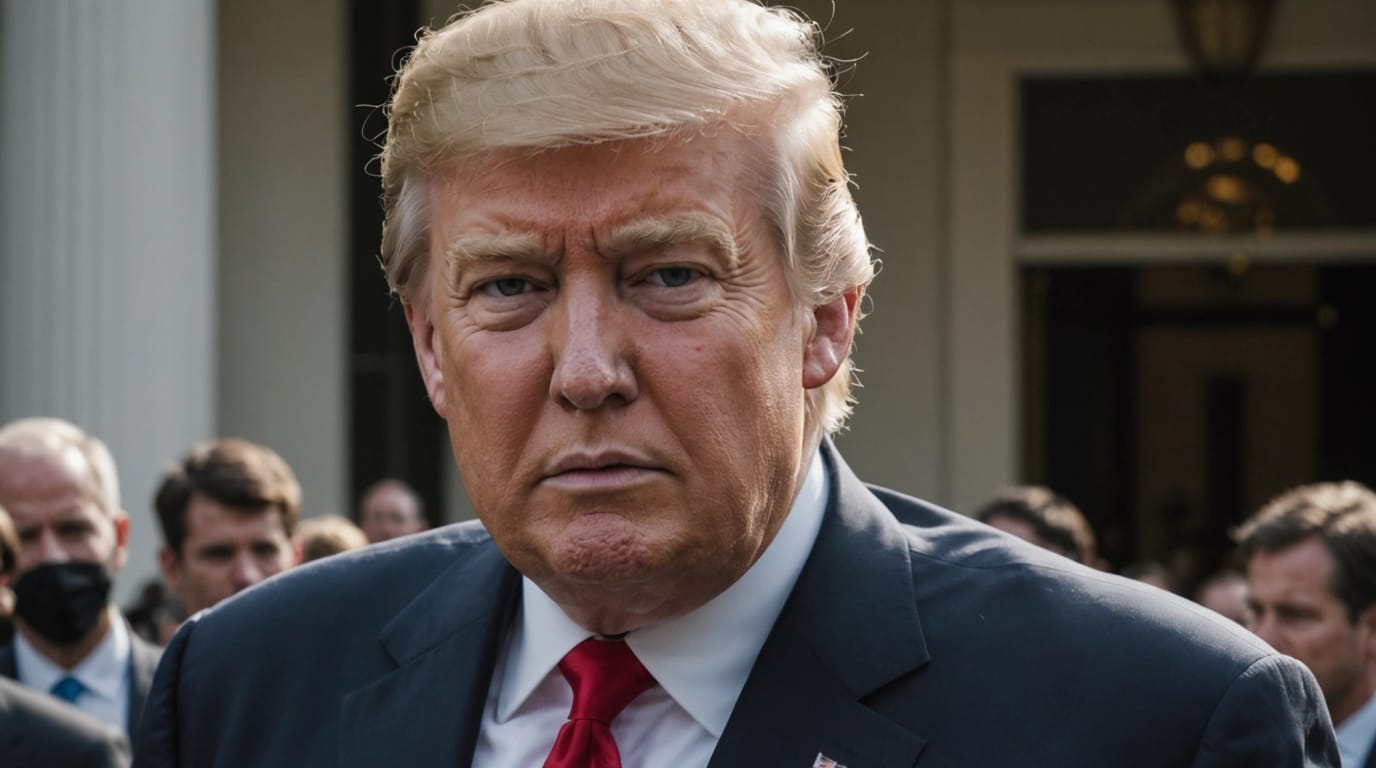
Donald Trump's career as a real estate mogul and his presidency were both characterized by a distinctive and often controversial negotiation style. This approach, detailed in his book "The Art of the Deal," relies heavily on tactics such as leveraging perceived power, creating artificial deadlines, and employing psychological strategies. While some view these methods as effective, others criticize them as aggressive, unethical, and ultimately detrimental to long-term relationships. Understanding the psychology behind these tactics, particularly the art of bluffing, is crucial to analyzing their impact on both business and political landscapes.
The Art of the Deal: A Playbook of Aggression
Trump's negotiation style, as outlined in "The Art of the Deal," emphasizes several key principles. He advocates for "thinking big," setting ambitious goals, and projecting an image of strength and success. He also stresses the importance of knowing the territory, planning carefully, and seeking leverage over the other side. However, his approach often leans towards competitive tactics, including making extreme opening offers, using threats, and refusing to compromise.
One of Trump's signature tactics is "high-balling," which involves making an initial demand that is significantly higher than what he expects to receive. This tactic, common in buyer-seller exchanges, aims to anchor the negotiation in his favor, forcing the other party to react to his starting point. For example, his promise to build a wall on the U.S.-Mexico border and have Mexico pay for it was a classic example of high-balling.
Another tactic Trump frequently employs is creating a sense of urgency. By imposing artificial deadlines and creating the perception that time is running out, he compels the other side to act quickly, often making concessions to avoid losing the deal. This tactic can be effective in certain situations, but it also carries the risk of alienating stakeholders and damaging long-term relationships.
The Psychology of Bluffing: Perception vs. Reality
Bluffing is a central element of Trump's negotiation style. It involves deceiving the other party about one's intentions, capabilities, or knowledge to gain an advantage. In essence, bluffing is a psychological game that relies on the ability to read and manipulate the thoughts and emotions of others.
Researchers at WHU – Otto Beisheim School of Management and Arizona State University have distinguished between bluffing and lying in negotiations. They define bluffing as feigned emotions, misrepresenting one's bargaining position, or making empty threats, while lying involves falsifying information or making false promises. According to their findings, lying is considered immoral and can damage trust, while bluffing is often viewed as amoral, a negotiating tactic that does not constitute ethical misconduct.
The effectiveness of bluffing depends on several factors, including the bluffer's credibility, the context of the negotiation, and the other party's perception of the situation. A successful bluff can create leverage, influence the other party's expectations, and ultimately lead to a more favorable outcome. However, a poorly executed bluff can backfire, damaging the bluffer's reputation and undermining their ability to negotiate effectively in the future.
Madman Theory: Strategic Unpredictability
Some analysts have likened Trump's negotiation style to the "madman theory," a strategy popularized by President Richard Nixon. This theory involves creating the impression that one is irrational and unpredictable, willing to take extreme measures to achieve their goals. The goal is to make the other party believe that the potential consequences of not conceding are too great to risk, thereby compelling them to make concessions.
Trump's use of Twitter to air grievances, make bold declarations, and even insult world leaders can be seen as an application of the madman theory. By creating an atmosphere of uncertainty and unpredictability, he aimed to keep his counterparts off balance and gain leverage in negotiations. However, this approach also carries significant risks, including alienating allies, undermining trust, and escalating conflicts.
Game Theory: A Strategic Framework
Game theory provides a framework for understanding and analyzing negotiation strategies. It involves modeling interactions between parties, each pursuing their own interests, and predicting the most likely outcomes based on their choices. Game theory categorizes negotiations into two main types: zero-sum games, where one party's gain is balanced by the other party's loss, and non-zero-sum games, where collaborative strategies can lead to outcomes that are beneficial for all parties.
Trump's negotiation style often reflects a zero-sum mentality, viewing deal-making as a battle where winning is the ultimate objective. However, game theory also suggests that a more cooperative approach can lead to mutually beneficial agreements. By understanding the other party's interests and goals, negotiators can develop strategies that maximize their own outcomes while also addressing the needs of the other side.
Implications and Criticisms
Trump's negotiation tactics have had a significant impact on both business and political landscapes. His aggressive approach has been credited with achieving some notable successes, such as renegotiating trade agreements and securing favorable deals for his businesses. However, it has also drawn criticism for its lack of ethical considerations, its potential to damage relationships, and its tendency to escalate conflicts.
Some argue that Trump's tactics are ill-suited for complex diplomatic negotiations, where building trust and fostering cooperation are essential. His confrontational style and willingness to use threats have been seen as counterproductive in certain situations, leading to strained relationships and missed opportunities for collaboration.
Conclusion: A Legacy of Disruption
Donald Trump's negotiation style is a complex and controversial topic. His reliance on tactics such as bluffing, high-balling, and creating artificial deadlines has both admirers and detractors. While some view these methods as effective tools for achieving desired outcomes, others criticize them as unethical and ultimately detrimental to long-term relationships.
Understanding the psychology behind these tactics, particularly the art of bluffing, is crucial for analyzing their impact. While bluffing can be a powerful tool in negotiation, it also carries significant risks. A successful bluff requires careful planning, a keen understanding of human psychology, and a willingness to take calculated risks. Ultimately, the effectiveness of Trump's negotiation style depends on the specific context, the individuals involved, and the long-term goals of the negotiation. His legacy serves as a case study in the potential rewards and perils of employing aggressive and often unpredictable tactics in the pursuit of a deal.