Desperate Race Against Time to Save Stranded Humpback Whale on German Baltic Coast
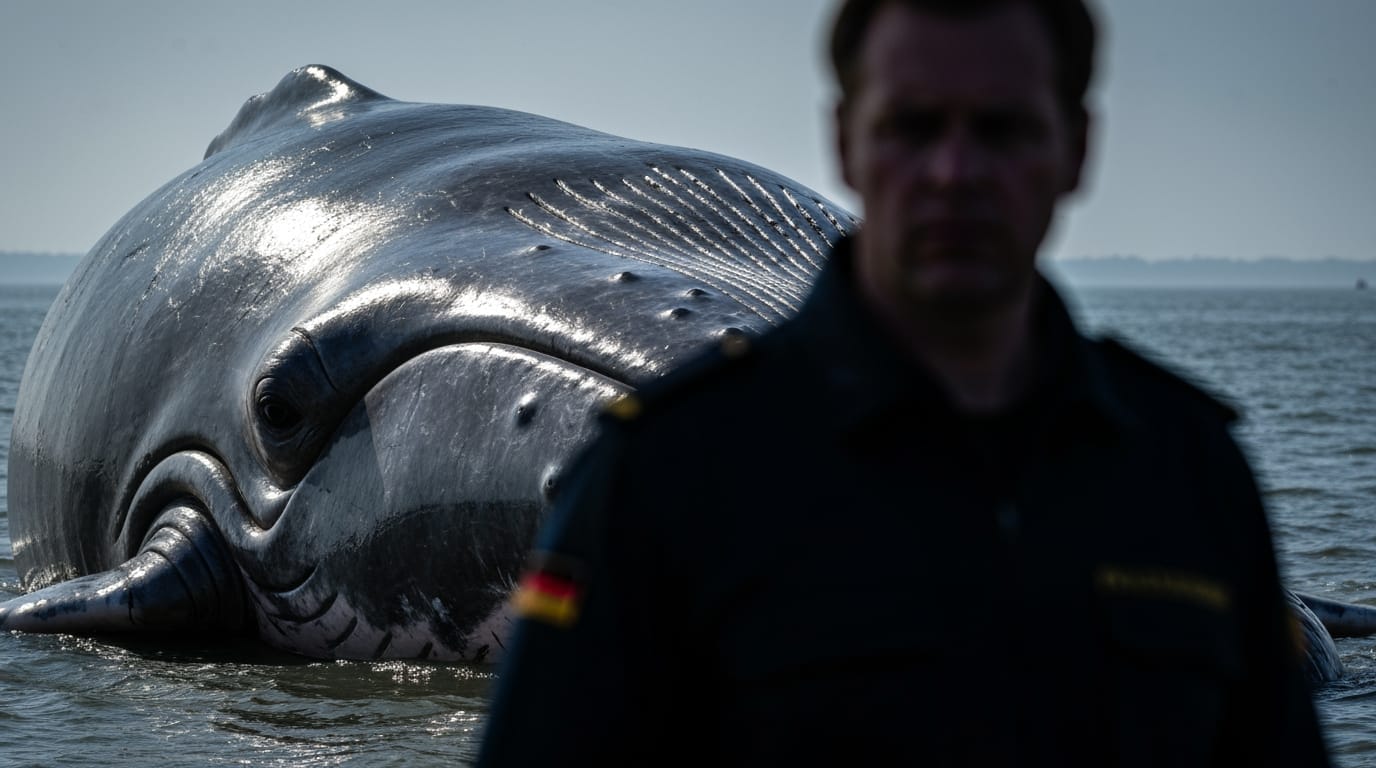
Niendorf, Germany – A dramatic rescue operation is unfolding on Germany's northern Baltic Sea coast as authorities and wildlife experts work tirelessly to save a massive humpback whale stranded on a sandbank. The majestic marine mammal, believed to be a young male, was discovered in the early hours of Monday, March 23, 2026, near Niendorf in the state of Schleswig-Holstein, sparking urgent efforts to guide it back to deeper waters. Concerns are mounting for the whale's deteriorating condition, highlighting the perilous challenges such a large creature faces in the shallow coastal environment.
The distressed whale was first sighted at approximately 1:50 a.m. (0050 GMT) in the Bay of Lübeck, off the Niendorf district of Timmendorfer Strand. Hotel staff reportedly alerted authorities to unusual noises emanating from the shoreline, initiating a swift response from local police, fire brigades, and conservation groups. Initial attempts to refloat the animal, which appeared weak and exhausted, involved using boats to generate waves in hopes of dislodging it from the sandbank. Despite these concerted efforts throughout Monday, including renewed attempts overnight, the whale remains trapped, with higher tides proving insufficient to aid its escape.
The Perilous Predicament and Intensive Rescue Efforts
The whale’s current condition is a primary concern for the specialized teams on site. Experts from the Institute for Terrestrial and Aquatic Wildlife Research (ITAW) have been deployed, noting that the animal shows signs of exhaustion. There are also fears it may be suffering from a skin condition, a potential consequence of the Baltic Sea's unusually low salinity, which is not conducive to the long-term health of oceanic whales. Fragments of fishing net were found wrapped around the whale's body, and while rescuers managed to partially free some of this entanglement, it is unclear if residual lines continue to impede its movement or cause injury.
The complexity of rescuing an animal of this size in a shallow environment is immense. Rescuers from the coastguard, fire brigade, and the marine conservation organization Sea Shepherd have been actively involved, trying to create enough disturbance in the water to encourage the whale to swim free. However, the sheer weight of a humpback whale, combined with its reduced mobility on the sandbank, makes such efforts exceedingly difficult. Authorities have established barriers on land and deployed boats to keep onlookers at a distance, ensuring the whale is not further stressed by human presence, which could jeopardize its chances of survival. The state’s Environment Minister, Tobias Goldschmidt, has also been reported to be assisting in the rescue efforts, underscoring the high-level attention this incident has garnered.
A Troubling Pattern: Is This a Recurring Visitor?
Adding a layer of intrigue to the current stranding is the strong suspicion that this might not be the first time this particular whale has encountered human intervention in recent weeks. Wildlife experts and local media suggest that the stranded humpback could be the same whale that was sighted and subsequently entangled in fishing nets elsewhere in the Baltic Sea. Earlier this month, a large whale, identified at the time as a fin whale, caused a stir in Wismar harbor, where it became caught in a gillnet. Emergency services, along with Sea Shepherd, managed to free it, though a line remained wrapped around its body. Just last Friday, the same whale was reportedly freed from further net remnants off Travemünde by Sea Shepherd, fueling speculation that it has been struggling within the Baltic’s confines for some time. While initial reports for the current stranding identify it as a humpback, the possibility of it being the same previously sighted fin whale highlights the challenges whales face when venturing into unfamiliar and confined waters.
The presence of large baleen whales like humpbacks and fin whales in the Baltic Sea is considered rare. These species are typically found in deeper, more saline ocean waters, making the Baltic a potentially disorienting and dangerous environment. The repeated entanglement in fishing gear underscores a significant human-induced threat to marine life in busy shipping lanes and fishing grounds. Each encounter with nets adds to the animal's stress and can cause physical injury, further weakening its ability to navigate and survive.
Broader Implications: The Mystery of Whale Strandings
Whale strandings are a recurring, though often tragic, phenomenon globally, and the German coast has seen its share. While some strandings involve individual, often diseased or injured animals, mass strandings pose greater mysteries. Various theories attempt to explain why cetaceans beach themselves, including environmental factors, geomagnetic disturbances, and human activities.
The shallow and enclosed nature of the North and Baltic Seas presents particular challenges for large whales. The relatively low salinity of the Baltic Sea can impact a whale's skin and overall health. For whales that rely on echolocation for navigation and hunting, shallow waters can cause disorientation. In 2016, a significant number of sperm whales stranded on the German and Dutch North Sea coasts, with experts proposing theories ranging from starvation and disorientation in shallow waters to the impact of solar flares disrupting their magnetic navigation systems. Underwater noise from shipping and other human activities can also interfere with a whale's sensitive auditory system, potentially leading to confusion and steering them into dangerous areas.
Past incidents in the region serve as stark reminders of the vulnerability of these magnificent creatures. While the specific reasons for each stranding can vary, a combination of natural and anthropogenic factors often contributes to these heartbreaking events. The current stranding of the humpback whale in Niendorf serves as a poignant reminder of the intricate balance between marine life and human presence, and the critical need for ongoing conservation efforts and responsive rescue protocols.
As the sun sets on the German Baltic coast, the fate of the stranded humpback whale hangs in the balance. Rescuers remain on standby, continuously evaluating options and hoping for a change in circumstances that might allow them to guide the struggling animal back to the open sea. The outcome remains uncertain, but the dedication of those working to save it reflects a deep-seated commitment to protecting the ocean's most vulnerable inhabitants. The incident also reignites important conversations about the long-term health of the Baltic Sea ecosystem and the broader challenges faced by marine life in increasingly human-dominated waters.