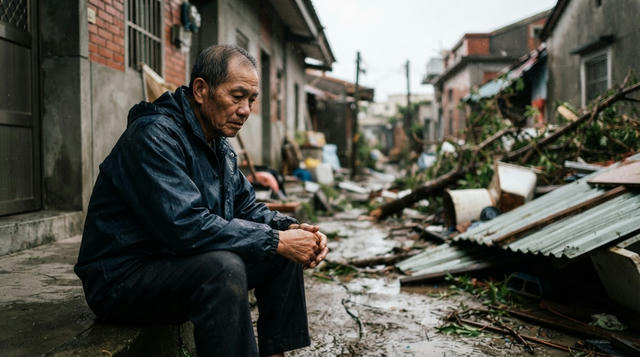
Devastating Rainstorms Unleash Havoc Across Chile, Leaving 13 Dead, Seven Missing
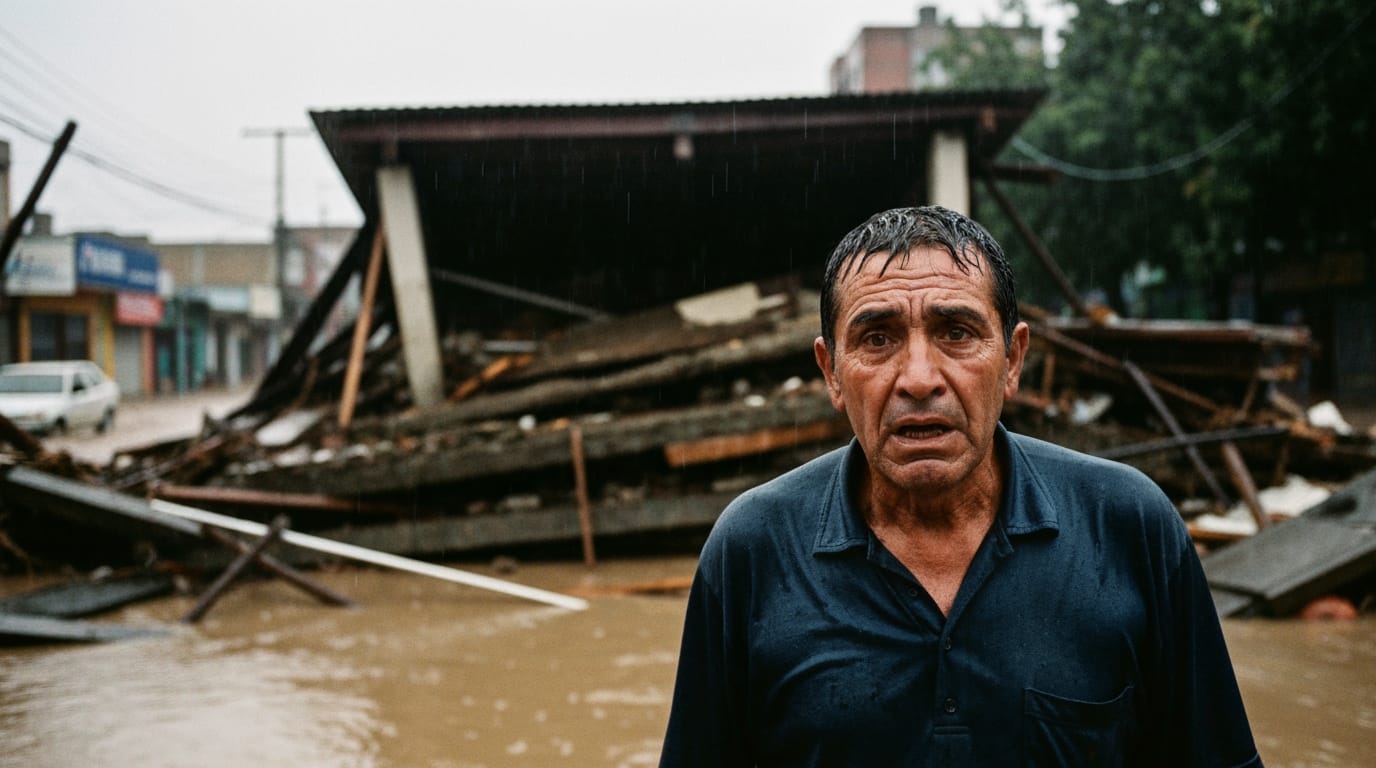
SANTIAGO, Chile – Unprecedented torrential rainstorms have battered vast swathes of Chile since last week, claiming at least 13 lives and leaving seven individuals missing, as authorities grapple with widespread destruction and a mounting humanitarian crisis. The severe weather, driven by an atmospheric river and the El Niño phenomenon, has prompted President Jose Antonio Kast to declare a state of emergency across multiple regions, particularly impacting the normally arid northern territories of Coquimbo and Atacama, where rainfall totals have shattered historical records. Thousands remain isolated, critical infrastructure has crumbled, and the nation faces a daunting recovery effort from what officials describe as one of the country's worst weather disasters in decades.
Escalating Crisis and Swift Government Action
The death toll has steadily climbed since the storms began on July 15, with initial reports of 10 fatalities and four missing rapidly escalating. By July 22, Chile's National Service for Disaster Prevention and Response (SENAPRED) confirmed 13 deaths and seven missing persons, underscoring the severe and ongoing threat posed by the deluge. The fatalities include a worker clearing a road, a person who fell while cleaning a roof, and another who suffered an electric shock. In response to the "increasingly serious" conditions, President Kast declared a state of catastrophe in the affected areas on Monday, a measure that enables the government to deploy military personnel, restrict freedom of movement, and expedite aid mobilization. Military forces have been actively involved in search and rescue operations, establishing emergency supply corridors to reach cut-off communities.
The government has also signaled its intent to initiate disciplinary proceedings against electricity distribution companies for sustained power outages that have left tens of thousands without service. Alicia Cebrian, director of SENAPRED, highlighted the persistent danger from weakened waterways and the continued risk of rising water levels, even as rainfall begins to subside in some areas. School activities have been suspended across numerous municipalities to ensure public safety.
Widespread Devastation and Crippled Infrastructure
The relentless downpours have inflicted extensive damage across a wide geographical area, from the country's central region down to the south, but with particularly devastating effects on the northern arid zones. Over 2,800 homes have been destroyed, and thousands more have sustained major damage, with official figures indicating that as many as 23,470 homes have been either destroyed, damaged, or are currently under evaluation. This housing crisis has led to the displacement of at least 2,281 people, with over a thousand seeking refuge in emergency shelters.
The storms have isolated more than 100,000 residents, particularly in the Atacama and Coquimbo regions, as swollen rivers have overflowed their banks, blocking roads and washing away vital infrastructure. Mudslides and power cuts have further exacerbated the situation, disrupting drinking water supplies in communities like Coquimbo. Electricity outages have been widespread, with figures ranging from 87,000 to 138,000 people without power. A community leader in Coquimbo, Patricia Albornoz, expressed the shock felt by many residents, stating, "I'm 57 years old and I had never seen an emergency like this. The most shocking thing was seeing how the rivers and ravines overflowed." While major copper mining operations in the far north have largely avoided significant direct impacts, the storm has caused localized disruptions and raised concerns about potential long-term effects on the industry, which is a cornerstone of the Chilean economy.
Meteorological Anomaly and Climate Context
Meteorological experts have characterized this event as "abnormal and extreme rainfall," a phenomenon "unprecedented in recent memory" for Chile. Arnaldo Zuniga of the national meteorological service noted that the country has not experienced such an extensive and prolonged storm in two decades. The unusual intensity and geographical scale of the frontal system are largely attributed to the return of El Niño, a powerful naturally occurring phenomenon in the Pacific Ocean that influences global weather patterns, coupled with an "atmospheric river" – a long, narrow band of very moist air capable of dumping immense amounts of water over several days.
In some areas of Coquimbo, rainfall has exceeded 200 millimeters (8 inches), with single-hour totals matching what these typically desert regions receive in an entire month. For instance, Combarbalá in the Coquimbo Region recorded 150.8 mm (5.9 inches) by July 18, and La Florida station in La Serena accumulated 177 mm (7 inches) during 2026, significantly higher than its 1991–2020 normal-to-date value of 56.4 mm (2.2 inches). Deputy Interior Minister Maximo Pavez remarked that "what normally rains in a month fell in an hour" on Sunday. This extreme precipitation follows nearly 16 years of severe drought across Chile, making the parched landscapes highly vulnerable to rapid runoff and flooding.
A Long Road to Recovery and Future Resilience
The immediate aftermath of the storm will focus on search and rescue efforts, providing aid to isolated communities, and restoring basic services like electricity and drinking water. The sheer scale of destruction to homes and infrastructure suggests a prolonged and costly recovery period for the affected regions.
This catastrophic event serves as a stark reminder of Chile's inherent vulnerability to natural hazards, exacerbated by changing climate patterns. While Chile has made strides in building resilience against earthquakes and tsunamis, the recent floods highlight the urgent need to adapt to new and intensifying hazards related to climate change, particularly regarding water management and infrastructure resilience. As the country begins to assess the full extent of the damage, the focus will inevitably shift towards developing more robust strategies to protect its communities and critical systems from increasingly frequent and severe weather events in the future.