Devastation on the Noto Peninsula: A Year After Japan's Powerful New Year's Day Quake
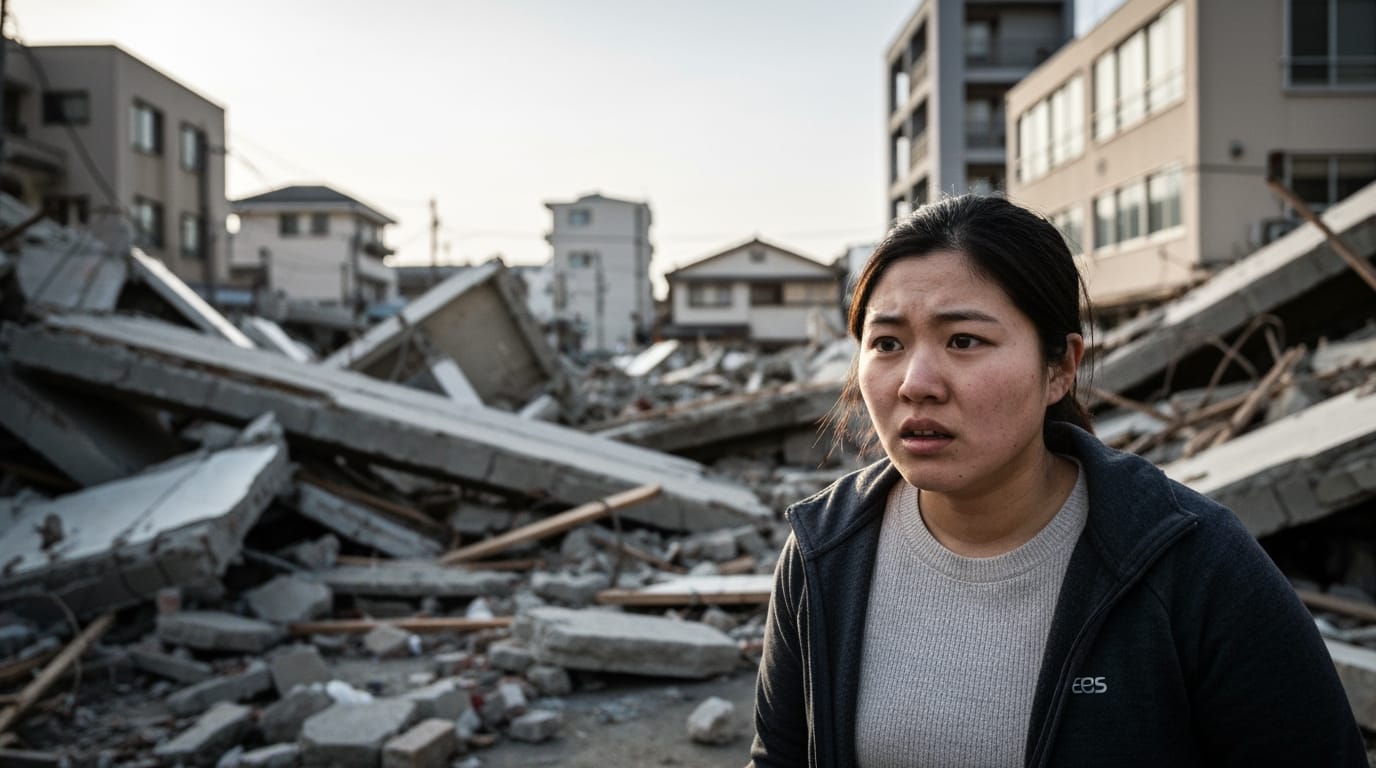
Wajima, Japan – The Noto Peninsula in Ishikawa Prefecture, a region once known for its rugged beauty and traditional charm, continues its arduous journey towards recovery, nearly a year after a powerful 7.6 magnitude earthquake struck on New Year's Day 2024. The catastrophic tremor, which triggered tsunami warnings and widespread destruction, has left an indelible mark on the landscape and its communities, claiming hundreds of lives and displacing thousands more.
The Earth Trembles: A Catastrophic Start to the New Year
At 4:10 p.m. local time on January 1, 2024, a major earthquake, officially named the 2024 Noto Peninsula Earthquake, jolted Japan's west coast. The Japan Meteorological Agency (JMA) registered the quake at a magnitude of 7.6 (Mw 7.5), with its epicenter located just 6 kilometers north-northeast of Suzu on the Noto Peninsula, at a shallow depth of 10 kilometers. The intense shaking, reaching a maximum JMA seismic intensity of Shindo 7, was felt across wide areas, triggering a series of cascading hazards.
Immediately following the main shock, tsunami warnings were issued for a vast stretch of Japan's western coastline, extending from Hokkaido to Nagasaki prefectures. A major tsunami warning, the first since the devastating 2011 Tohoku earthquake, was initially declared for Ishikawa Prefecture. While this was later downgraded, waves as high as 1.2 meters were observed near Wajima, and field investigations reported tsunamis reaching nearly 4.2 meters high near Akasaki port, inundating approximately 370 hectares of land on the peninsula's northern coast. The primary earthquake was preceded by a magnitude 5.8 foreshock and followed by a magnitude 6.2 aftershock within minutes, marking the beginning of over 1,200 aftershocks recorded across a 100-kilometer zone, part of an ongoing seismic swarm in the region since late 2020.
A Heavy Human Toll and Widespread Devastation
The human cost of the Noto Peninsula earthquake has been profound. As of recent comprehensive reports, the confirmed death toll has reached 691, with two individuals still missing. Among the fatalities, 228 were directly caused by the earthquake, such as from collapsed buildings or tsunamis, while a significant 463 were "disaster-related deaths" – indirect casualties resulting from factors like stress, illness, and isolation in the aftermath. Earlier reports cited fluctuating death tolls, illustrating the evolving nature of the disaster assessment. Over 1,400 people sustained injuries across the affected prefectures.
The earthquake's destructive power left an estimated 204,903 structures damaged across nine prefectures, with 12,443 buildings in Ishikawa Prefecture alone experiencing significant damage. Key towns on the Noto Peninsula, including Wajima, Suzu, Anamizu, and Noto, bore the brunt of the destruction. Wajima City, in particular, suffered extensive damage, including a major fire that ravaged its historic morning market and surrounding residential areas.
Beyond structural damage, the earthquake severely disrupted essential services. Tens of thousands of homes in Ishikawa and Toyama prefectures lost power, and widespread water outages affected approximately 60,000 households across 14 cities in Ishikawa. Transportation infrastructure was crippled, with roads blocked by landslides and structural failures, severely hindering rescue and relief efforts. The Noto Airport also sustained damage to its runway, suspending all flights. Furthermore, the geological impact was dramatic, with significant ground deformation, liquefaction, and an unprecedented coastal uplift that extended the coastline by up to 250 meters in some areas.
Emergency Response and Lingering Challenges
In the immediate aftermath, Japan mounted a massive emergency response. The Self-Defense Forces, police, and fire departments were swiftly mobilized for search and rescue operations. Despite these efforts, damaged roads and difficult terrain posed significant challenges, particularly in reaching the northern tip of the Noto Peninsula, where many individuals were trapped. Humanitarian organizations, including AAR Japan and the Buddhist Tzu Chi Foundation, provided crucial aid such as food, non-food items, and medical support to evacuees. The Japanese Red Cross Society also played a vital role, dispatching emergency medical relief teams and coordinating efforts in the affected areas.
However, the road to recovery has been fraught with difficulties. Beyond the immediate physical damage, communities on the Noto Peninsula have grappled with profound social and psychological challenges. The isolation of displaced residents in temporary shelters has led to concerns about mental health, with "disaster-related deaths" highlighting the silent epidemic of stress and loneliness. Sanitary conditions in some shelters were initially poor, raising fears of infectious diseases. Moreover, the region's aging population and ongoing depopulation have exacerbated vulnerabilities, making recovery efforts more complex. The lower earthquake resistance of houses in Suzu and Wajima, significantly below the national average, also contributed to the extent of the destruction. Persistent aftershocks and heavy rainfall have continued to threaten the area, triggering new landslides and further impeding reconstruction.
The Long Road to Reconstruction and Building Resilience
A year since the devastating quake, the Noto Peninsula is still in the midst of a prolonged and complex reconstruction phase. While the number of evacuees, which peaked at approximately 34,000, has significantly decreased, thousands still reside in temporary housing units. By December 2024, 6,882 temporary housing units had been completed, yet the goal for all displaced populations to return home by 2028 faces significant hurdles. The demolition of damaged buildings is progressing slowly, with only about 40% of the expected 13,547 public-funded demolitions completed by late 2024.
The economic impact has been substantial, with estimated losses reaching USD 10 billion. Many local businesses, integral to the region's identity and economy, struggle to resume operations, contributing to concerns about cultural erosion as traditional crafts and community gatherings are disrupted. Initiatives focusing on community programs and cultural preservation are now seen as crucial alongside physical reconstruction efforts.
The Noto Peninsula earthquake serves as a poignant reminder of Japan's vulnerability to natural disasters, even with its advanced preparedness systems. While Japan's experience with earthquakes has led to robust emergency transport routes and response protocols, the Noto event highlighted specific challenges, such as the need for tailored countermeasures in geographically isolated and aging communities. The ongoing recovery efforts emphasize not only the physical rebuilding but also the critical importance of addressing the long-term mental health and social well-being of those affected. The resilience of the Noto Peninsula's residents is continually tested, but the collective efforts towards reconstruction and the lessons learned are vital for fostering greater preparedness and humanitarian response in the face of future calamities.