DFB Outlines Expectations for Germany's New Government Amidst Football Challenges
Germany's football association, the DFB (Deutscher Fußball-Bund), is seeking strong support from the newly formed government to address critical issues facing the sport in the nation. Following recent federal elections that saw the center-right Christian Democratic Union/Christian Social Union (CDU/CSU) emerge as the leading party, the DFB has presented a list of expectations, hoping to ensure the continued success and social impact of German football. These expectations come at a time when German football is grappling with challenges on and off the field, including concerns about youth development, financial burdens on clubs, and maintaining competitiveness in the European landscape.
Addressing Financial Concerns and Competitive Disadvantages
One of the DFB's primary concerns revolves around the financial stability of its member clubs, particularly those in the 3rd division and regional leagues. A recent ruling by the Federal Constitutional Court concerning police costs at Bundesliga matches has sparked fears of a "competitive disadvantage for the football landscape in Germany." The court's decision implies that clubs could face substantial fees for police presence during high-risk games, potentially threatening the existence of smaller clubs and distorting competition due to economic repercussions. The DFB argues that football already contributes significantly to social cohesion and invests heavily in preventive security measures, making it unreasonable to bear additional costs for public safety.
The DFB, responsible for the 3rd division, amateur leagues, national matches, and DFB-Pokal (German Cup) games, emphasizes that the financial contributions of football to society are invaluable. The association, along with the DFL (German Football League), has been investing considerable resources in preventive and security measures for many years. They maintain that it is unfair for football to bear the additional costs for public safety, over which it has no influence.
Youth Development and Talent Promotion
Another key area of focus for the DFB is the development of young talent. While Germany's youth development system underwent a major overhaul in the early 2000s, recent criticisms suggest that the system has become too focused on early scouting and selection, leading to a narrowing of the talent pool. The DFB is keen to work with the new government to ensure that youth academies and development centers effectively prepare players for the demands of modern football, fostering creativity, motivation, and a winning mentality.
The DFB launched the project of youth performance centers (NLZ) as part of a talent development program in the 2002/2003 season. In July of the year before last, there were 57 such centers, which all Bundesliga and 2.Bundesliga clubs are obliged to establish, and third and regional league clubs can introduce voluntarily. The aim of the NLZs: to systematically prepare and promote talents and perspective players in a highly professional environment for professional football. However, German football talent development and the NLZ have failed to prepare players for the demands of modern football, motivate, promote, and challenge players, retain, integrate, and develop players, inspire, excite, and foster creativity in players, and make players winners, heroes, and legends.
Good Governance and Ethical Standards
The DFB is also committed to upholding good governance and ethical standards within football. The association has implemented a compliance management system with comprehensive regulations, including an Ethics Code, and established an ethics committee. The DFB seeks the government's support in fighting corruption and ensuring transparency in all aspects of the sport. This includes safeguarding the autonomy, pyramid structure, and specific characteristics of sport, strengthening its importance in society, maintaining fair competitions, ensuring legal certainty in competition law, protecting property rights of event organizers, and increasing EU funding for sports facilities and amateur sport.
International Competitiveness and EU Support
In the face of increasing competition from other European leagues, the DFB is advocating for greater consideration of the "specificity of sport" within EU policies. This includes safeguarding the autonomy and legal certainty of sport, ensuring fair competition, and promoting the social and economic benefits of football. The DFB believes that the EU should take greater account of the specificity of sport in line with article 165 TFEU when proposing new political or legislative measures.
Addressing Declining Performance and Public Disconnect
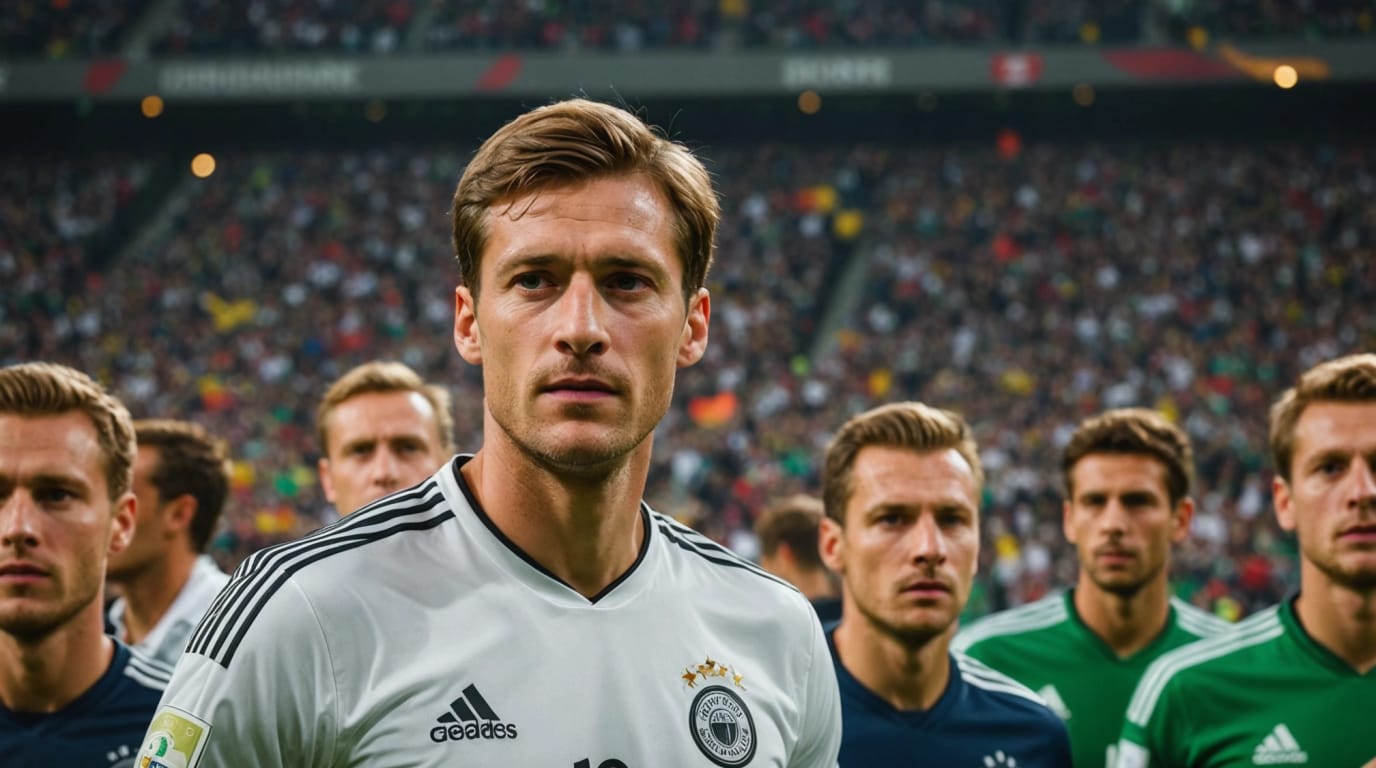
Germany's national team, a powerhouse in international football, has experienced a decline in recent years, with consecutive group-stage exits at the FIFA World Cup. This, coupled with scandals and controversies within the DFB, has led to a disconnect between the team and the public. The DFB is aware of these issues and is working to restore the team's performance and rebuild trust with fans. The DFB hopes to work with the new government to address these issues and reconnect with the German public.
A Call for Collaboration
The DFB's expectations for the new government reflect the complex challenges and opportunities facing German football. By addressing financial concerns, promoting youth development, upholding good governance, and advocating for the sport's interests at the European level, the DFB hopes to ensure a vibrant and successful future for German football. The association recognizes the importance of collaboration with the government and other stakeholders to achieve these goals and maintain Germany's position as a leading football nation.
The new government, under the likely leadership of Friedrich Merz, faces the task of forming a stable coalition and addressing pressing economic and social issues. The DFB's appeal adds another layer to the government's agenda, highlighting the significance of football as a cultural and economic force in Germany. As coalition negotiations unfold, the DFB will be closely watching to see how its concerns are addressed and what role the new government will play in shaping the future of German football.